TFL, Hamstring & Glute Extension
Advanced
Turnout
Share
 Advanced | Turnout
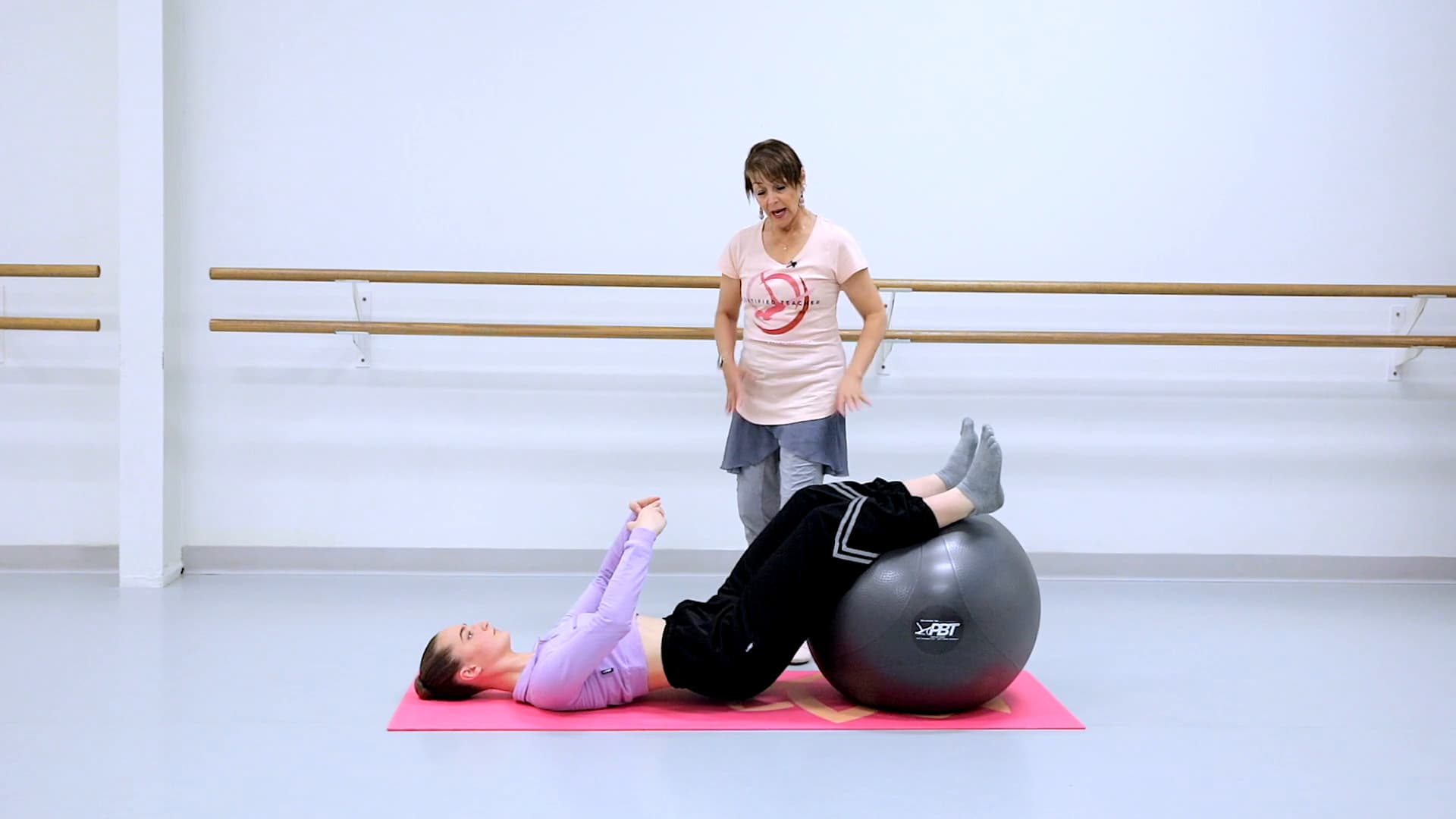
Bridge with Demi Plié
 Advanced | Turnout
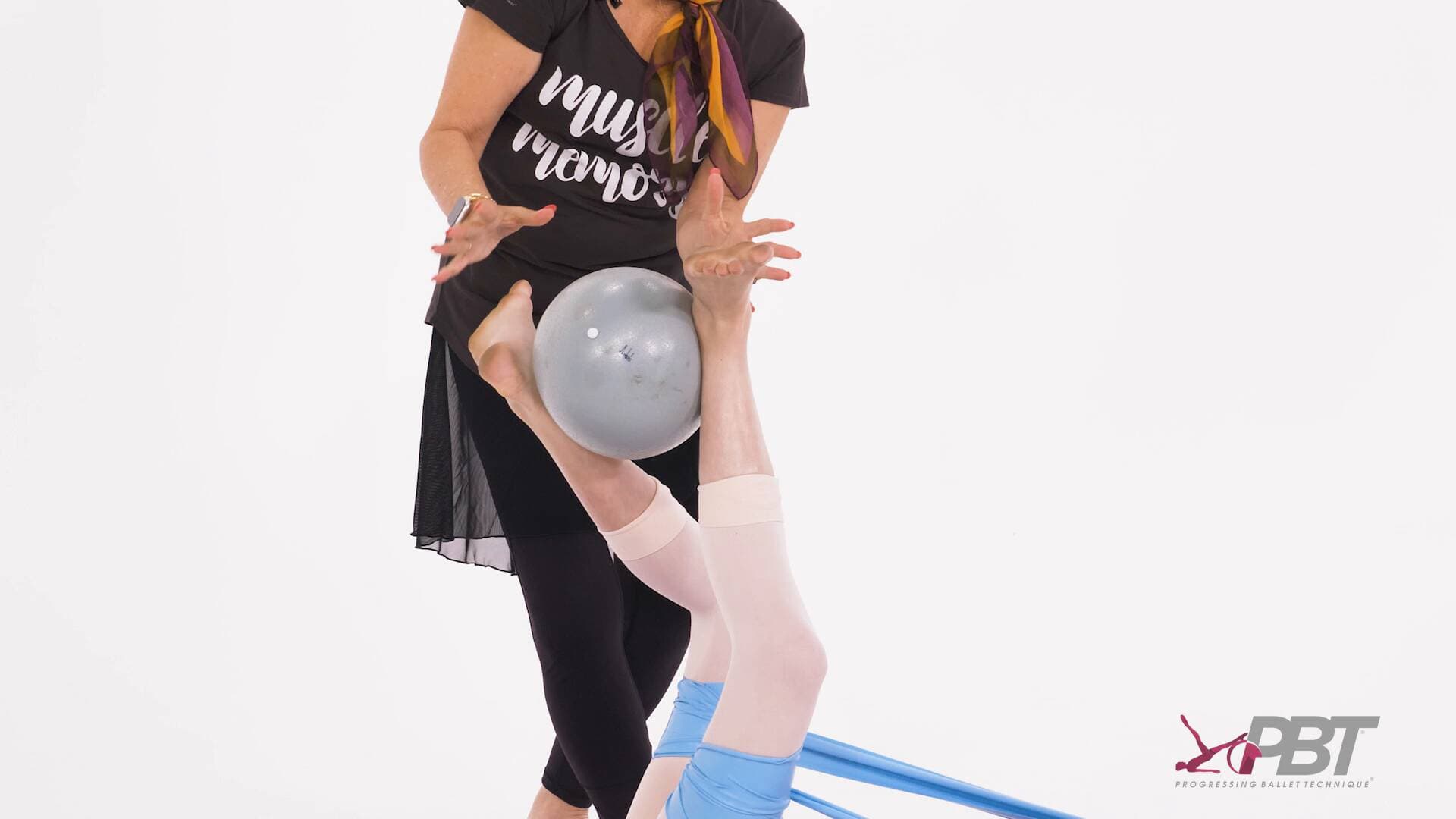
Passé with Bands
 Advanced | Turnout
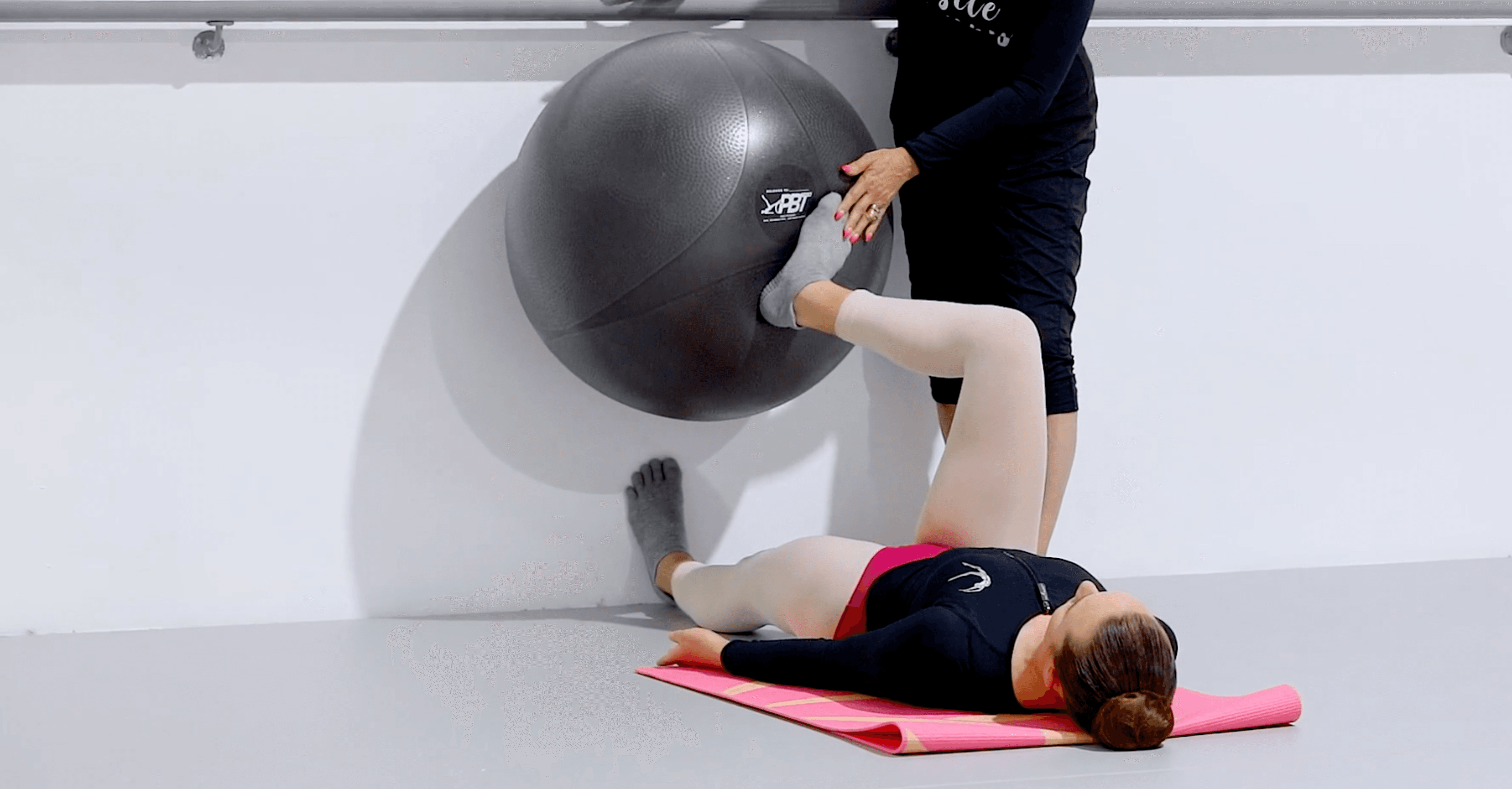
Rotation Presses
 Advanced | Turnout
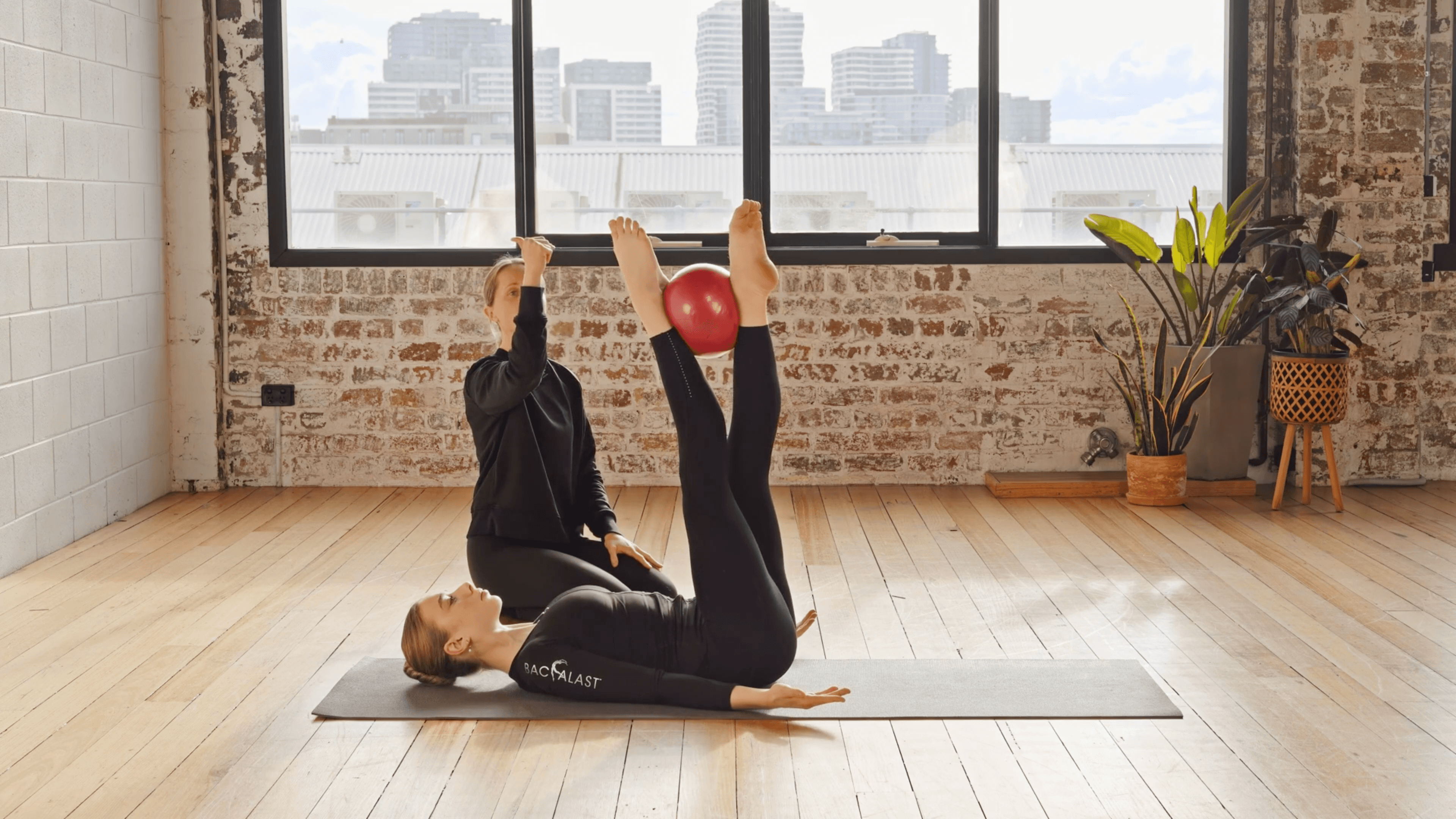
Clams and Twists
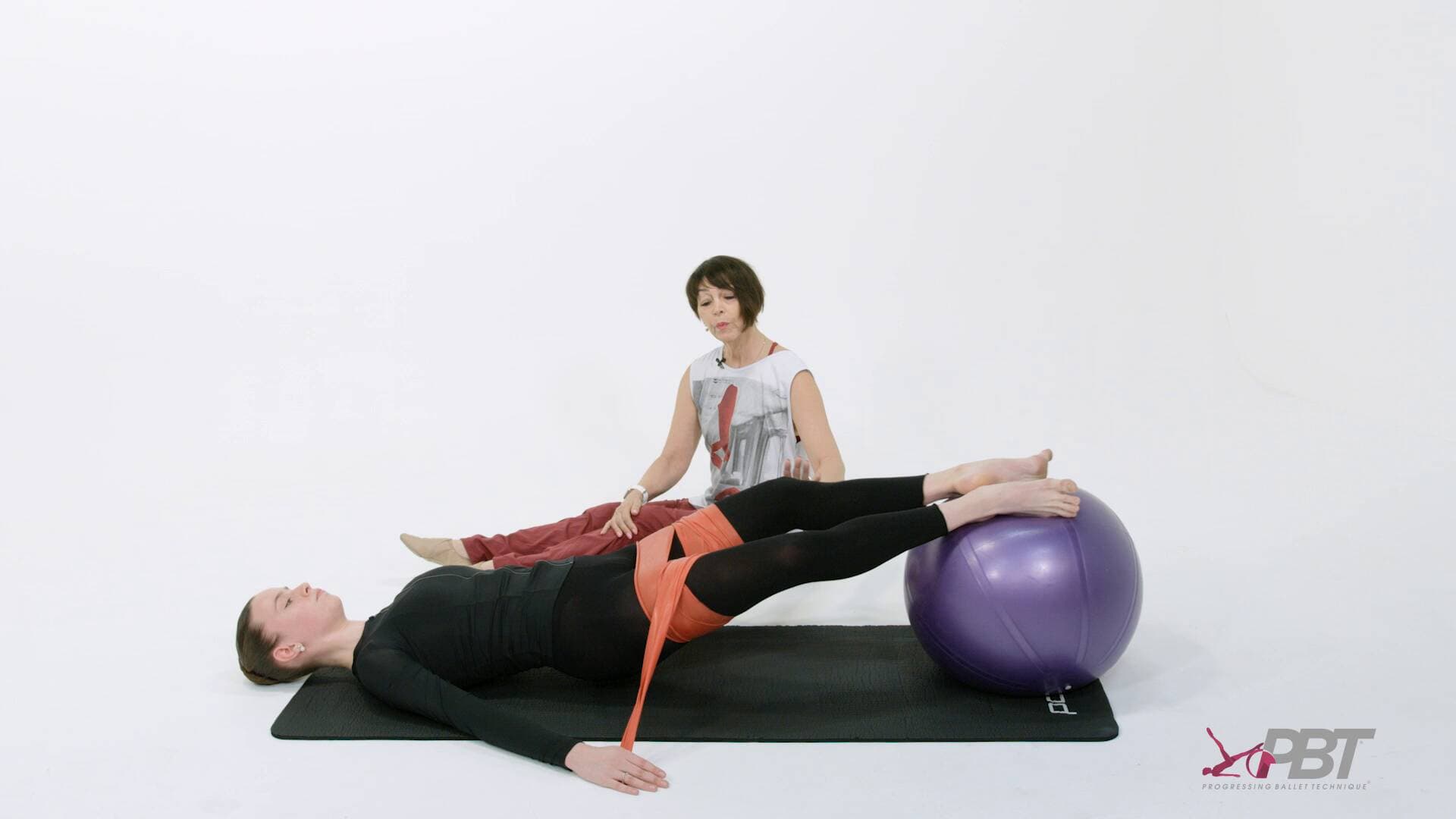 Advanced | Turnout
Wrapping in a Grand Plié
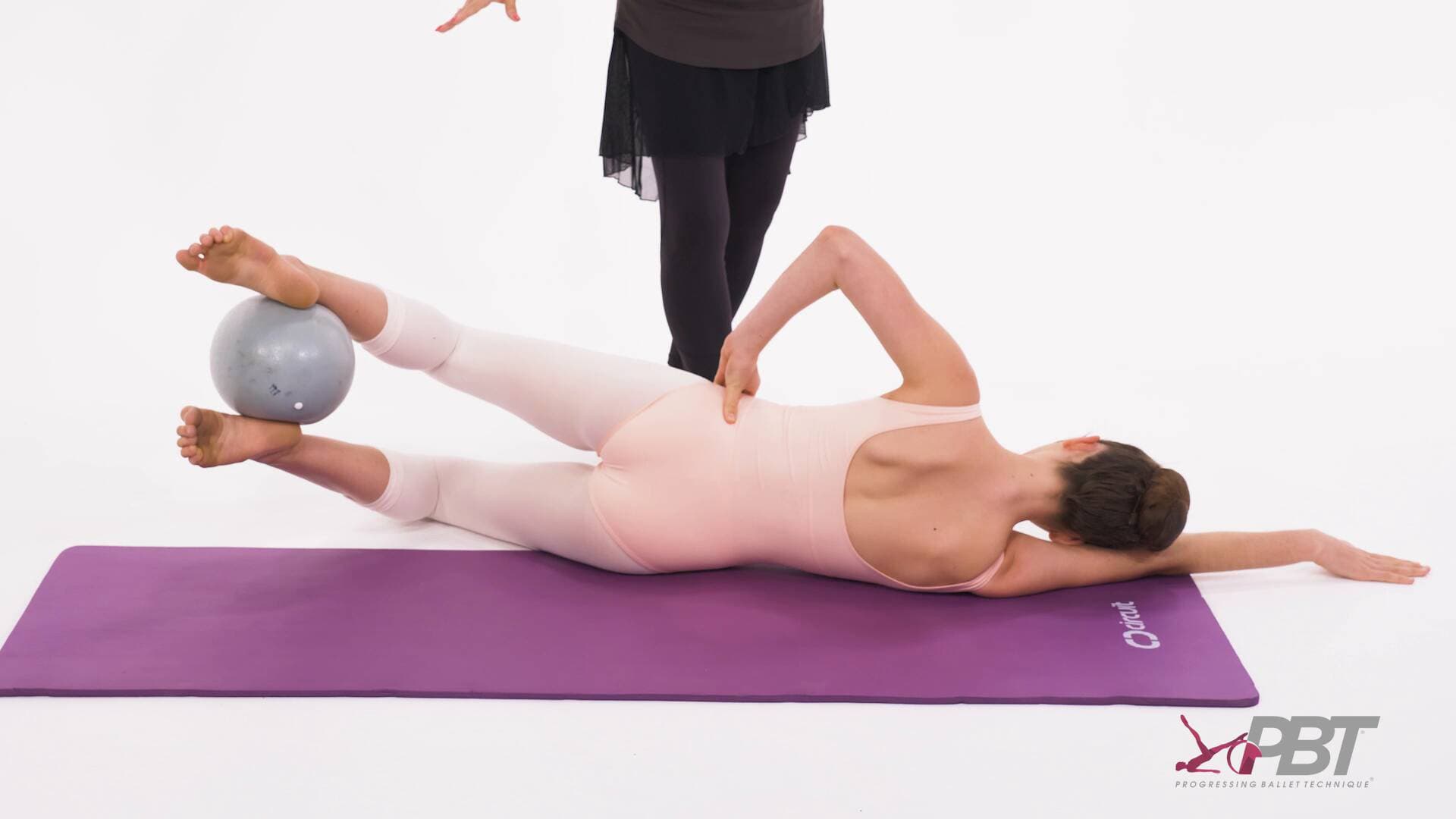 Advanced | Turnout
Clams with Core - Extension
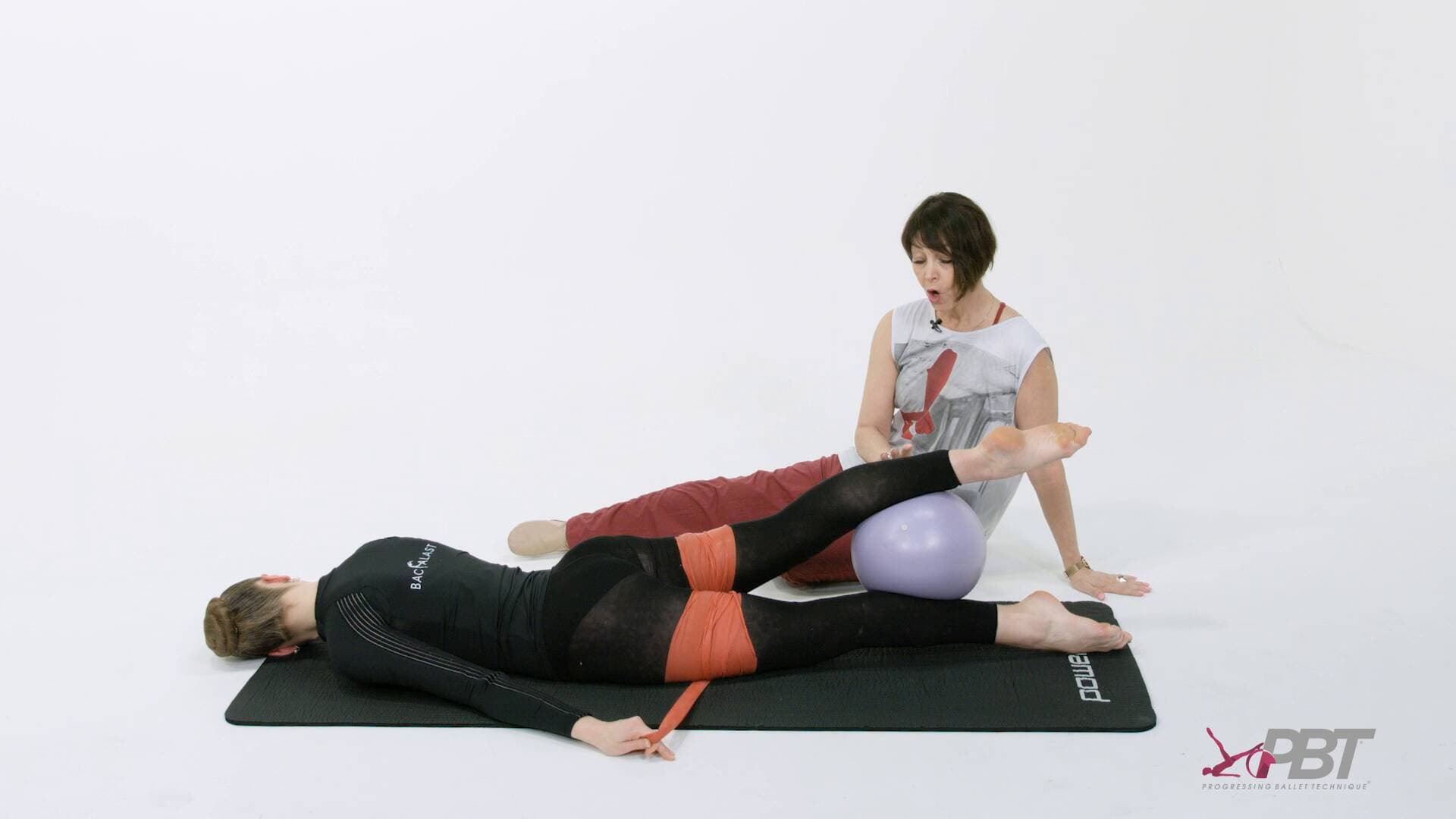 Advanced | Turnout
Scissors with bands
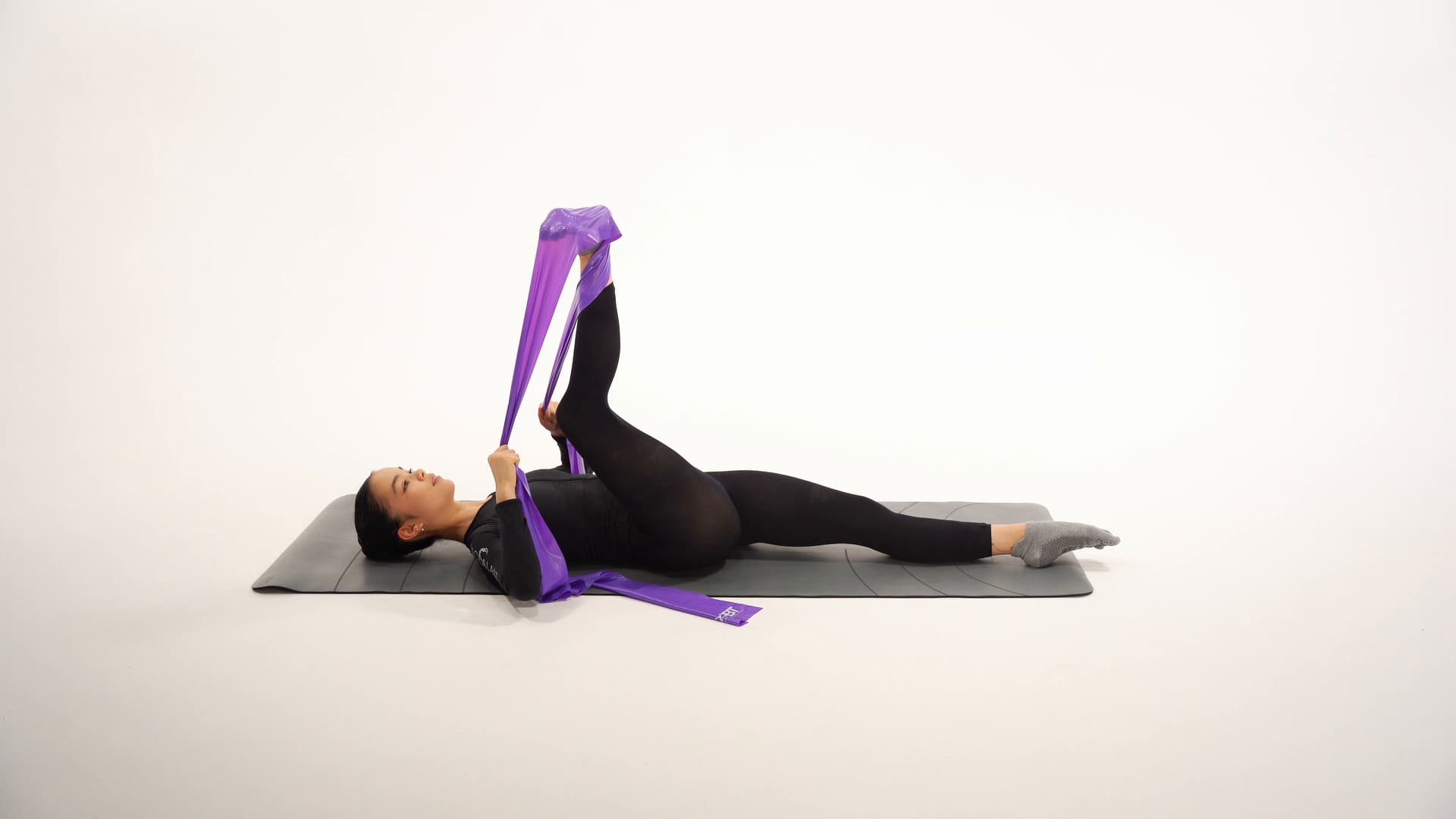 Advanced | Turnout
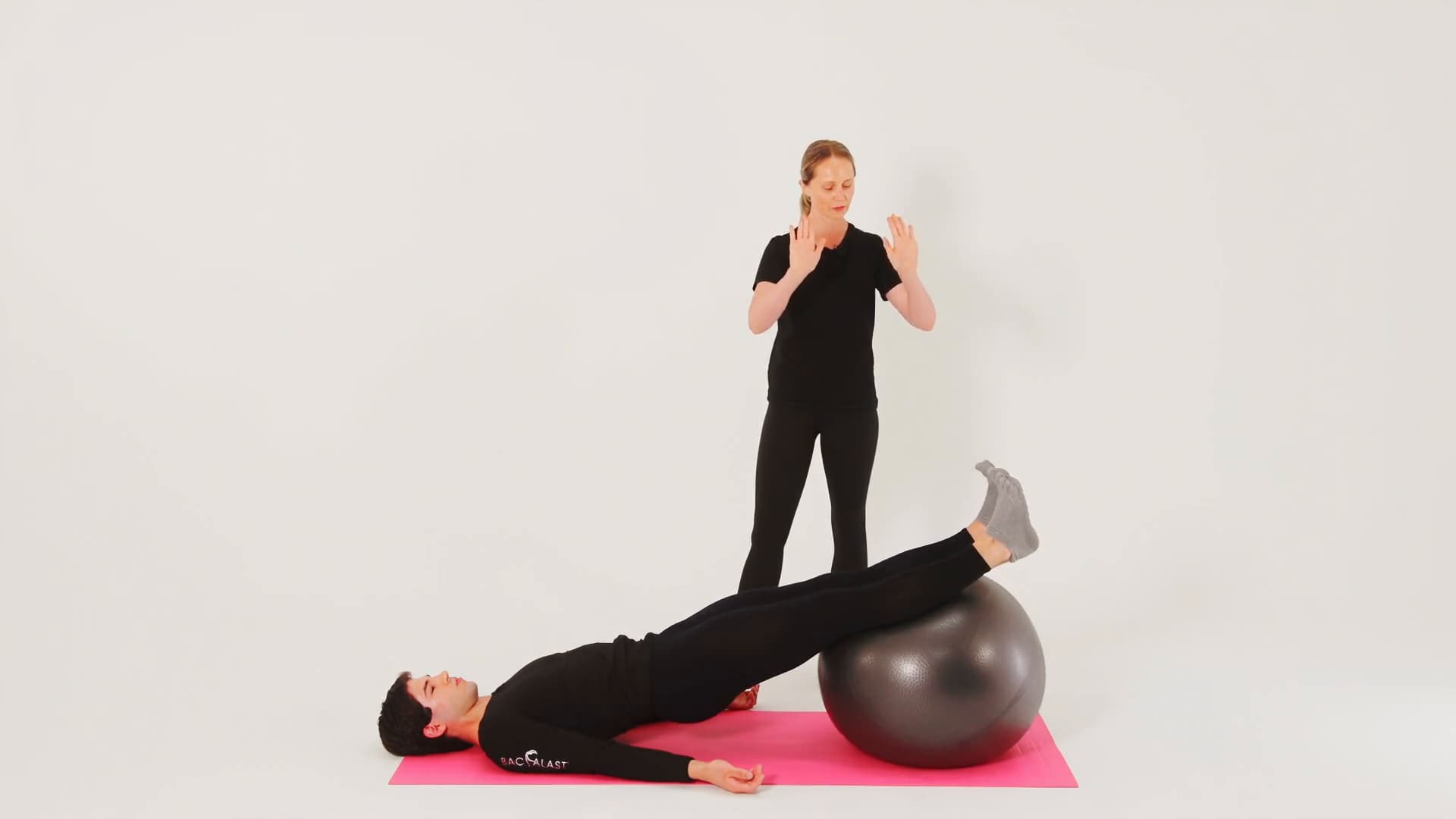
External Rotation with Bands
 Advanced | Turnout
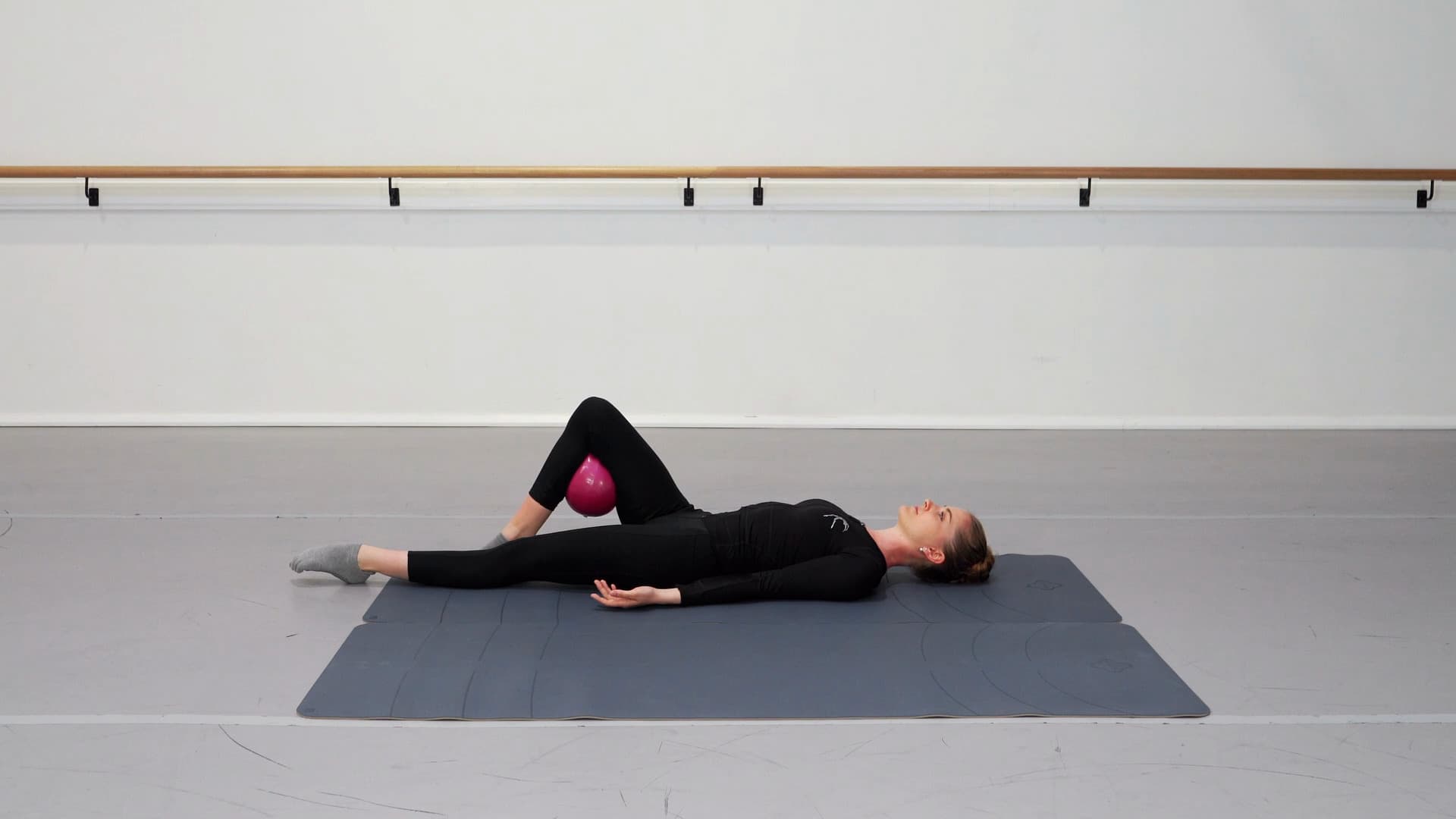
Deep Rotation
 Advanced | Turnout
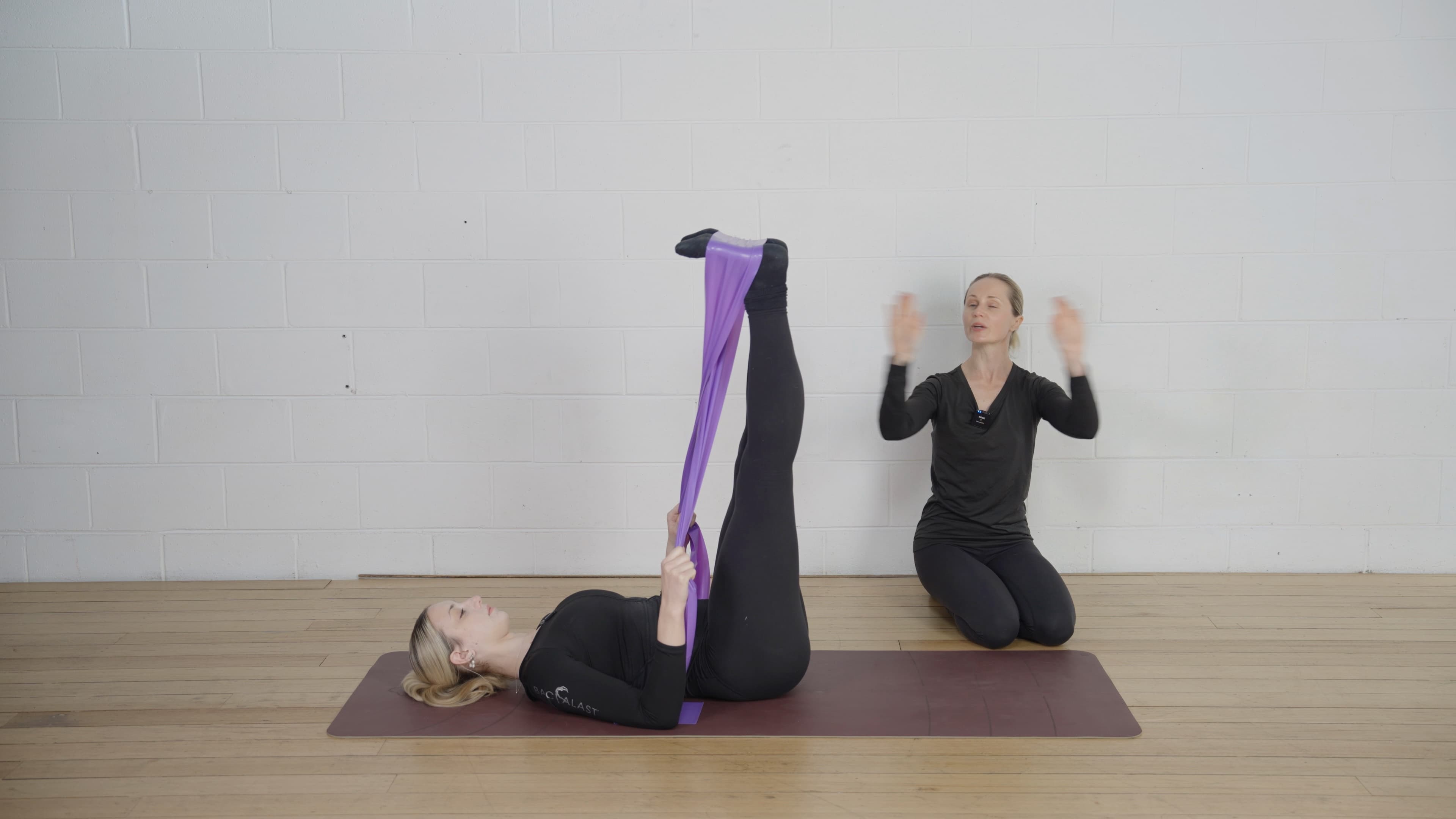
Controlled Hip & Glute Conditioning
 Advanced | Turnout
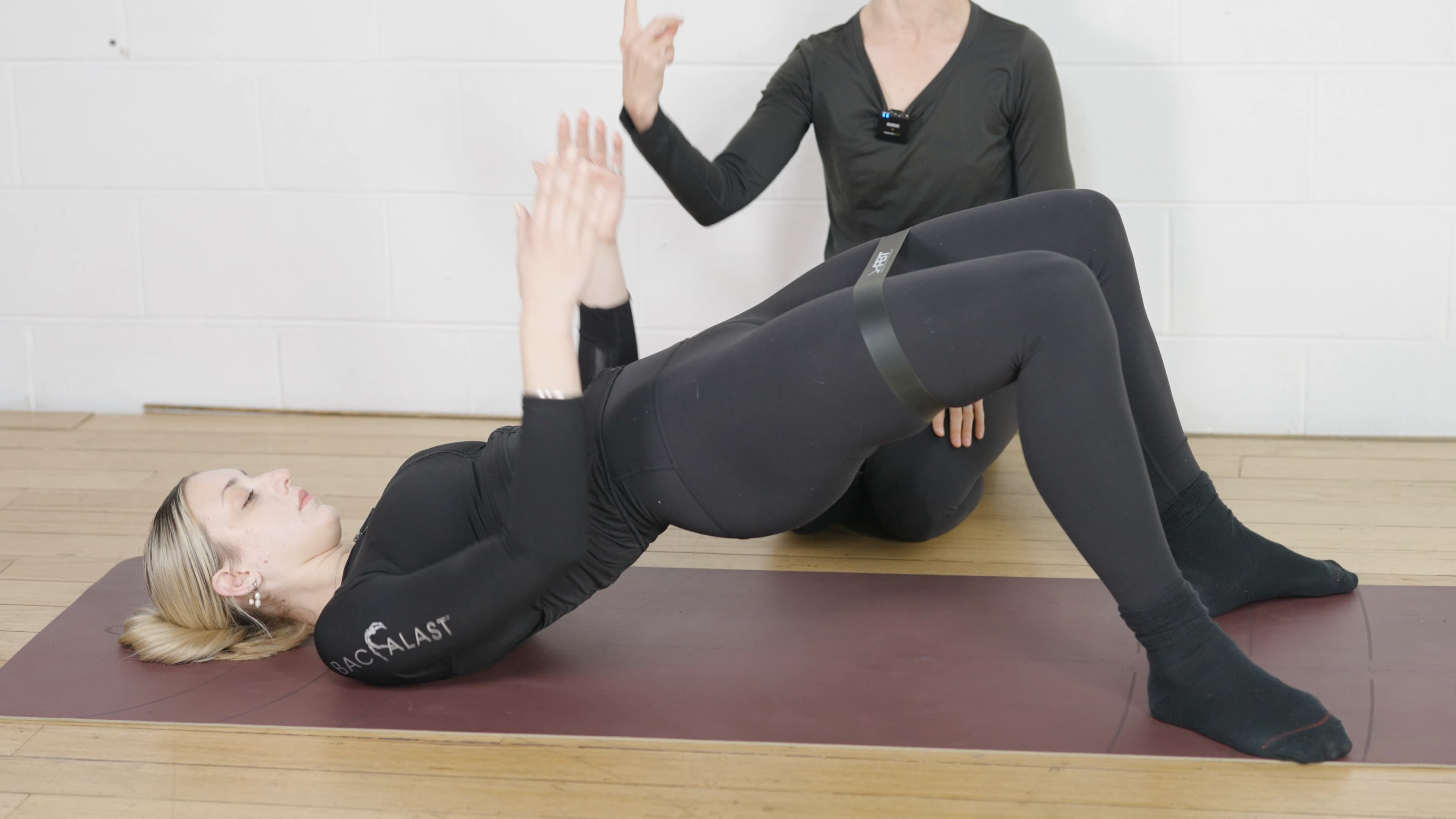
Turnout Resistance
 Advanced | Turnout
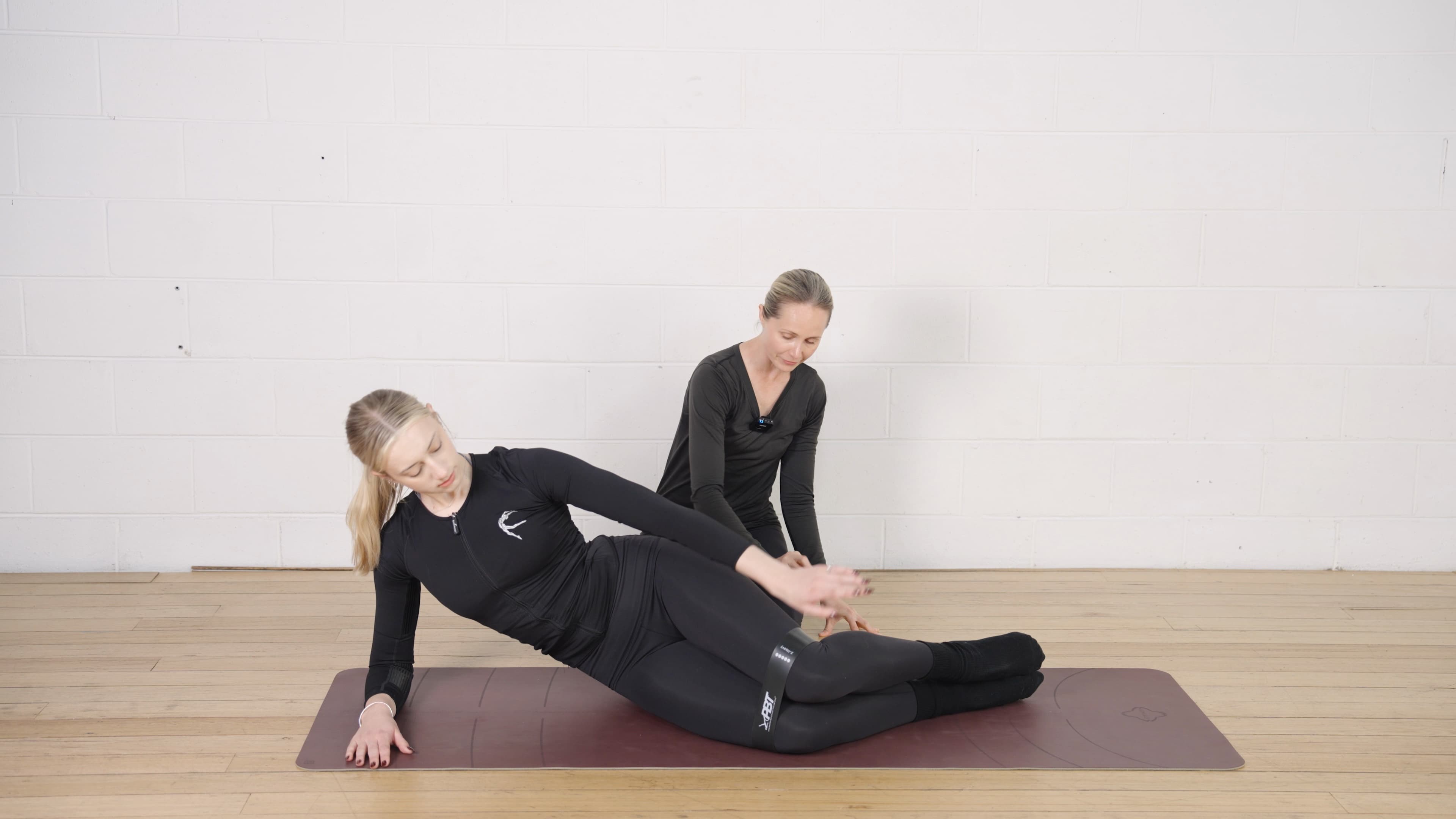
Building Turnout
 Advanced | Turnout
Core & Hip Warm-up
 Advanced | Turnout
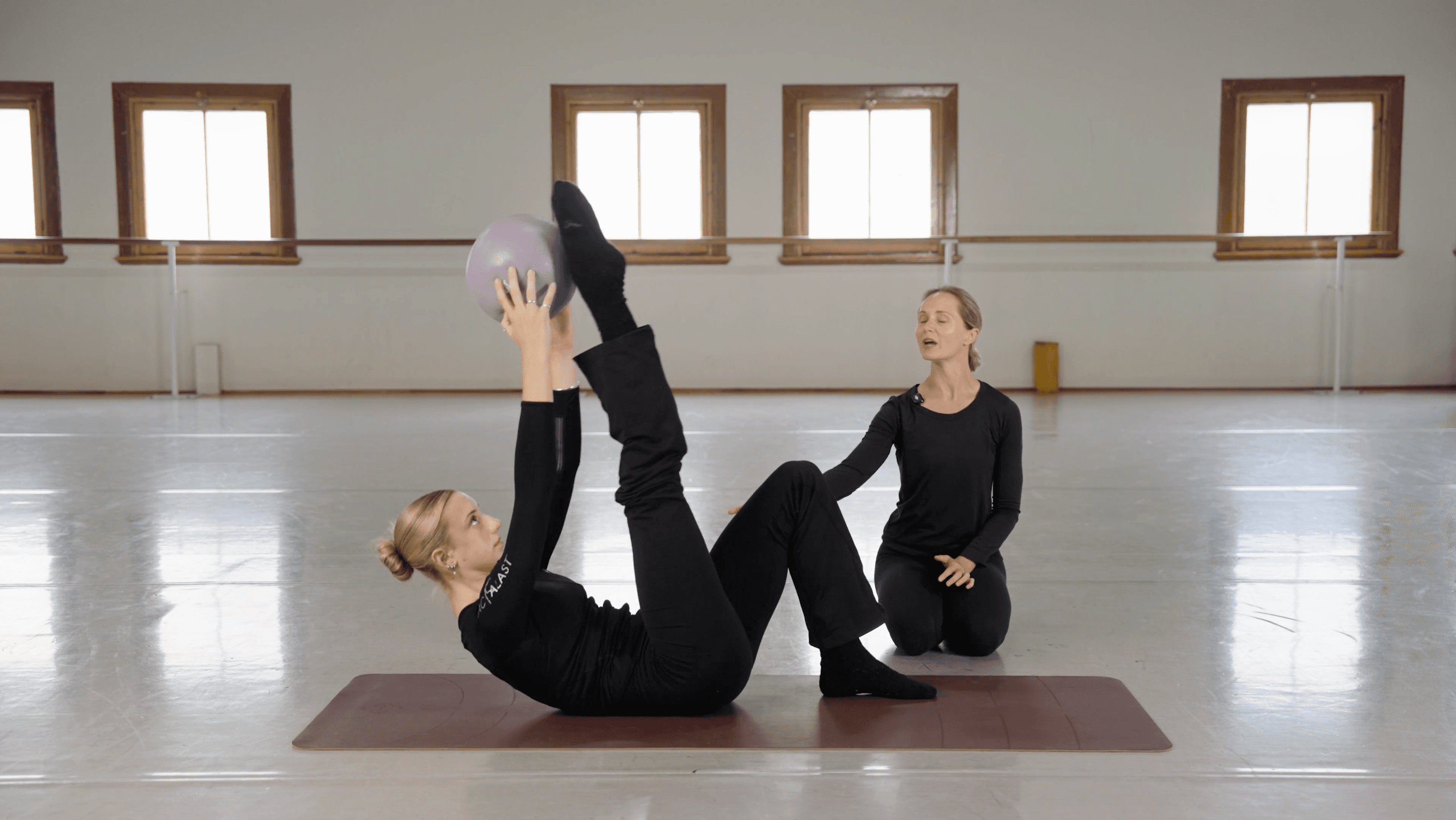
Building Turnout – Level 2
 Advanced | Turnout
Stability & Control
 Advanced | Turnout
Strengthening Turnout with Alignment
 Advanced | Turnout
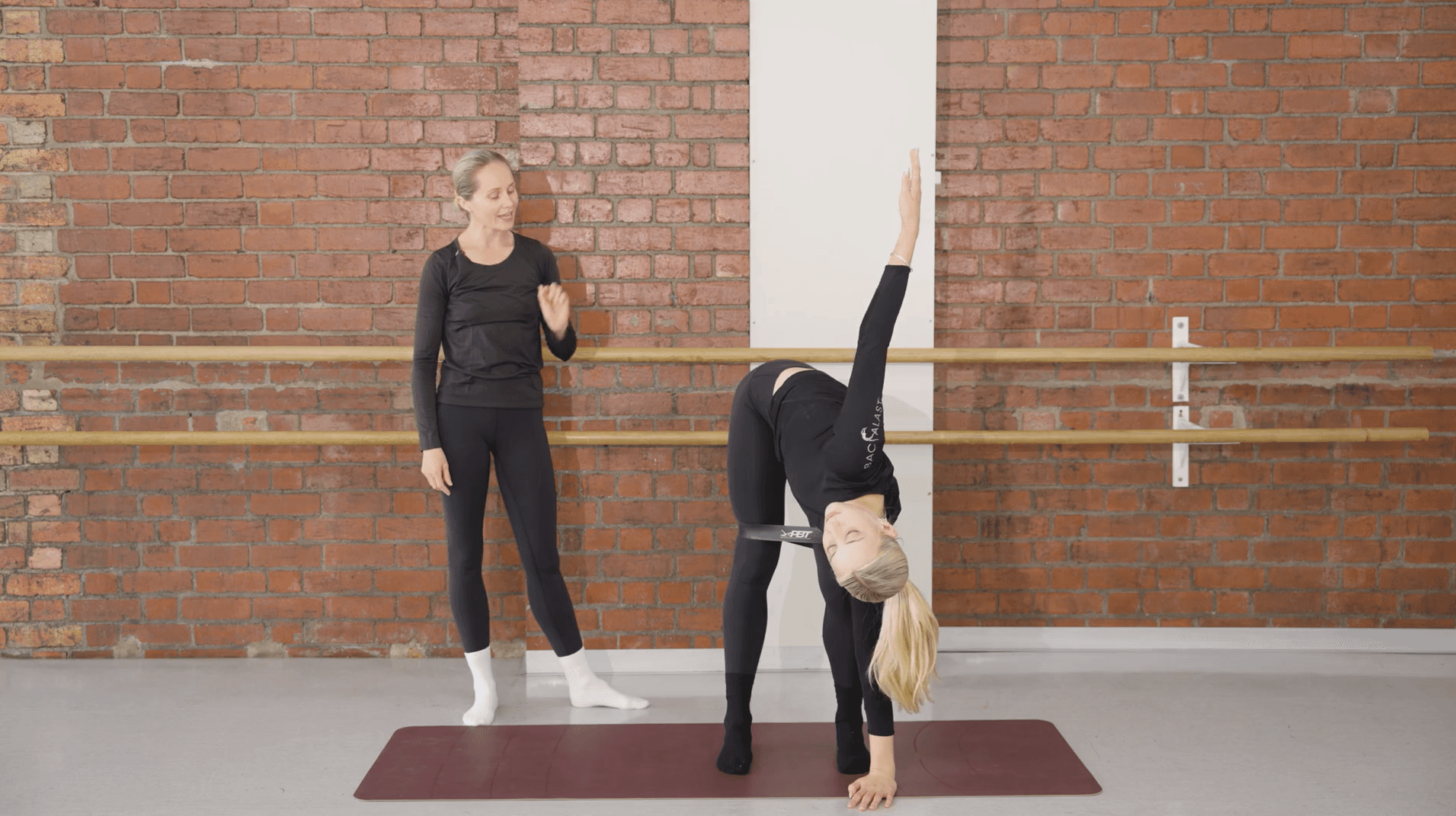
Internal & External Rotation
 Advanced | Turnout
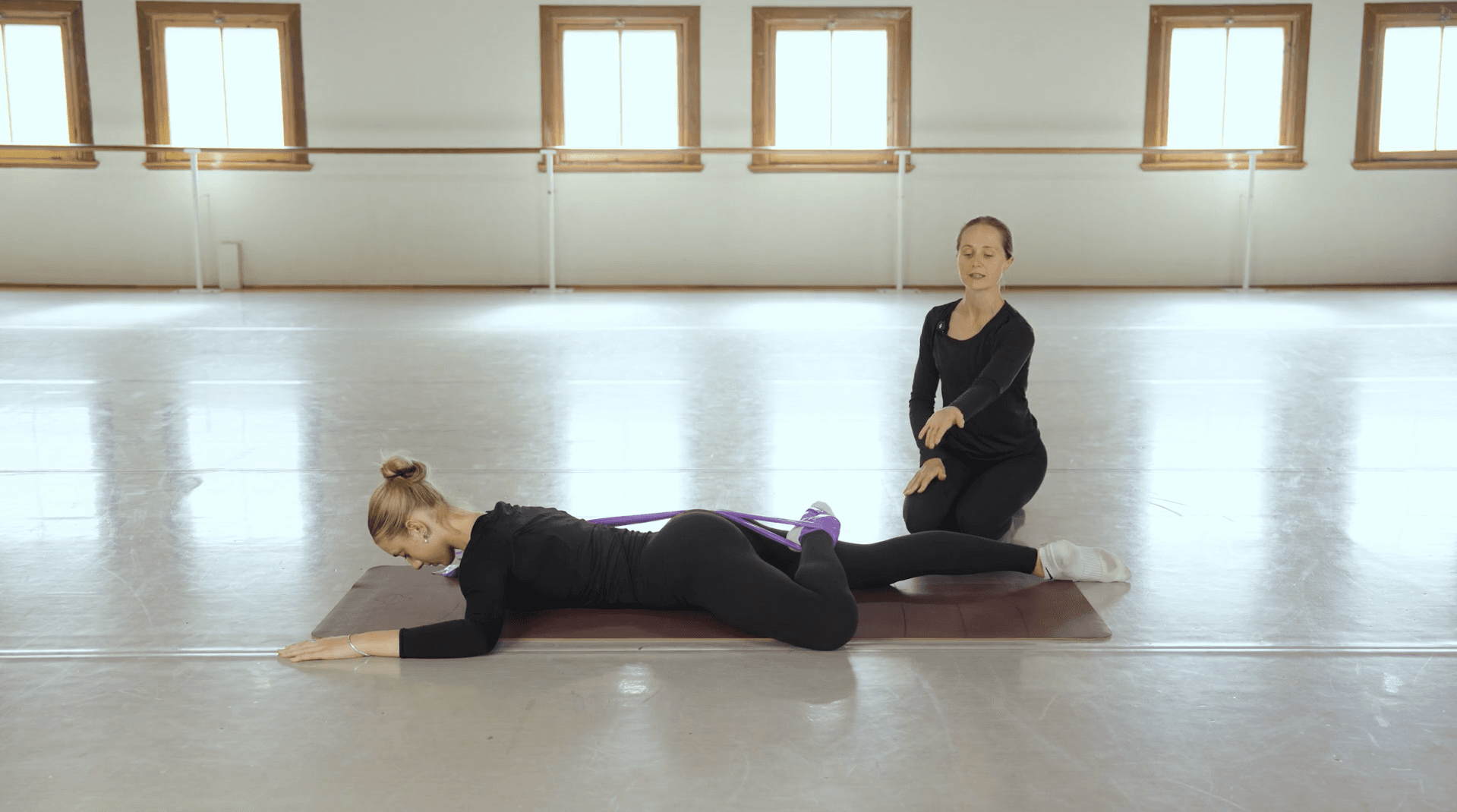
Powerful Legs
 Advanced | Turnout
Deep Rotators
 Advanced | Turnout
Strong Turnout
 Advanced | Turnout
Hip Opening with Rotation
Music Used
Lavende - Yakushima | Ballet Class App
Equipment Used

Fusion Ball
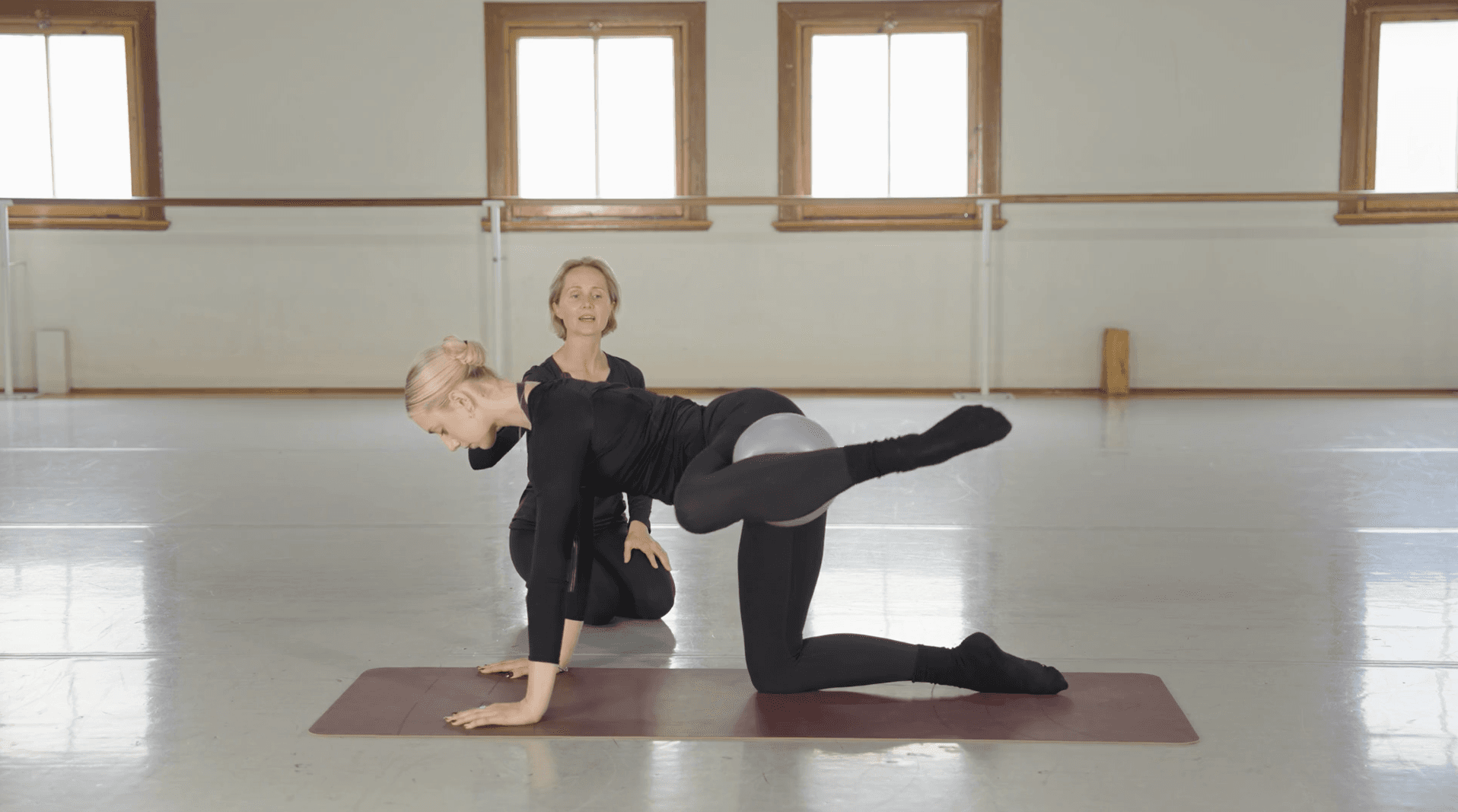
This exercise is designed to progress students to a level where there is a greater activation of the gluteus medius and minimus. These muscles work to stabilise the supporting leg and ensure the pelvis does not sink on the working side. This exercise is meticulously planned to reinforce the stability and strength required for ballet dancers, highlighting the importance of controlled movement and muscle engagement in maintaining proper ballet posture and technique.
Preparation:
Begin with students laying on their back, placing the fusion ball under the upper calf and hamstring area of one leg, with this leg raised into a tabletop position and the other leg bent, foot flat on the mat.
Steps:
1. Guide students through a series of 3 bridges with the working leg raised with the fusion ball tucked between the calf and their hamstring. Encouraging articulated spinal movement with each bridge movement.
2. Transition into a position into a 4-point position with the wrists underneath the shoulders, keeping the working leg hovering above the mat.
3. Instruct on raising the working leg in parallel, transitioning into attitude derrière, and incorporating upper body towards the floor with active triceps as the working leg is raised. Lower the working leg into the hover position and repeat. They finish by raising the opposite arm into arabesque line for balance testing.
4. Transition with a smooth roll back into the starting position. Repeat the entire exercise.
5. Repeat on the alternate side.
Focus:
Emphasise the importance of deep pelvic floor activation, maintaining shoulder alignment, and actively engaging triceps. Ensure students understand the significance of keeping their necks elongated and their focus towards the floor for balance.
Frequently asked questions
Comments and Questions
Sign up to our newsletter
Receive tips, news, and advice.

Copyright © 2025 Progressing Ballet Technique. All Rights Reserved