Weight Placement Check
Advanced
Weight Placement
Share
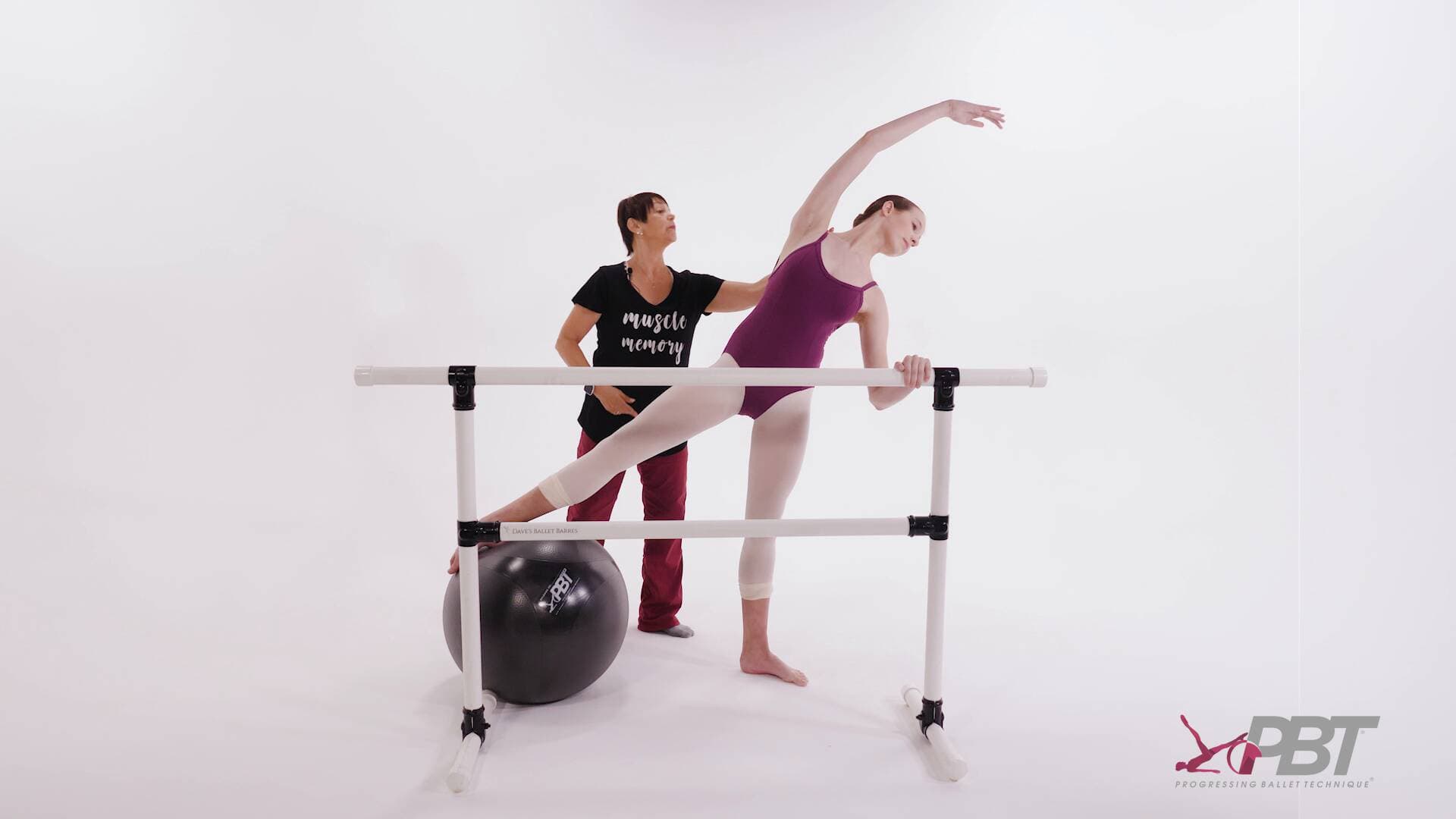 Advanced | Weight Placement
Value of the supporting leg
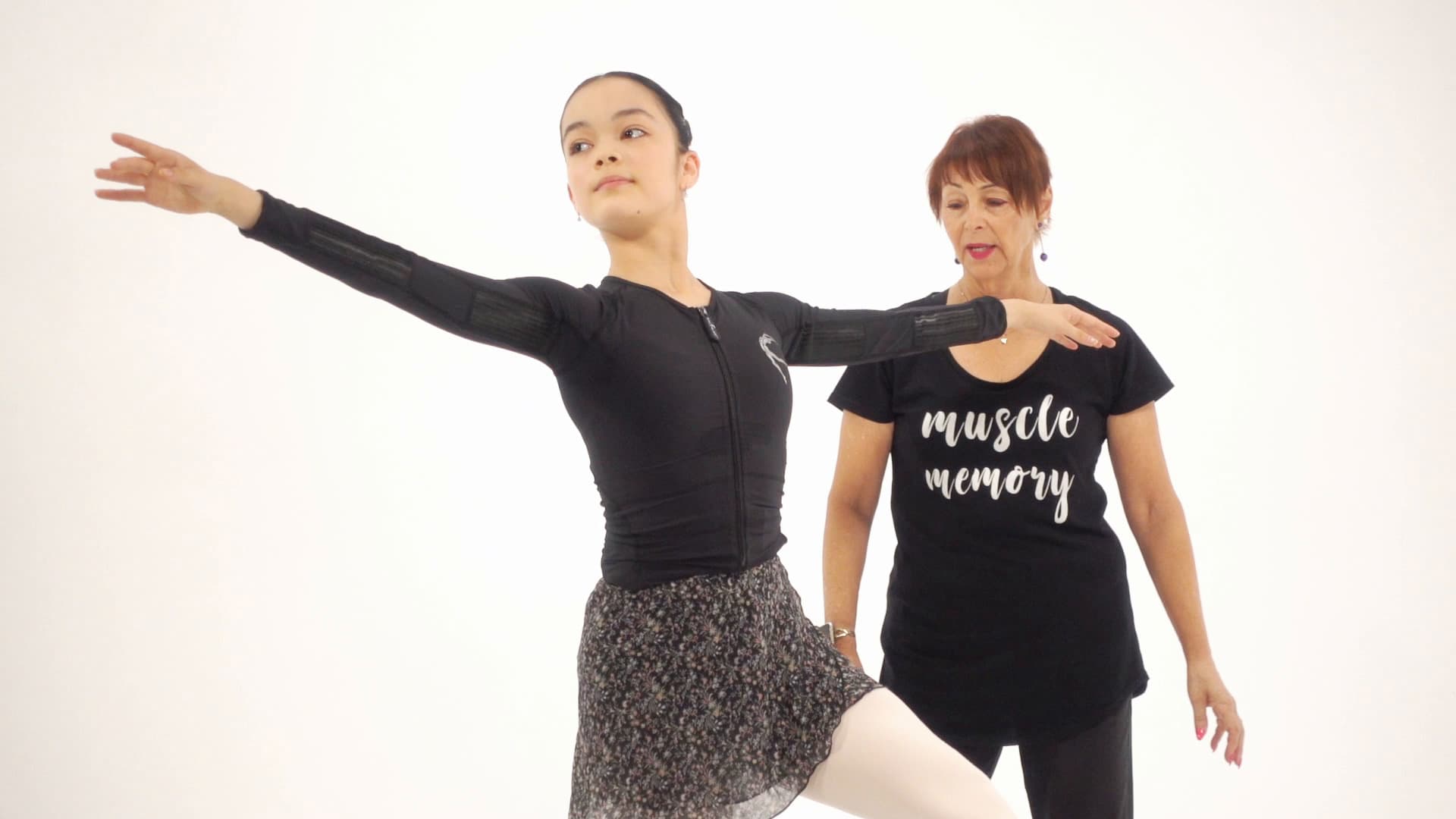 Advanced | Weight Placement
Balance with Control
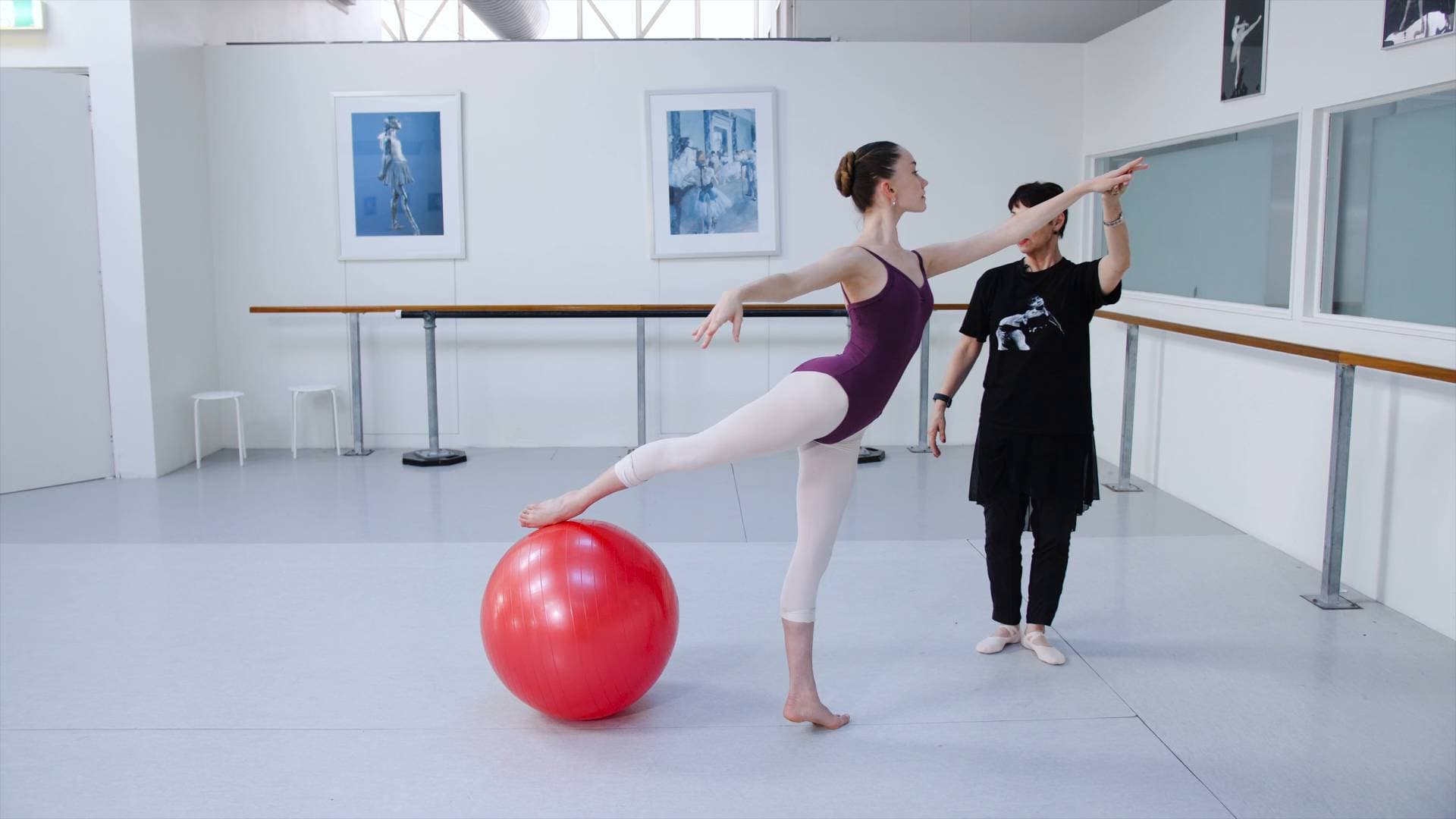 Advanced | Weight Placement
Alignment Extension
 Advanced | Weight Placement
Challenge Your Balance
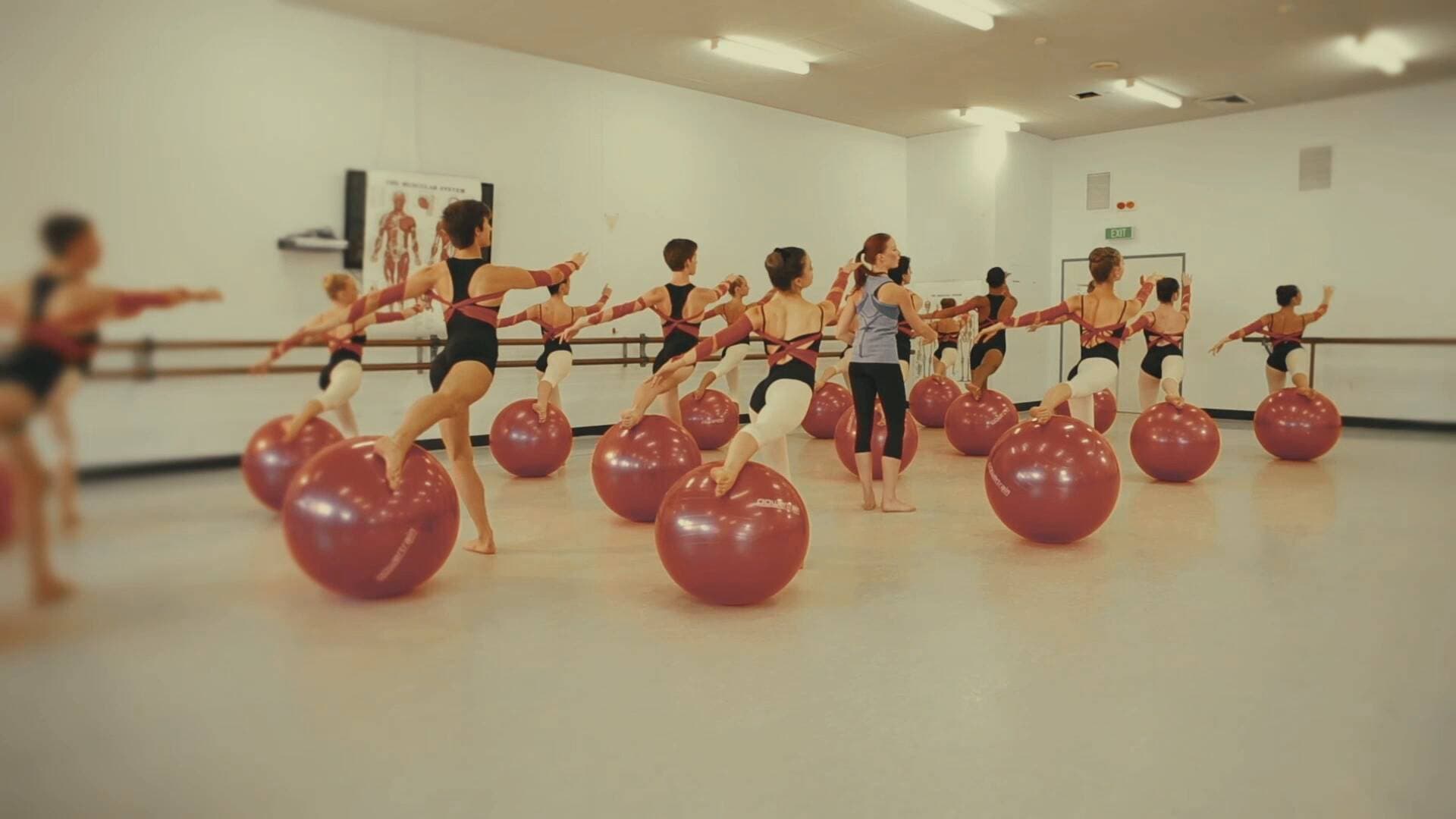 Advanced | Weight Placement
Alignment Stability
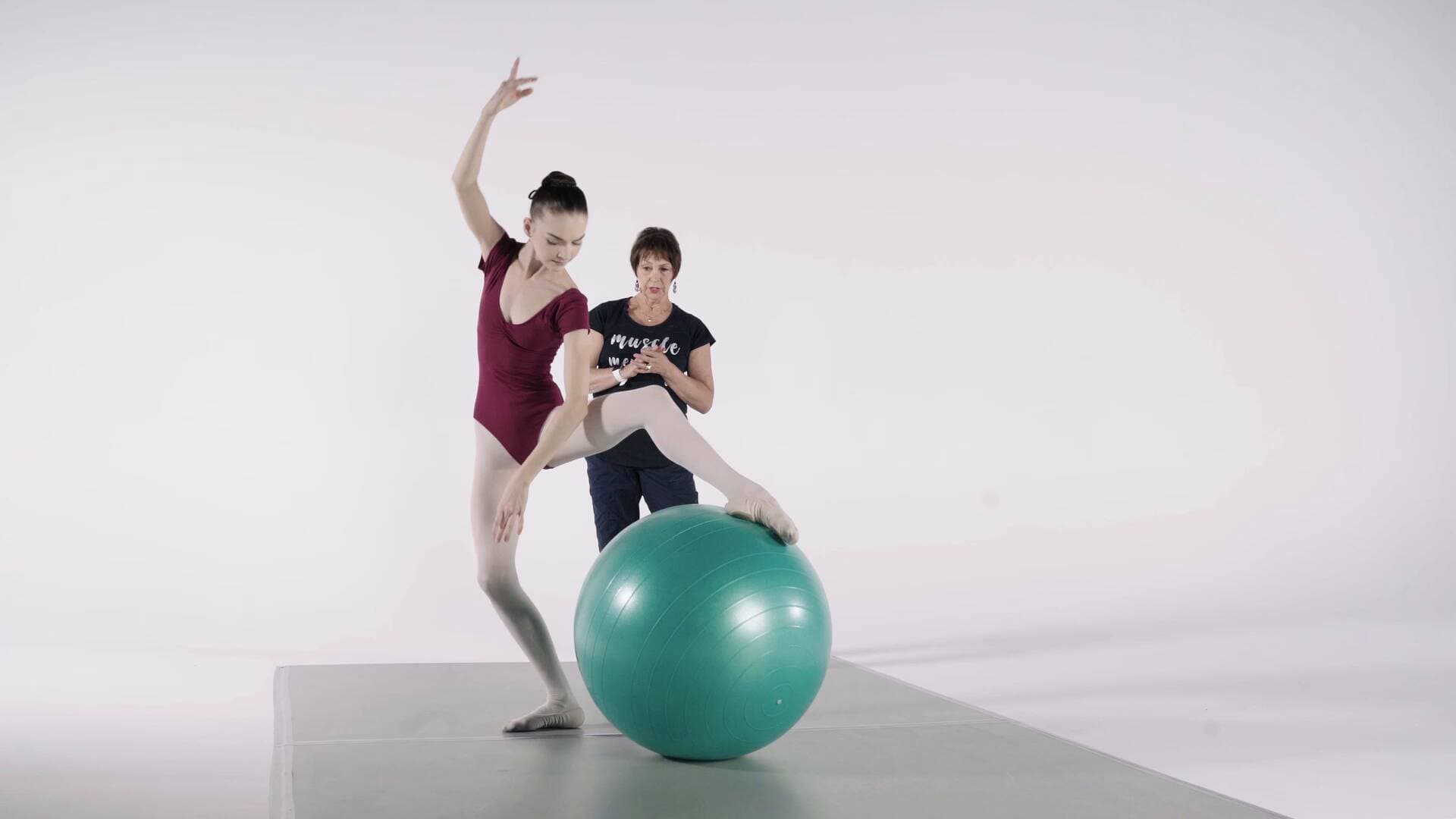 Advanced | Weight Placement
Upper Body with Alignment
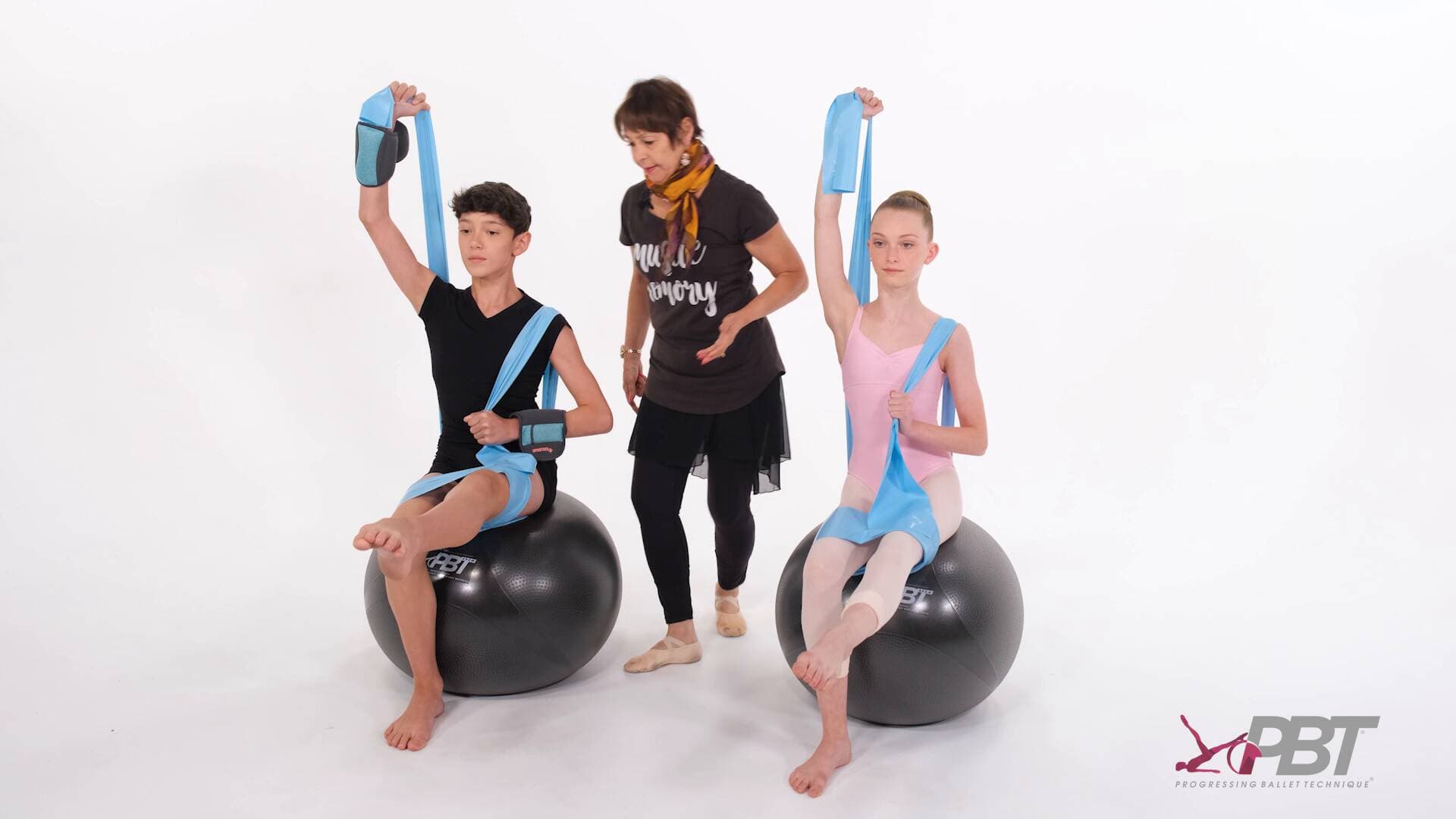 Advanced | Weight Placement
Resistance Band Leg Lifts
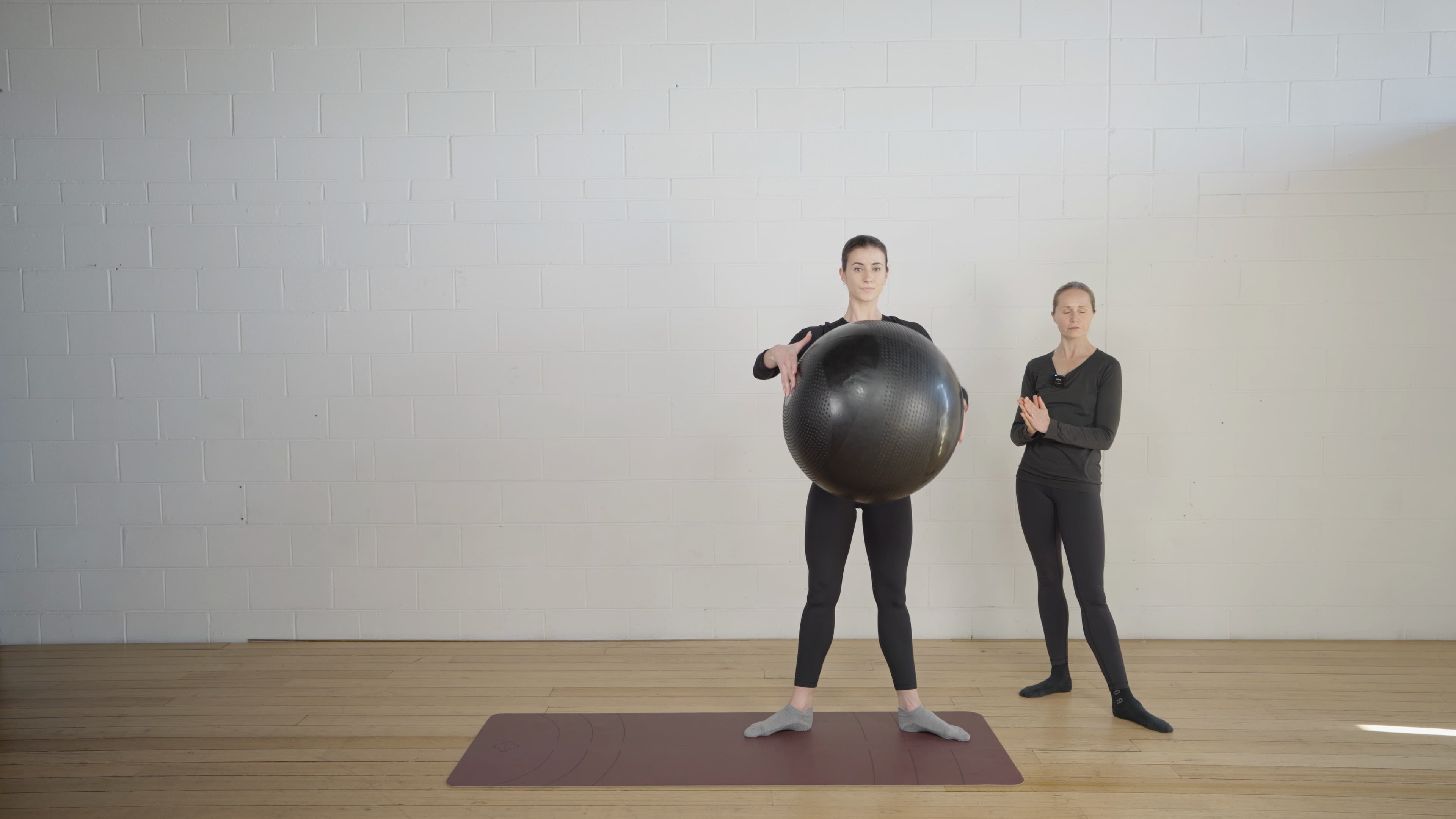 Advanced | Weight Placement
Controlled Placement
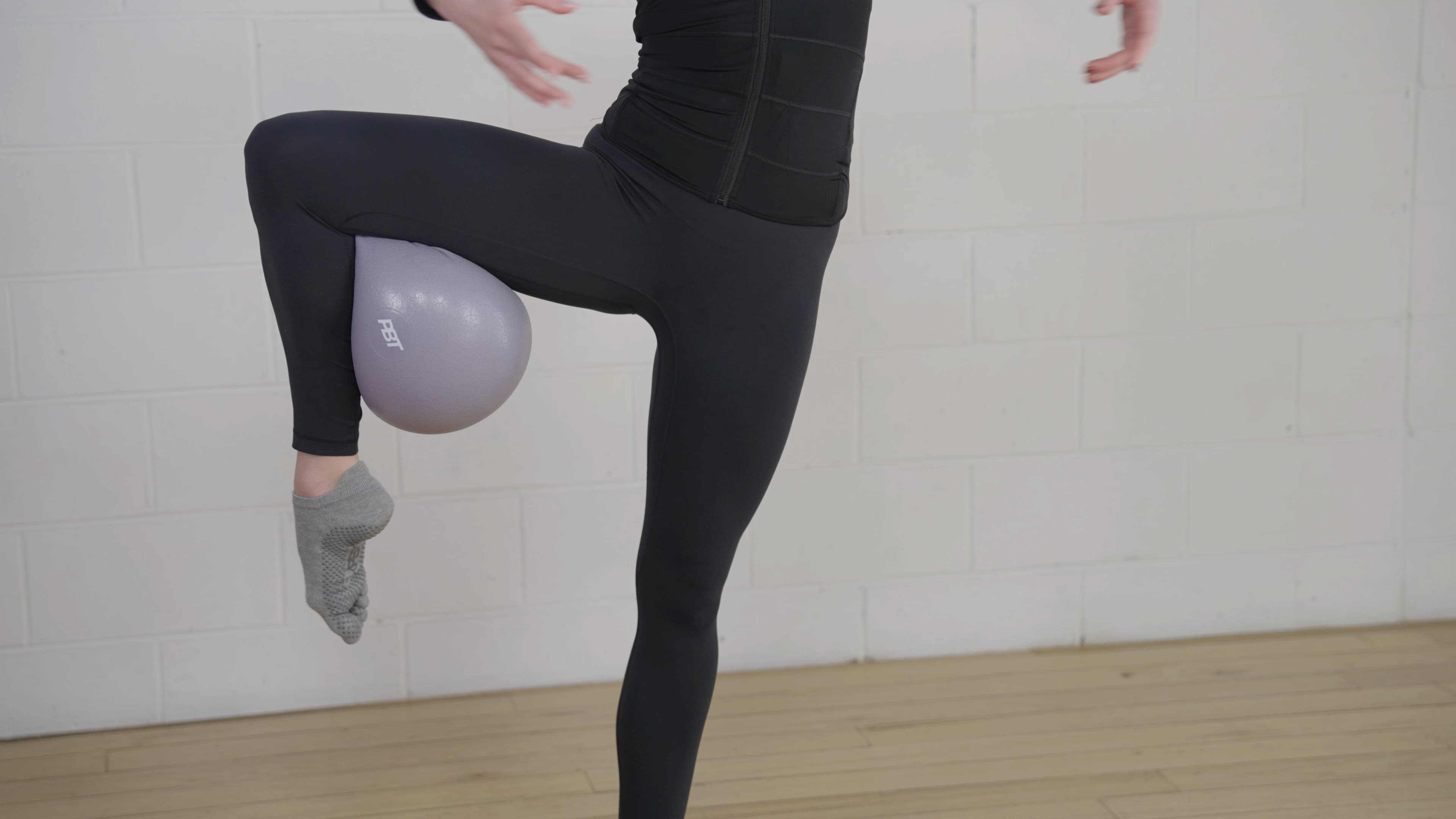 Advanced | Weight Placement
Balance for Pirouettes
 Advanced | Weight Placement
Controlled Placement – Level 2
 Advanced | Weight Placement
Power in Weight Placement
 Advanced | Weight Placement
Control with Stability
 Advanced | Weight Placement
Relevé Transitions
Music Used
Bayadère Velo | Ballet Class App
Equipment Used

Exercise Ball / Fit Ball
Ballet Barre
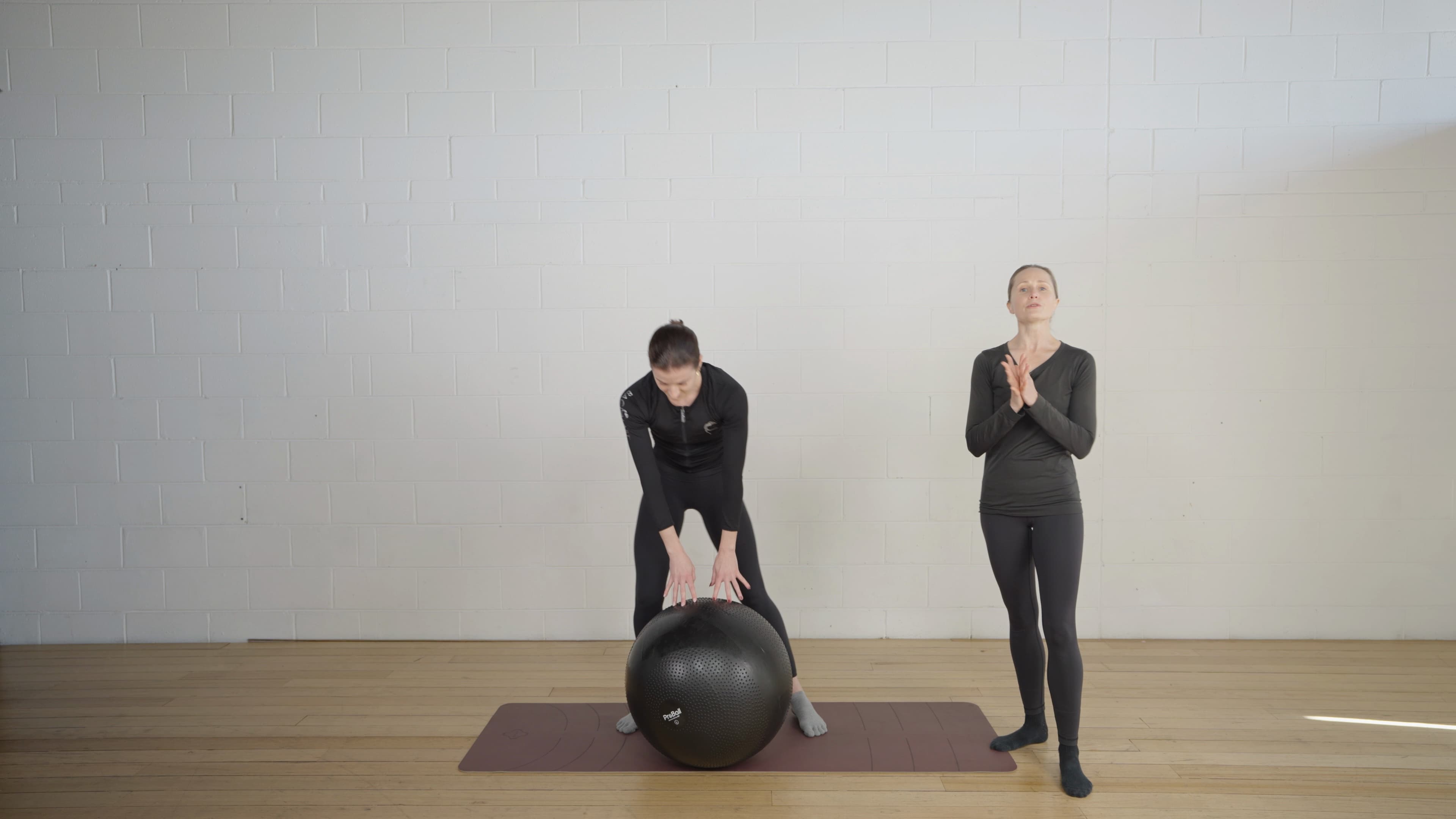
This exercise is pivotal for students to understand and perfect the role of the supporting leg in dance. Stability in the supporting leg is essential for granting the working leg the freedom it requires for movement. This exercise focuses on maintaining a vertical axis of weight placement for balance, ensuring that pelvic stability is not compromised by the upper body. It teaches dancers to be mindful of their centre of gravity, particularly during a rise (elevé), where it should always remain between the first and second metatarsal.
Preparation:
Start with the dancer positioned sideways to the ballet barre, right hand on the barre, and the left leg placed in devant on the fit ball.
Steps:
1. Have students begin with a port de bras from first to second position, ensuring their working leg remains weightless on the ball.
2. Progress students through a fondu (plié) while the upper moves towards the working leg, coordinating the port de bras overhead into fourth position.
3. Instruct them to cambré while checking their pelvis alignment. They repeat from the beginning, rises (elevé) and balance with the port de bras into 5th position and pivots (promenade) to challenge and test their balance, with port de bras variations to enhance upper body coordination and stability.
4. Instruct them pivots (promenade) to face the barre. Repeat the fondu with the port de bras towards the working leg and recover. Repeat with the port de bras towards the supporting leg. Challenge and test their balance with a rise, with the port de bras into 5th position. variations to enhance upper body coordination and stability.
5. Instruct them pivots (promenade) into arabesque alignment. Repeat the fondu (plié) section 3 times. Rise and test the balance and lift the working leg.
6. Repeat on the alternate side.
Focus:
Emphasise the importance of maintaining a straight vertical axis through the body, ensuring the centre of gravity is controlled. Highlight the need for pelvic stability throughout each movement.
Frequently asked questions
Comments and Questions
Sign up to our newsletter
Receive tips, news, and advice.

Copyright © 2025 Progressing Ballet Technique. All Rights Reserved