Hip & Glute Conditioning
Senior
Turnout
Share
 Senior | Turnout
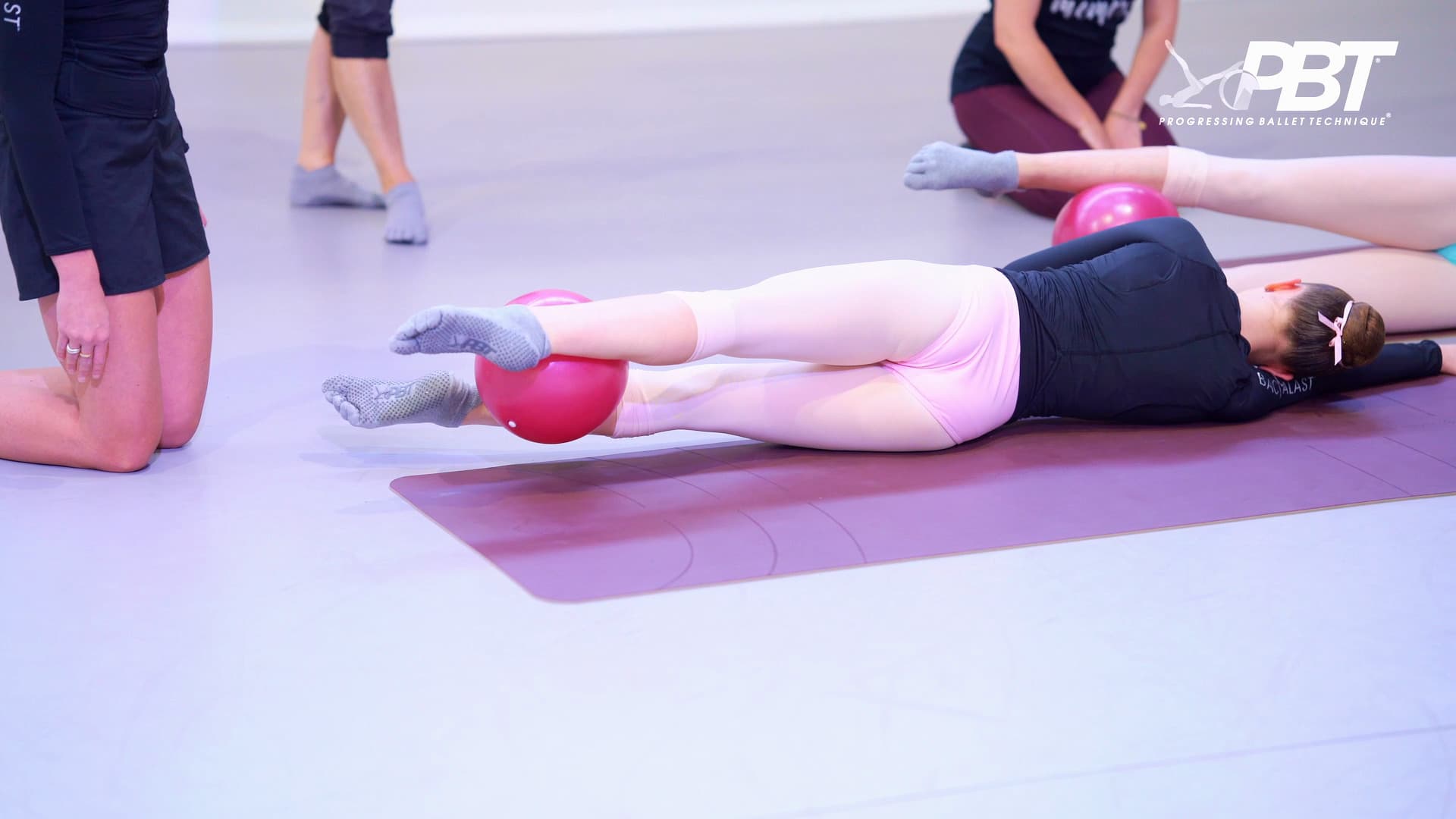
Small Twist Activation
 Senior | Turnout
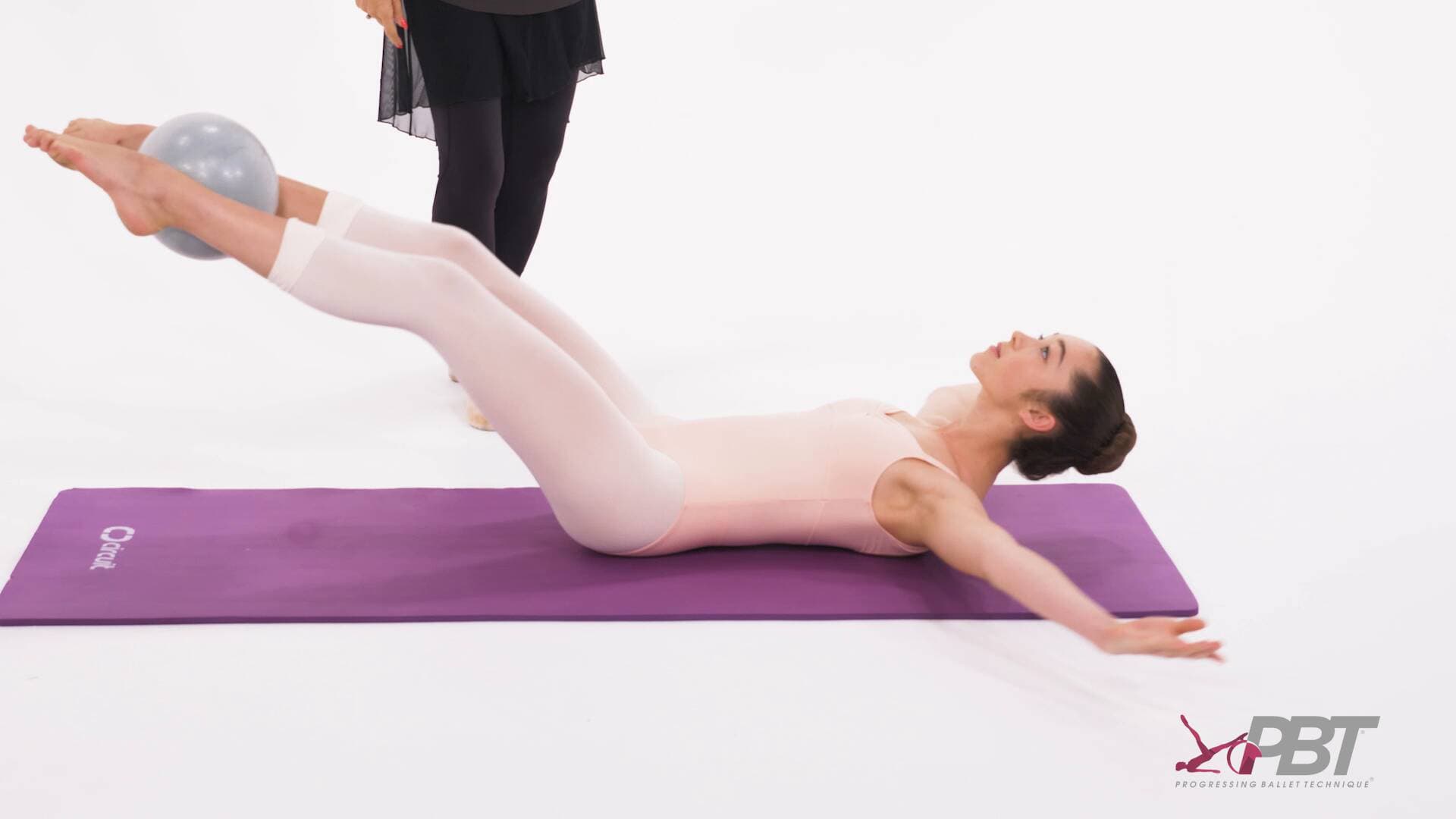
Clams with core
 Senior | Turnout
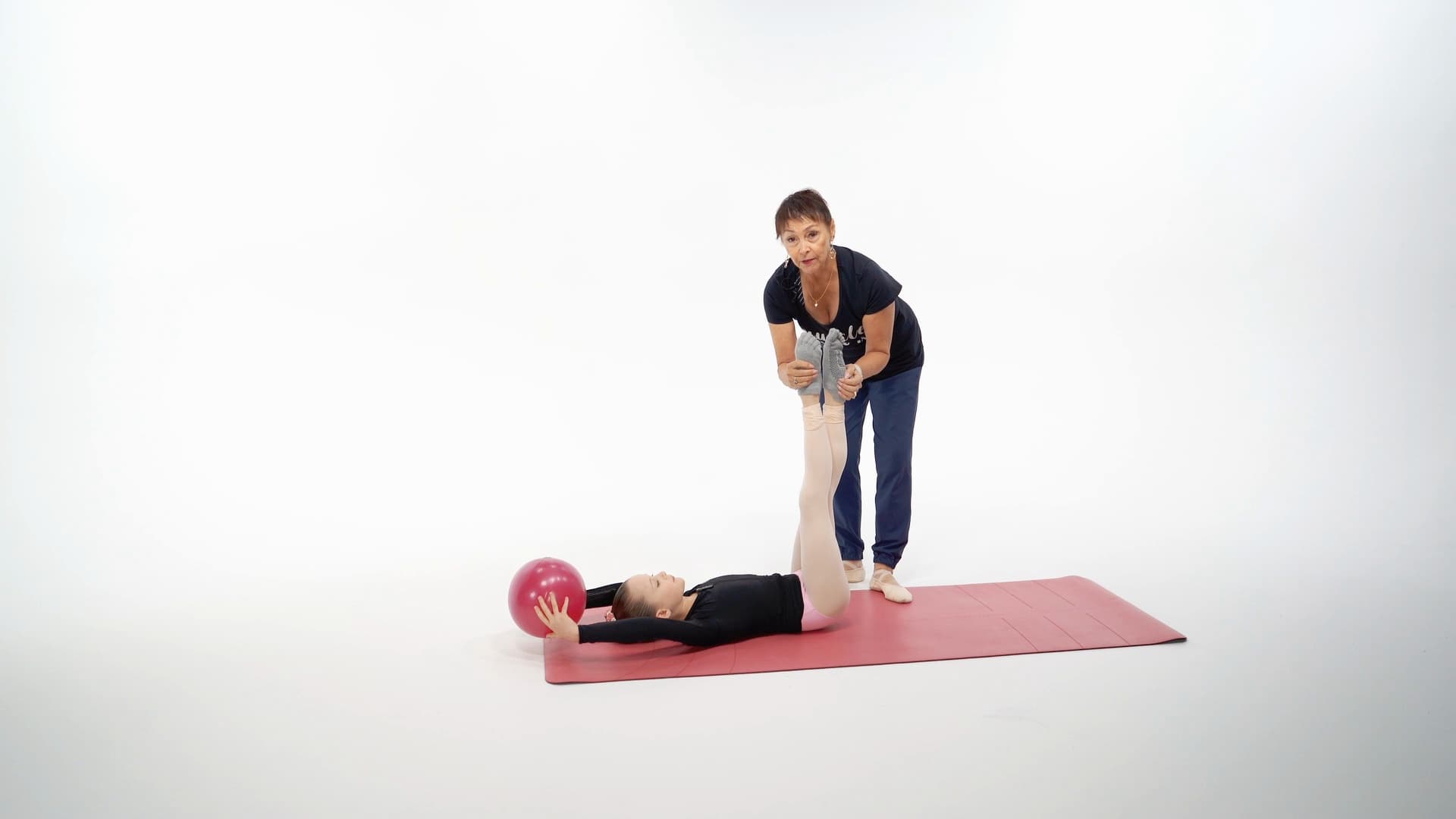
Core with beating
 Senior | Turnout
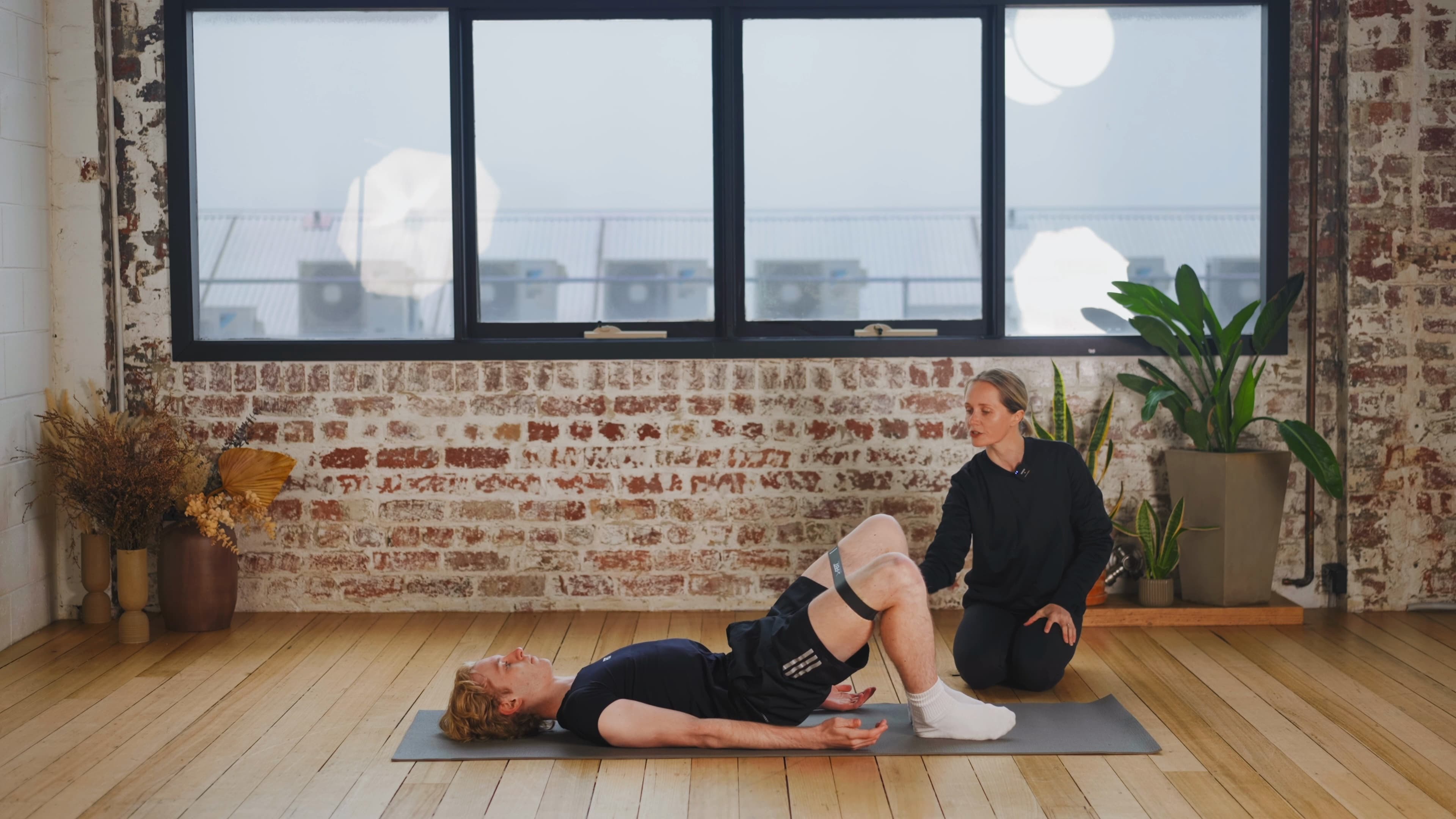
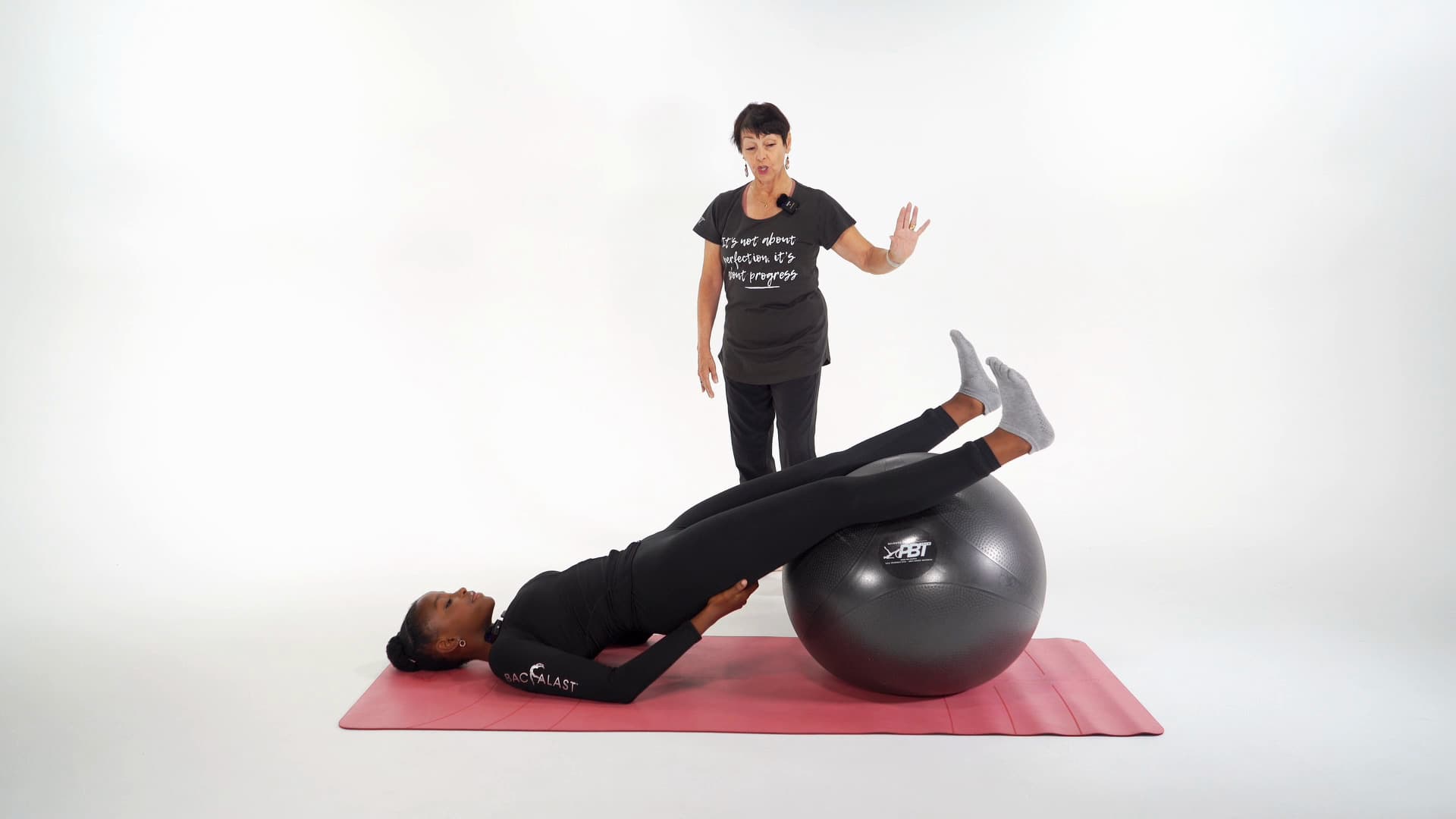
Bridge with butterfly
 Senior | Turnout
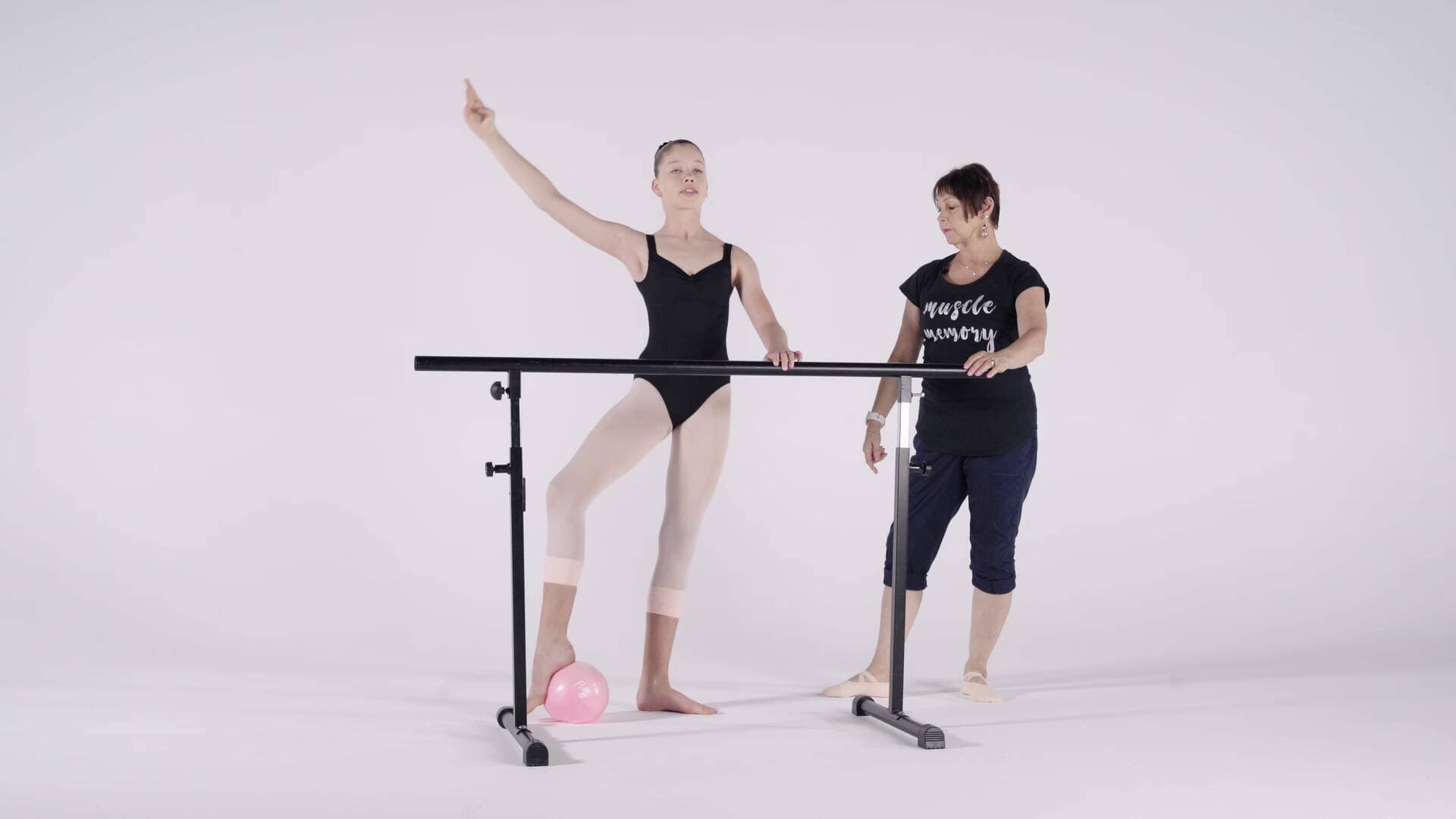
Alternate Leg Rotators
 Senior | Turnout
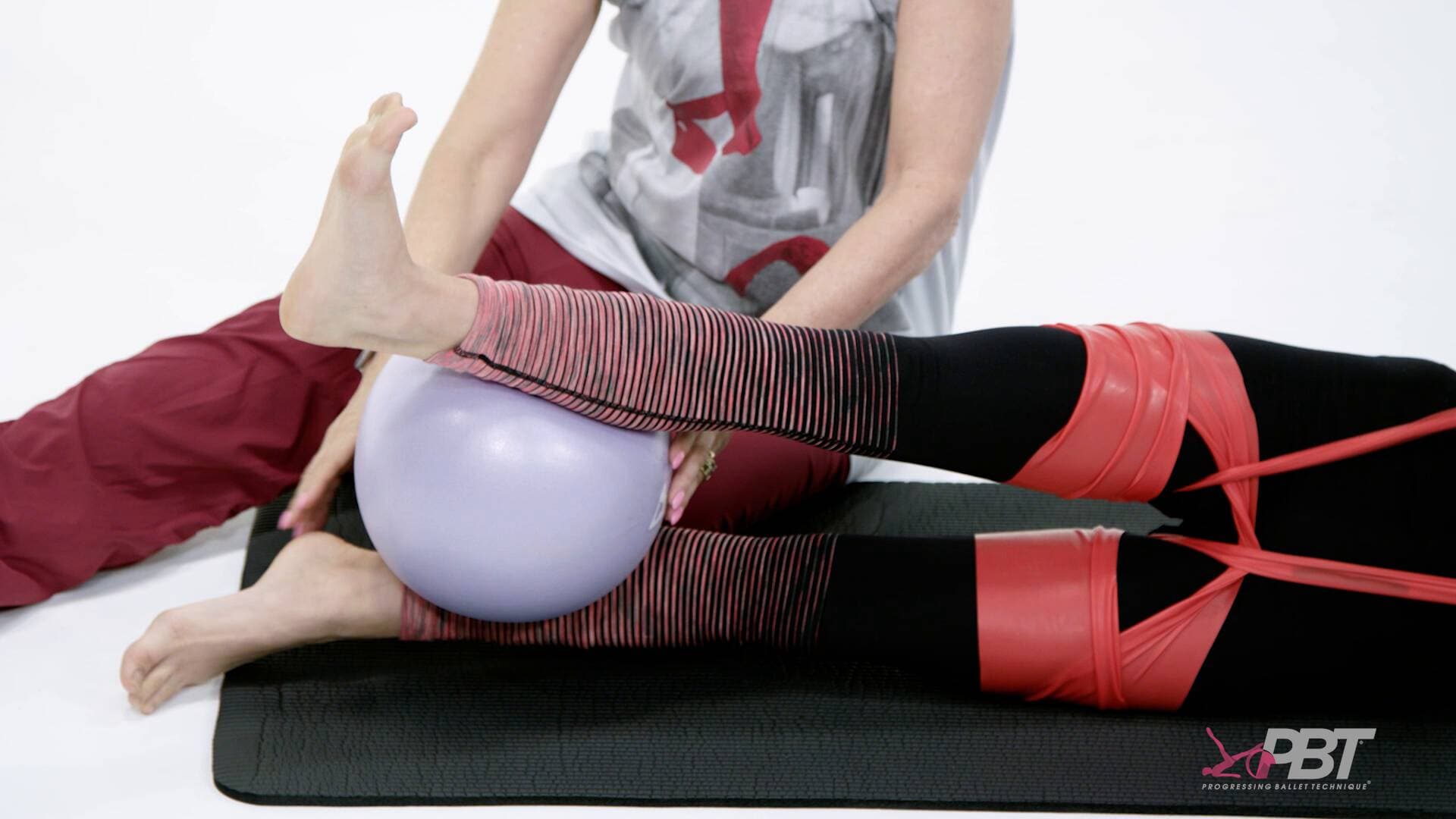
En croix control
 Senior | Turnout
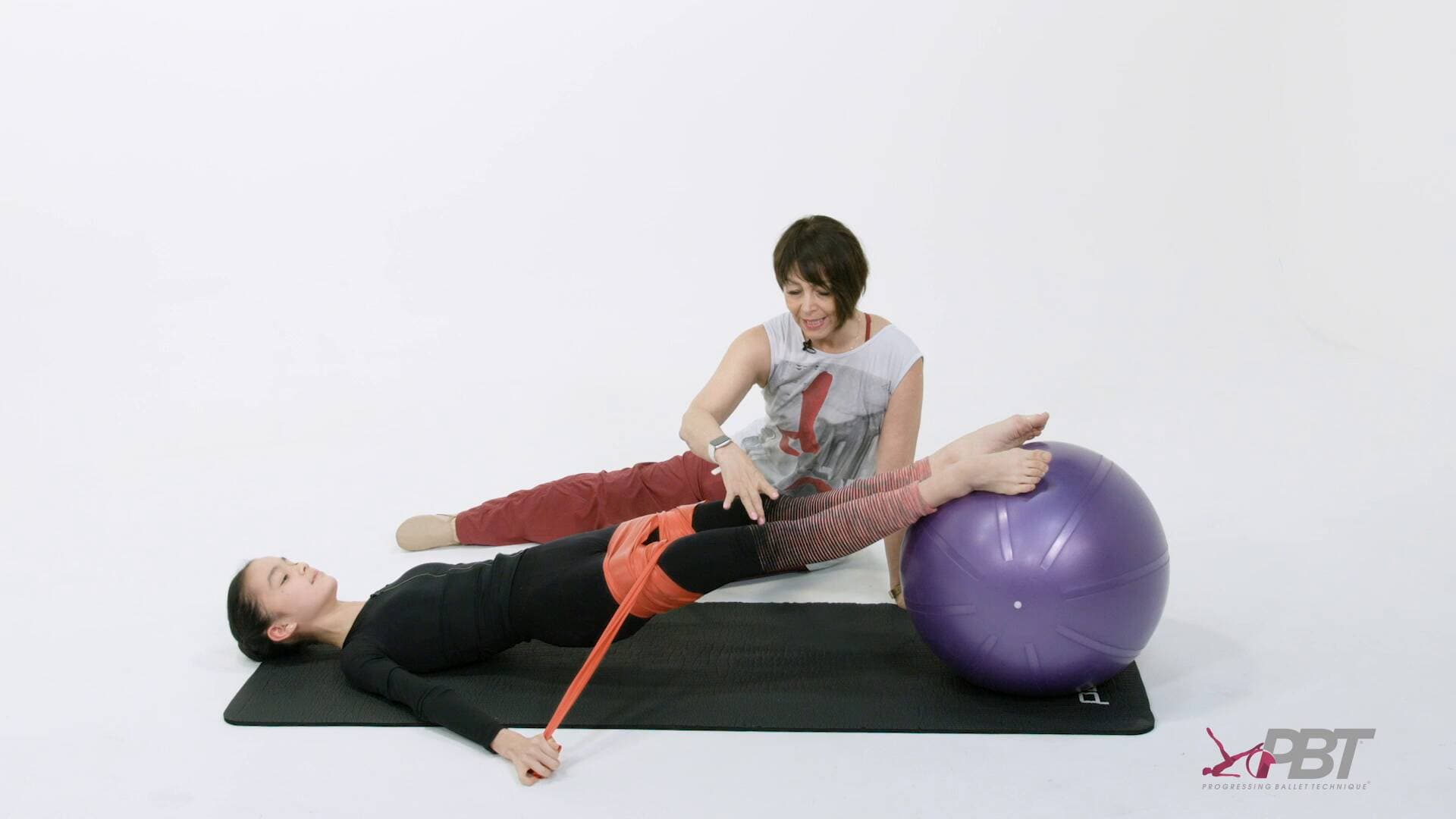
Passé with bands
 Senior | Turnout
Wrapping in Demi Plié
 Senior | Turnout
Pulses with bands
 Senior | Turnout
Fusion Ball Rotation
 Senior | Turnout
TFL & glute conditioning
 Senior | Turnout
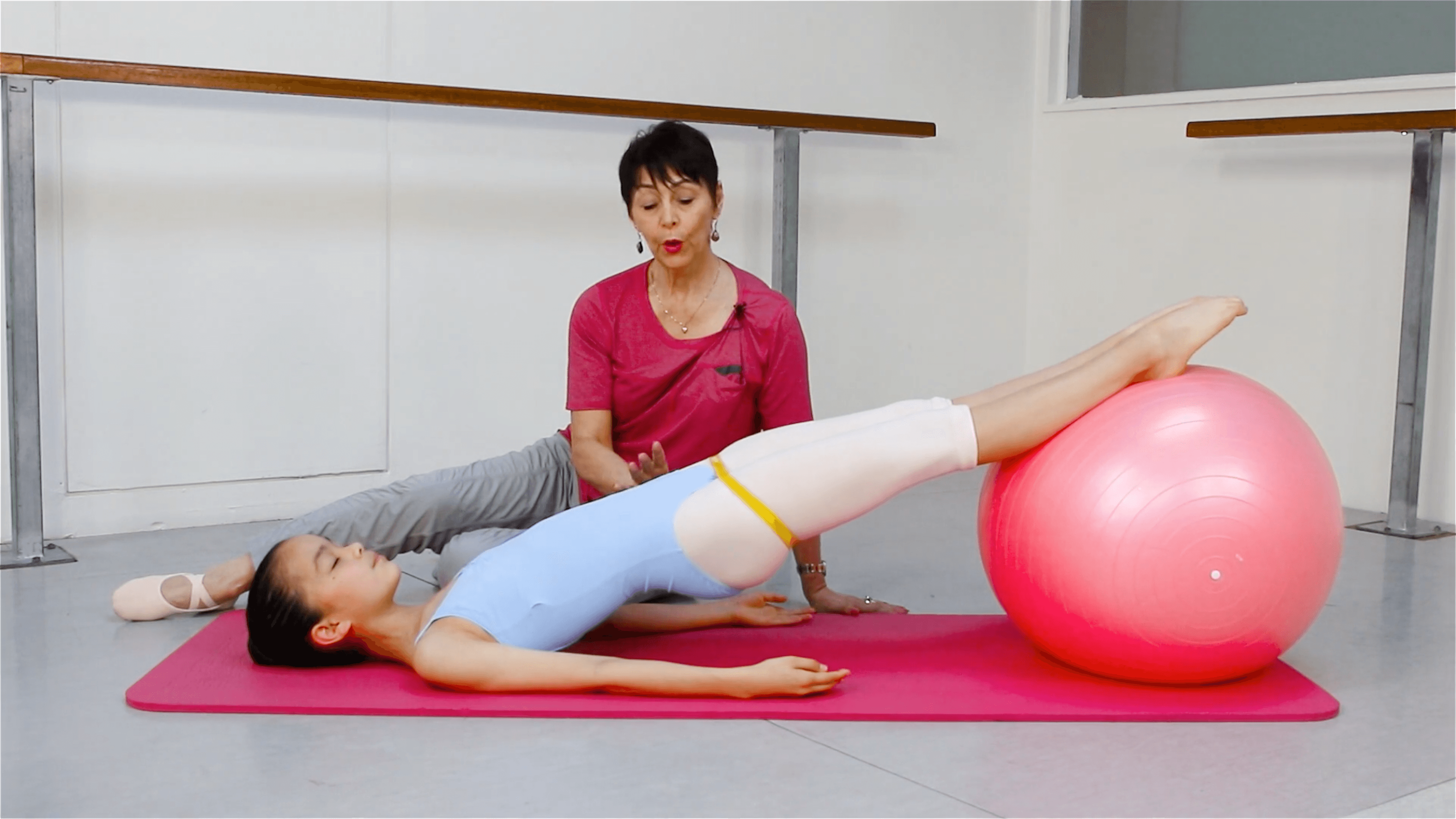
Adductor & Core activation
 Senior | Turnout
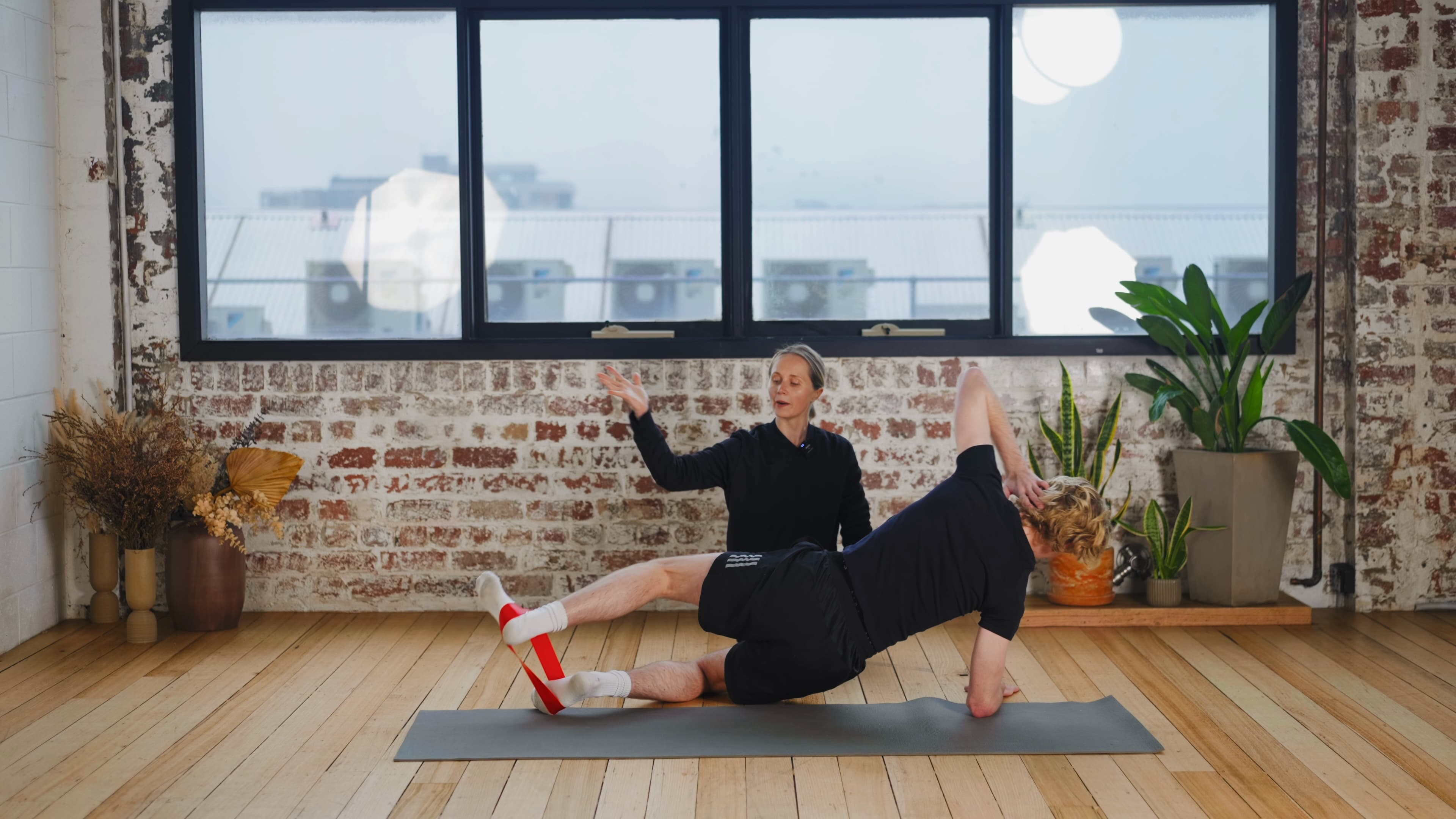
Turnout stability
 Senior | Turnout
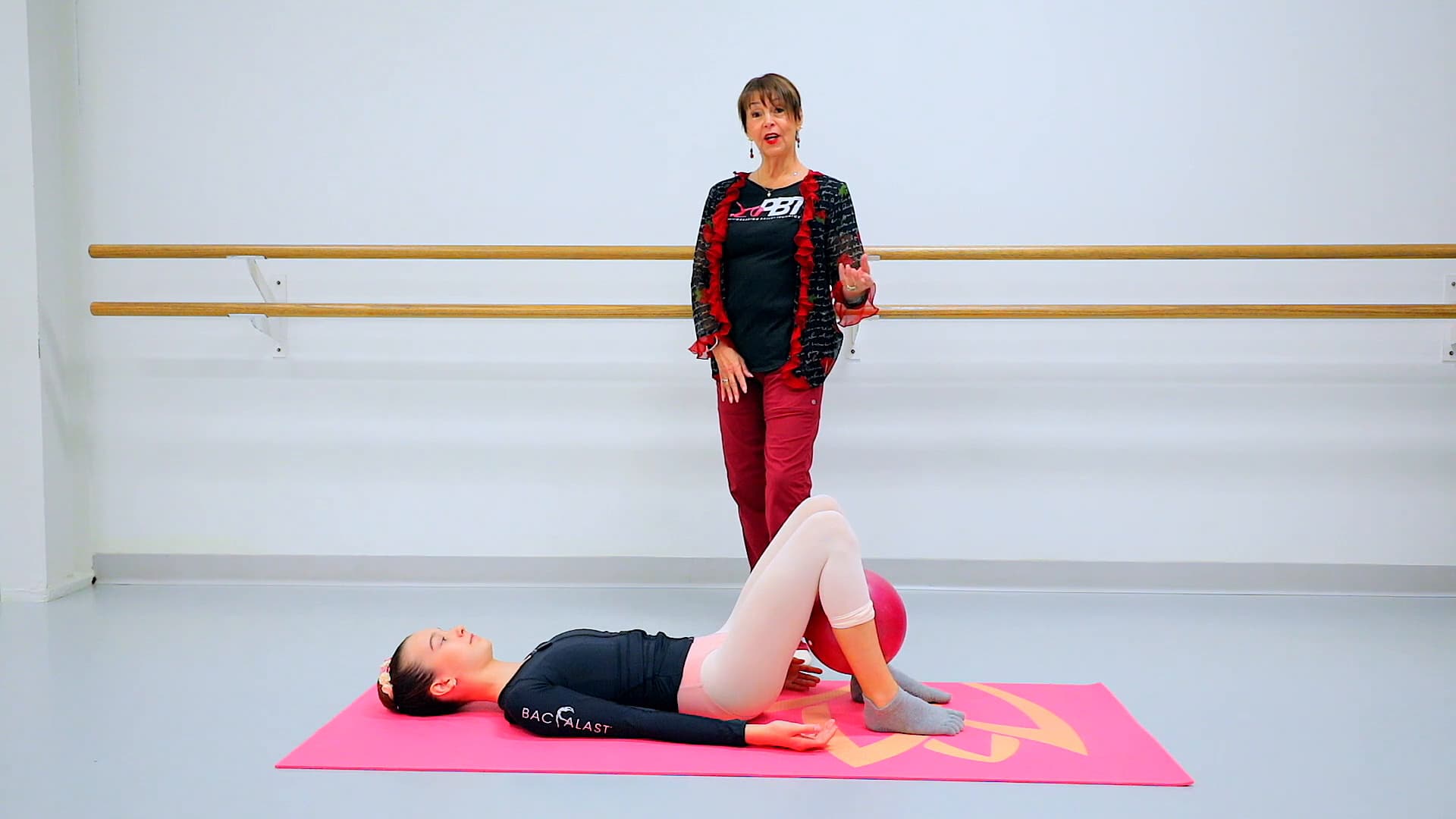
Resistance extension
 Senior | Turnout
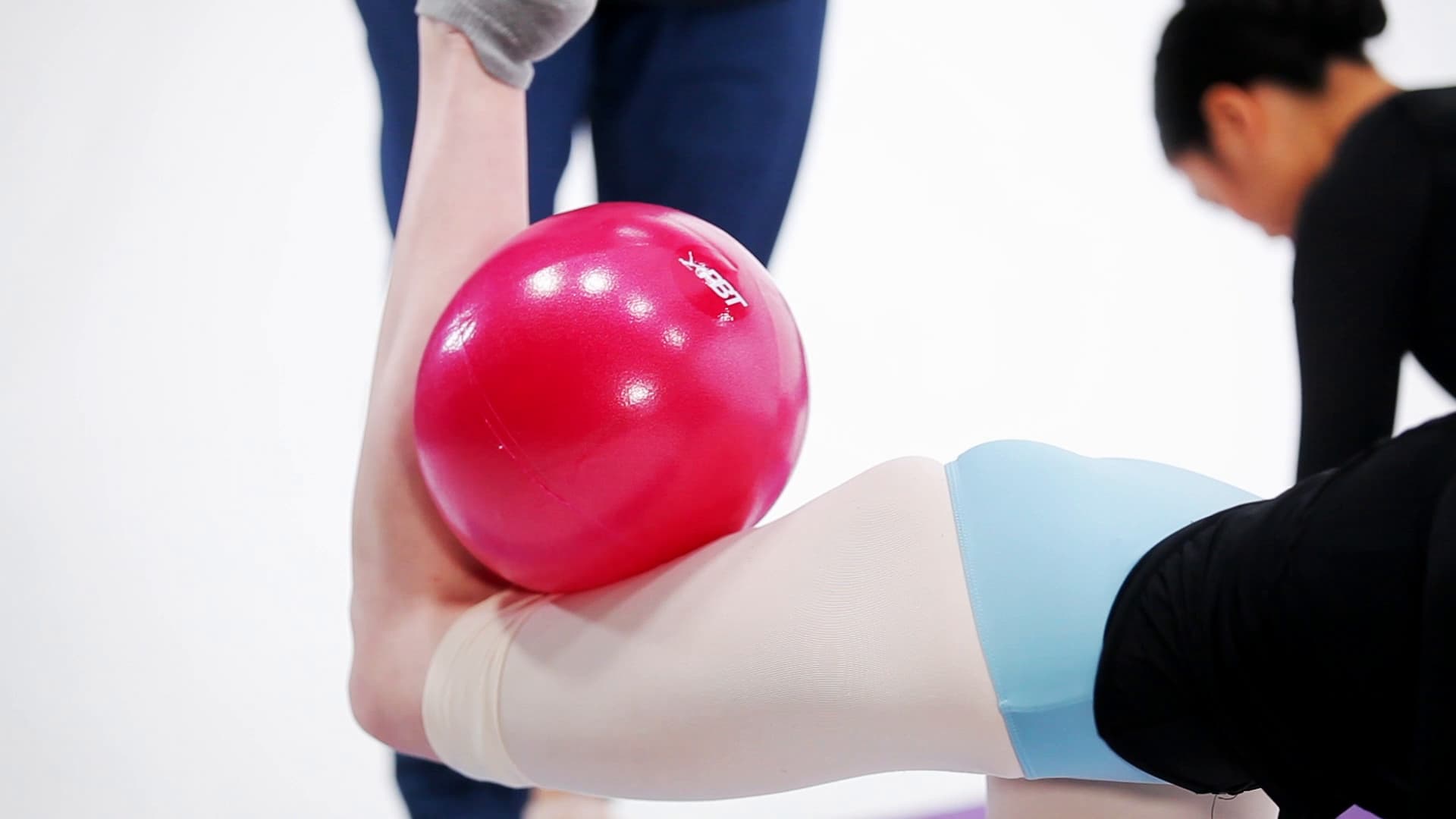
Leg Switches
 Senior | Turnout
TFL & Glute extension
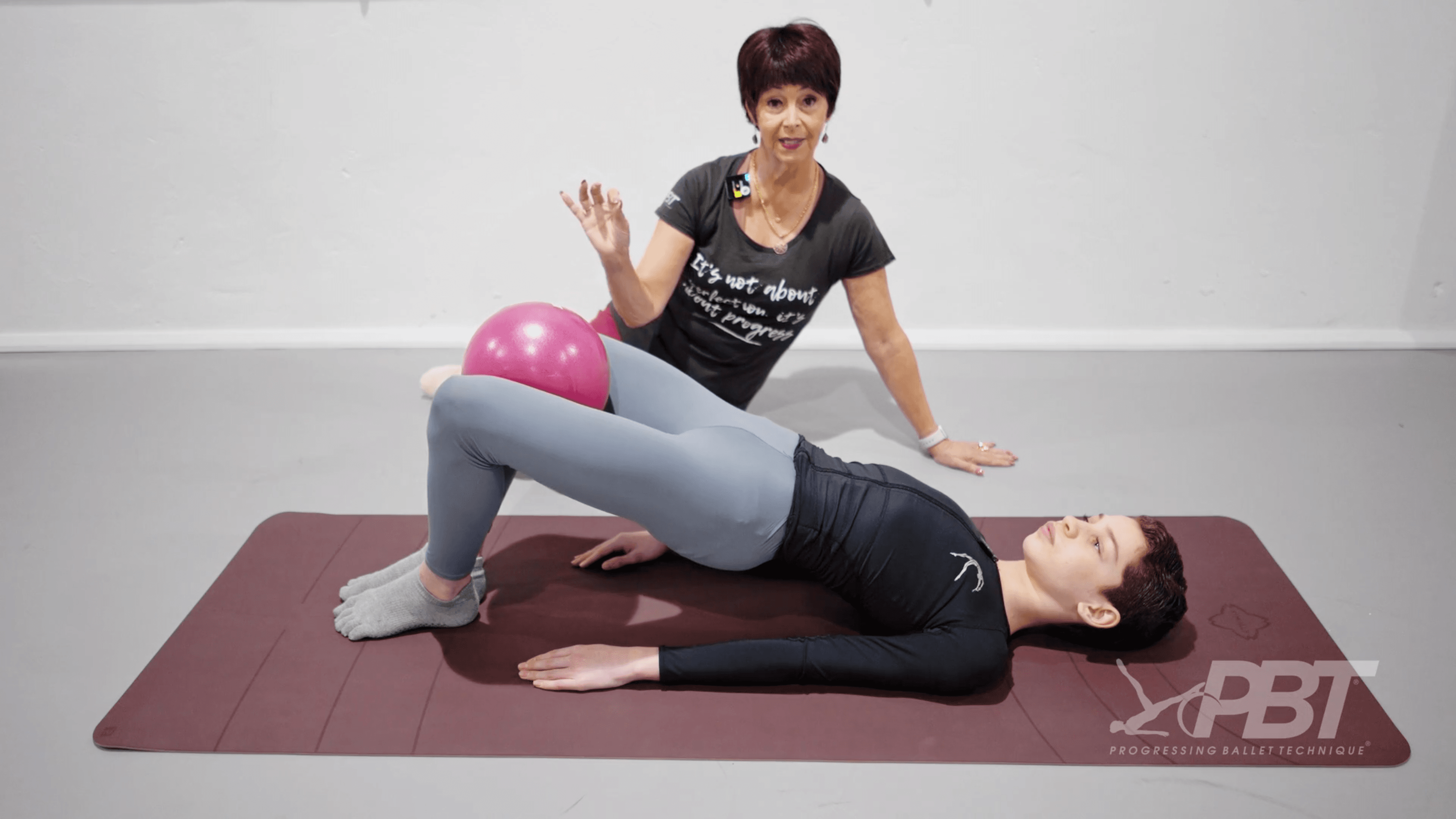 Senior | Turnout
Adductor conditioning
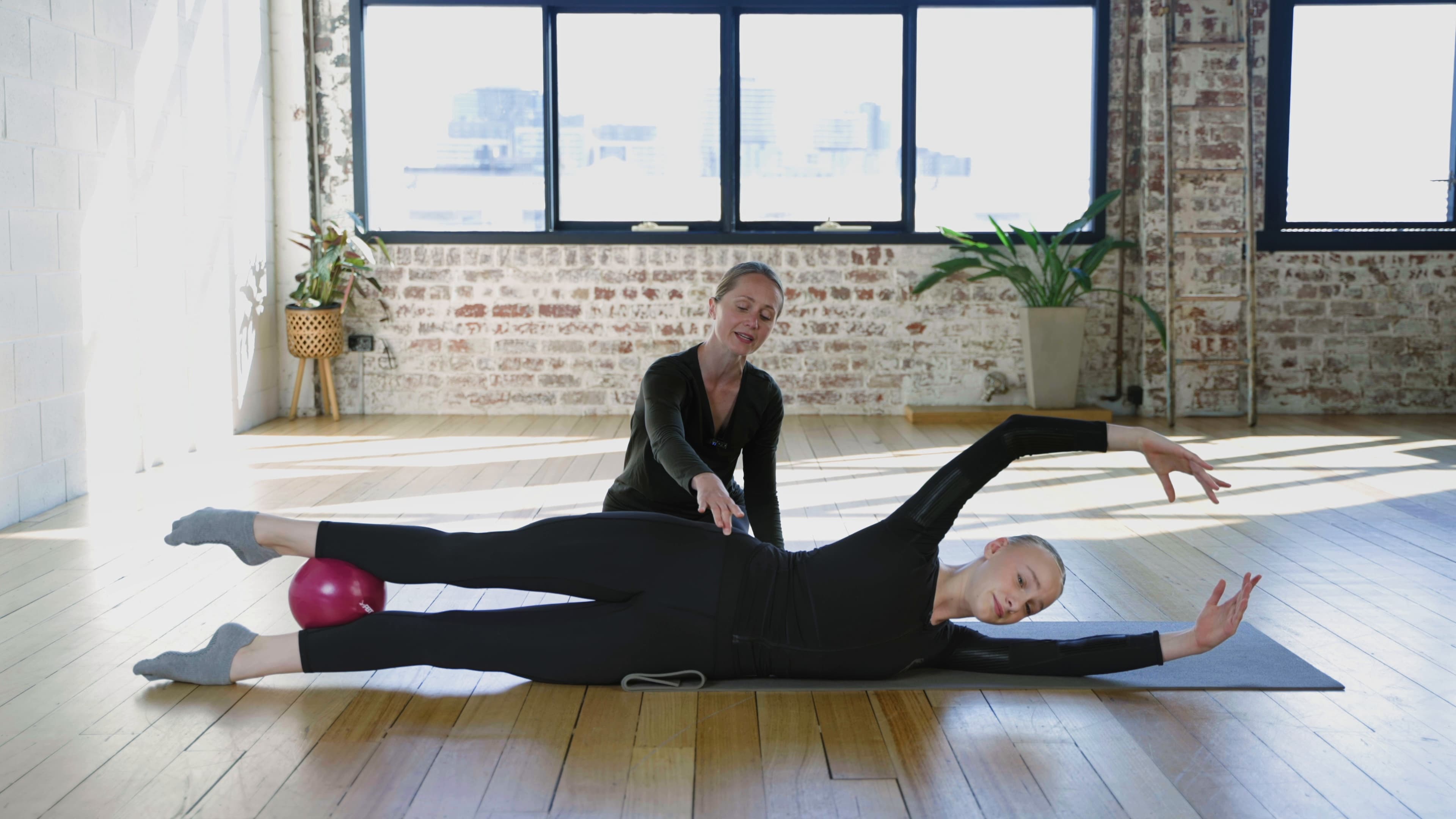 Senior | Turnout
Sliders to Demi Pointe
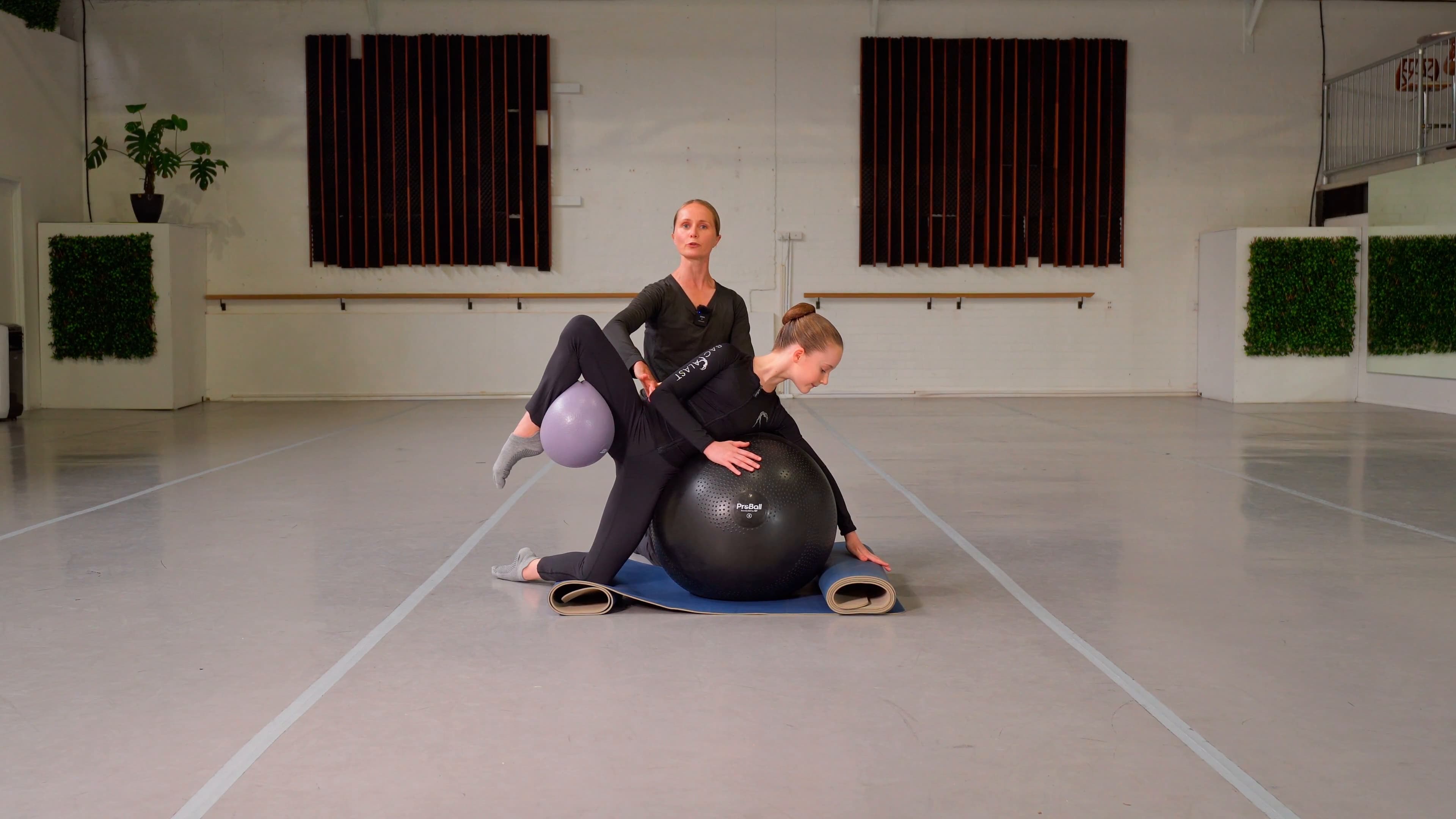 Senior | Turnout
Hip Opener
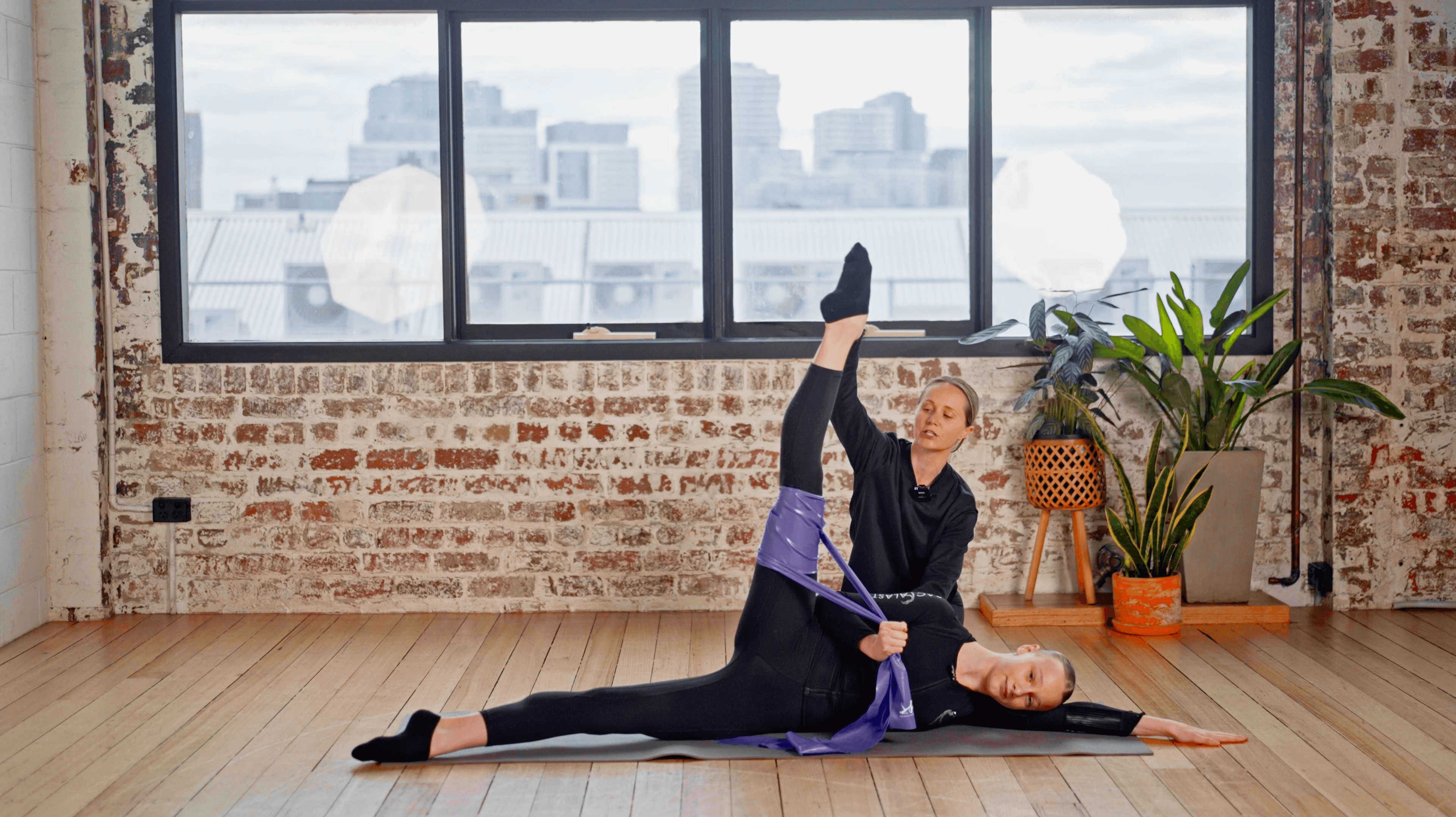 Senior | Turnout
Rond de jambe en l’air
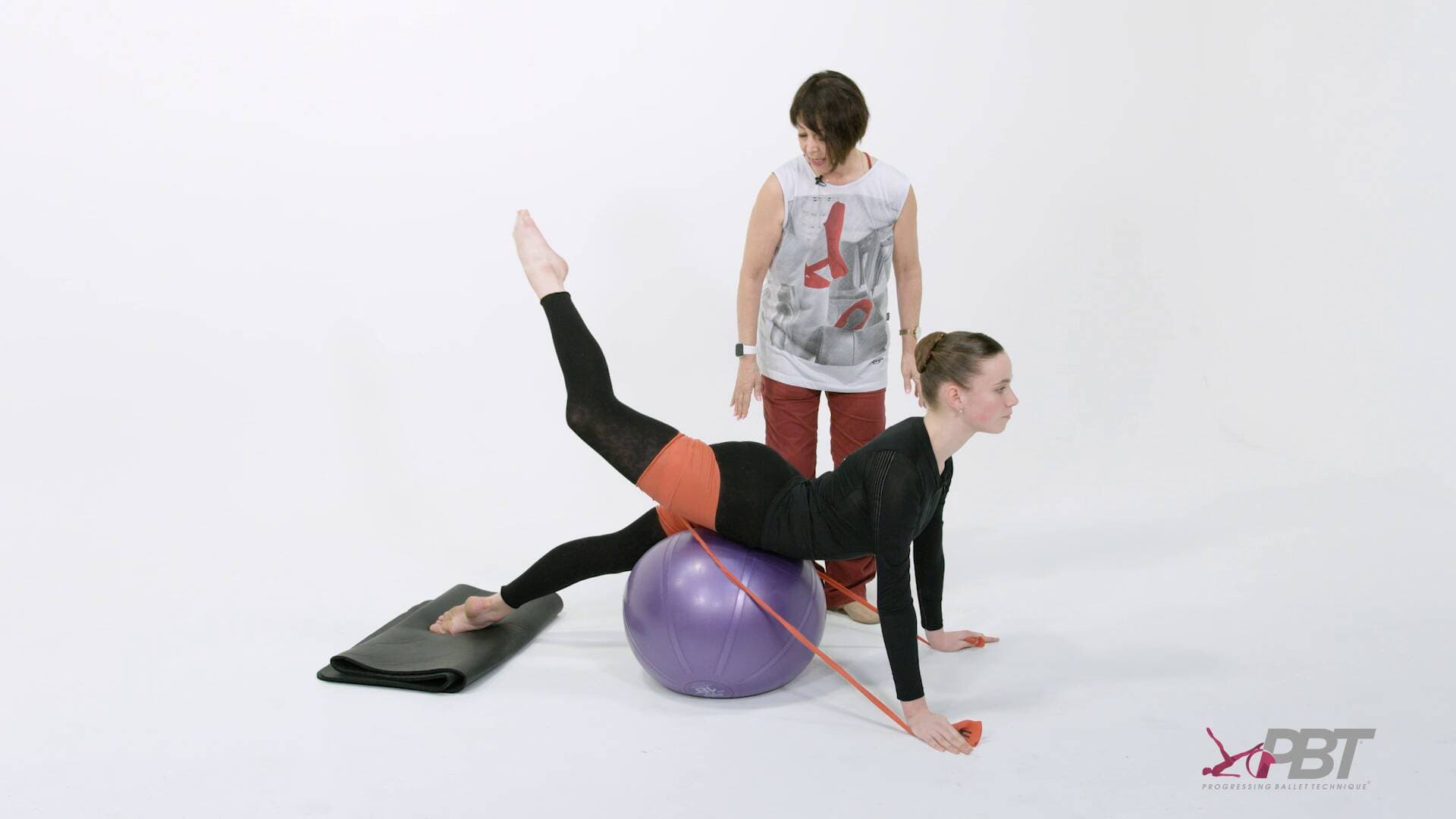 Senior | Turnout
Arabesque and Bands
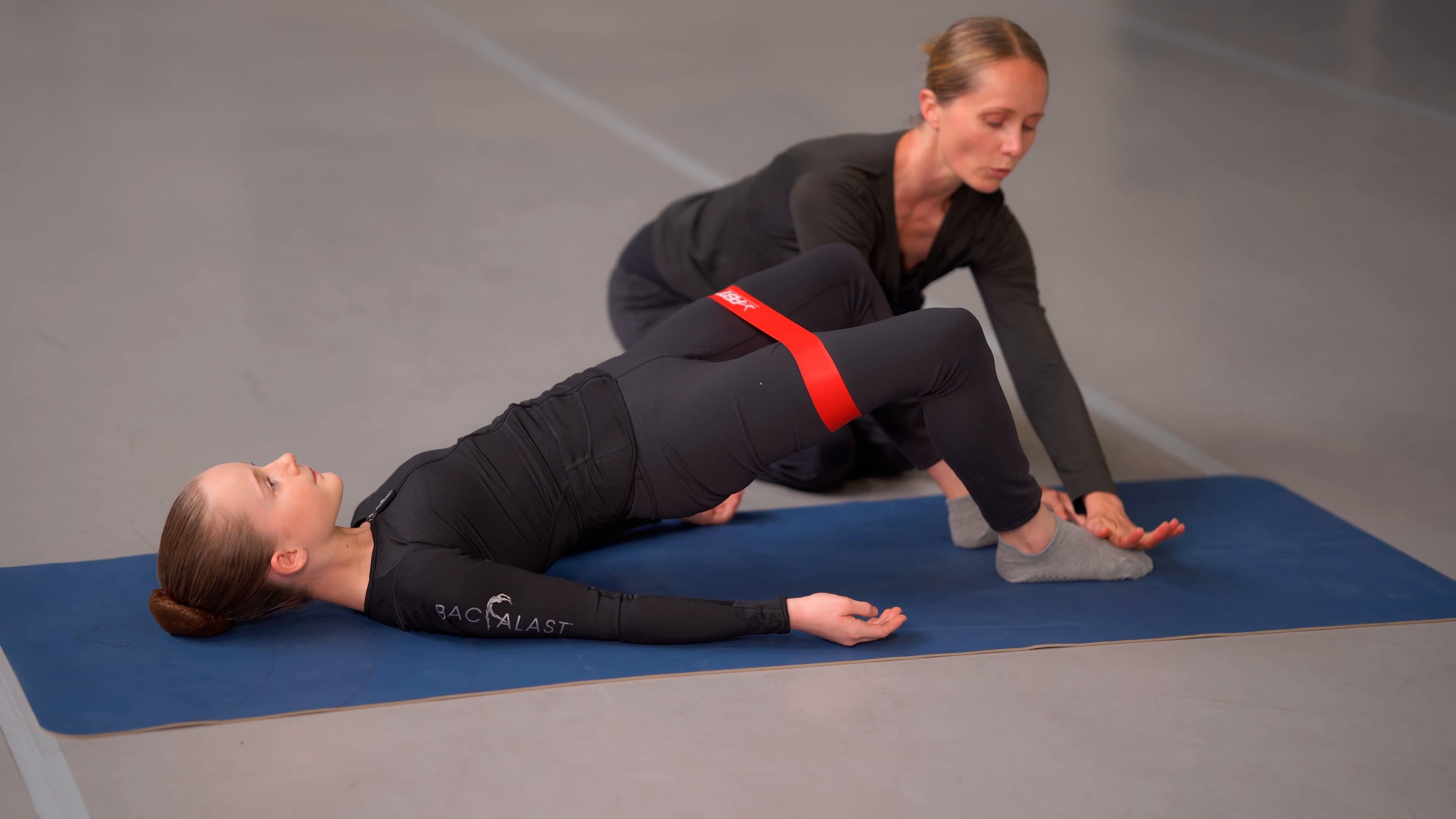 Senior | Turnout
Deep Activation With Band
Music Used
Moonlit Ball
Equipment Used

Fusion Ball
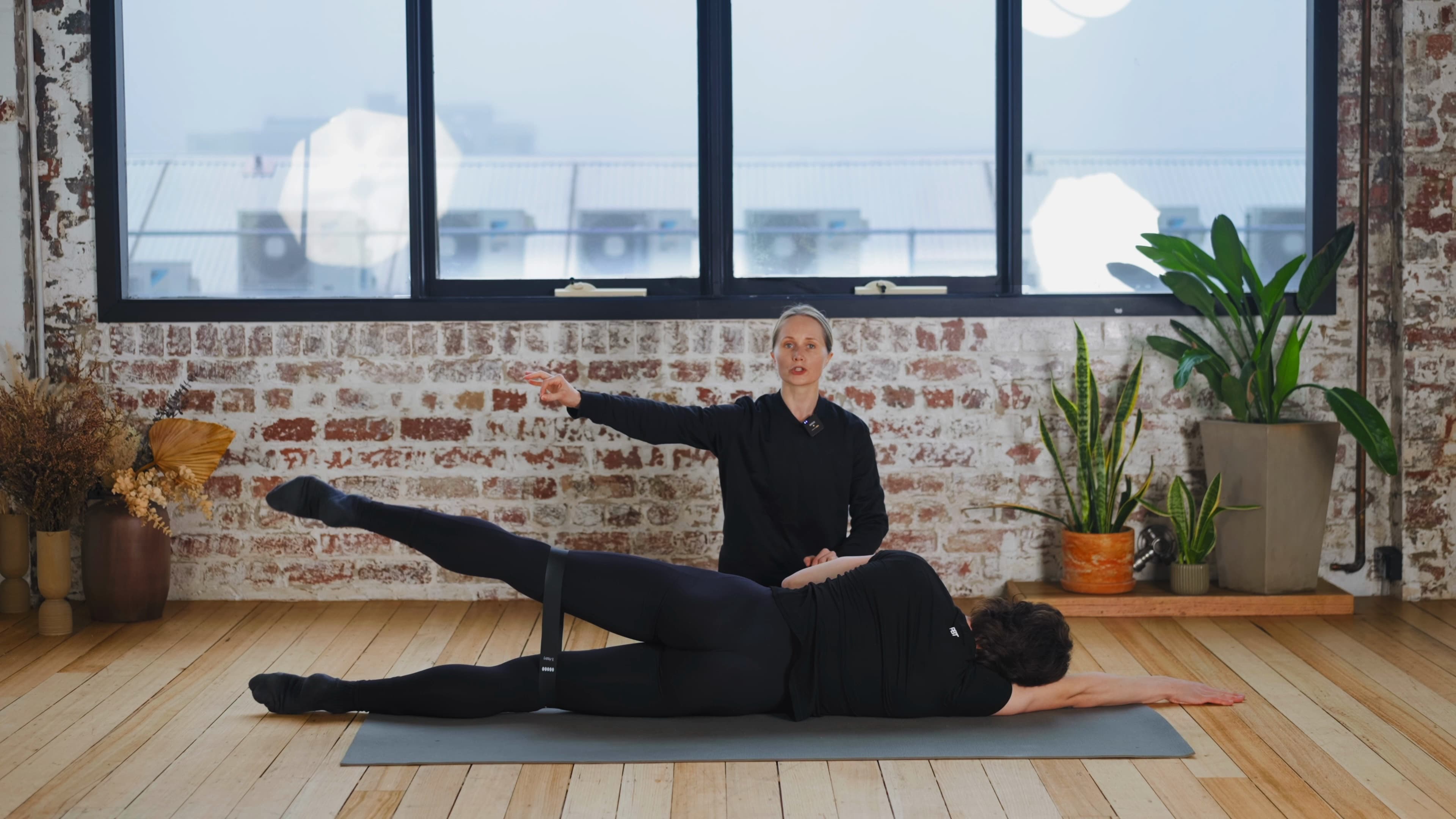
This exercise is integral to ballet training, focusing on strengthening the gluteus medius muscle. This muscle is key for stability, balance, turnout control, lateral movements, and core stability in ballet. It aids in maintaining pelvic alignment during one legged movements, controlling turnout, executing lateral steps and jumps gracefully, and supporting the spine and pelvis for dynamic movements.
Preparation: Have students lie sideways towards the back of the mat. Extend the right leg and place a fusion ball at the back of the knee, applying gentle pressure. Have students extend the left arm in alignment with the ear to elongate the body.
Steps:
1. Instruct students to bend the right leg, resting it on the extended left leg, keeping both legs externally rotated.
2. Guide students to raise the right leg as high as possible without disturbing the pelvic alignment, maintaining hips stacked.
3. Lead students through internal and external rotations of the right leg.
4. Invite students to transition smoothly to a 4-point position, ensuring both legs are parallel and the body is supported on hands and knees.
5. Instruct students to raise the right leg, aligning the thigh with the hip, while preventing the lower back from collapsing.
6. Have students perform external and internal rotations of the right leg twice.
7. Guide students back to the starting position.
8. Repeat the sequence on the alternate side.
Focus: Emphasise the importance of maintaining hip alignment and engaging the core and glute muscles throughout the exercise.
Frequently asked questions
Comments and Questions
Sign up to our newsletter
Receive tips, news, and advice.

Copyright © 2025 Progressing Ballet Technique. All Rights Reserved