Butterflies
Sub Junior
Core & posture
Share
 Sub Junior | Core & posture
Back, Hamstrings, Toes
 Sub Junior | Core & posture
Beginner Roll Ups
 Sub Junior | Core & posture
Posture Progression
 Sub Junior | Core & posture
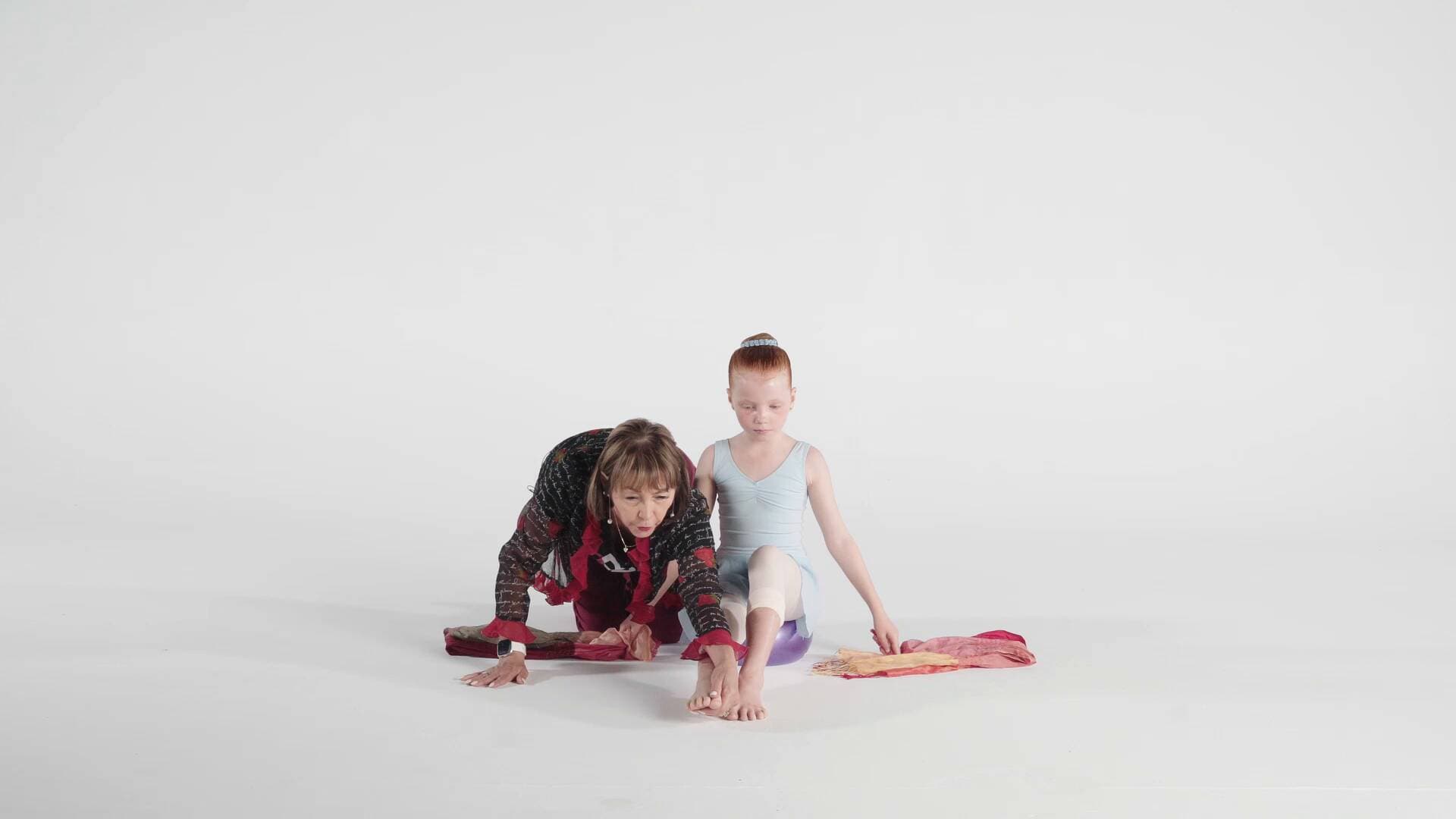
Caterpillar & Butterfly Extension
 Sub Junior | Core & posture
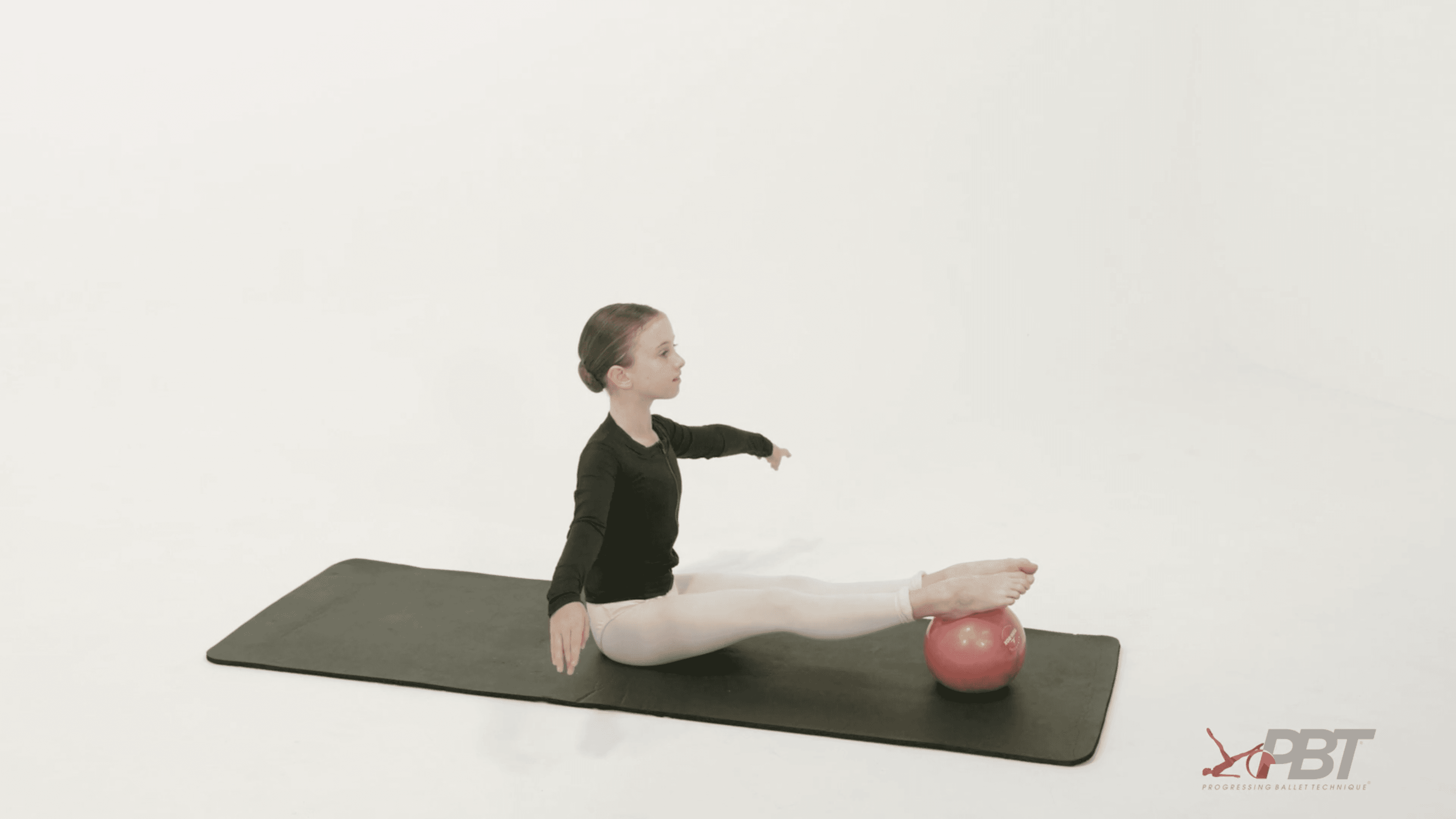
Posture and Balance
 Sub Junior | Core & posture
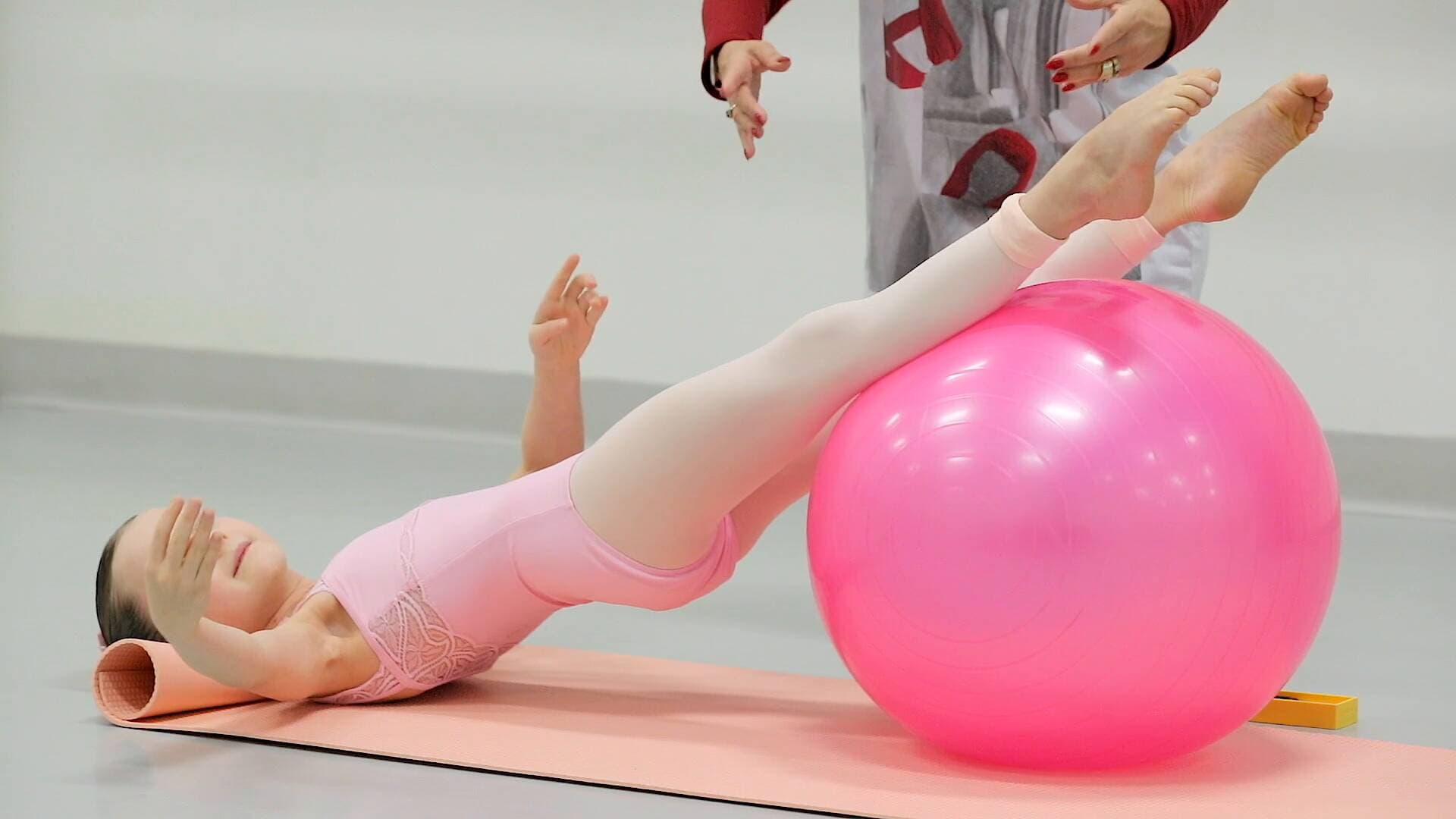
Caterpillar & Butterfly
 Sub Junior | Core & posture
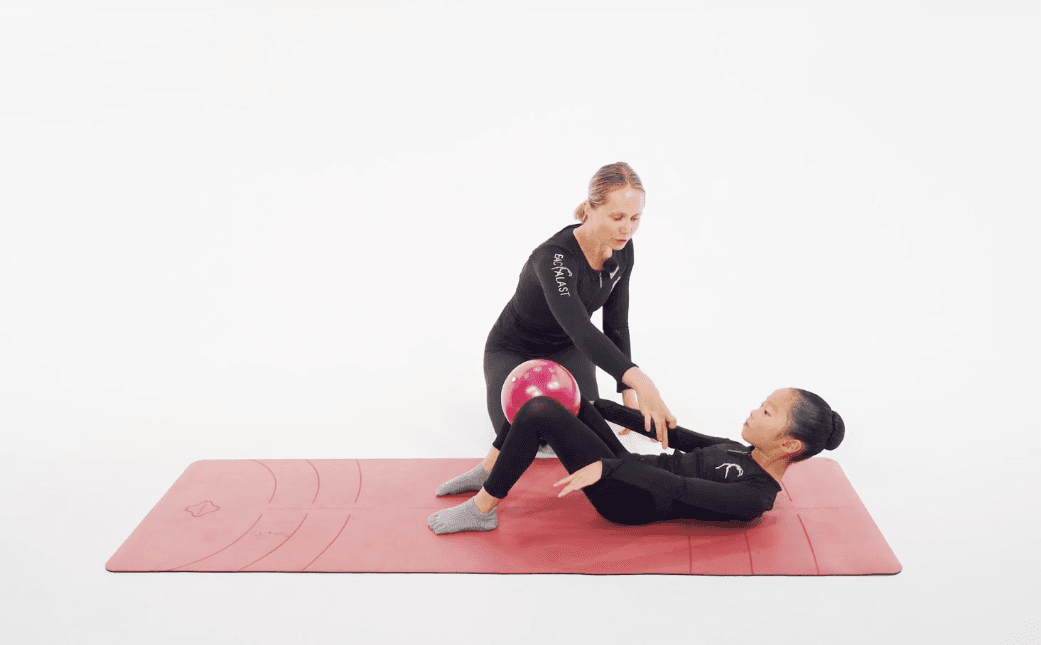
Core with port de bras extension
 Sub Junior | Core & posture
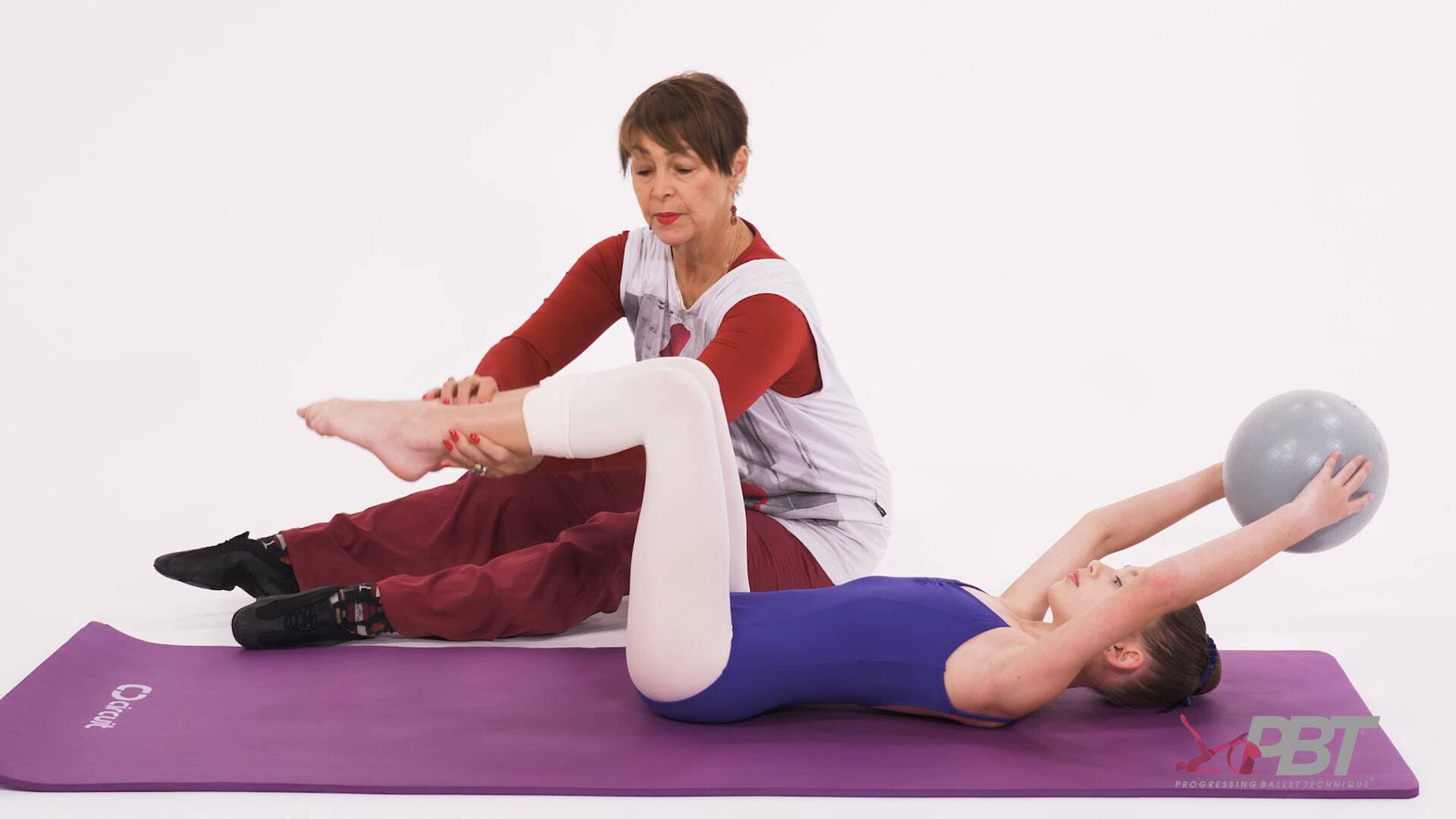
Beginner Curls
 Sub Junior | Core & posture
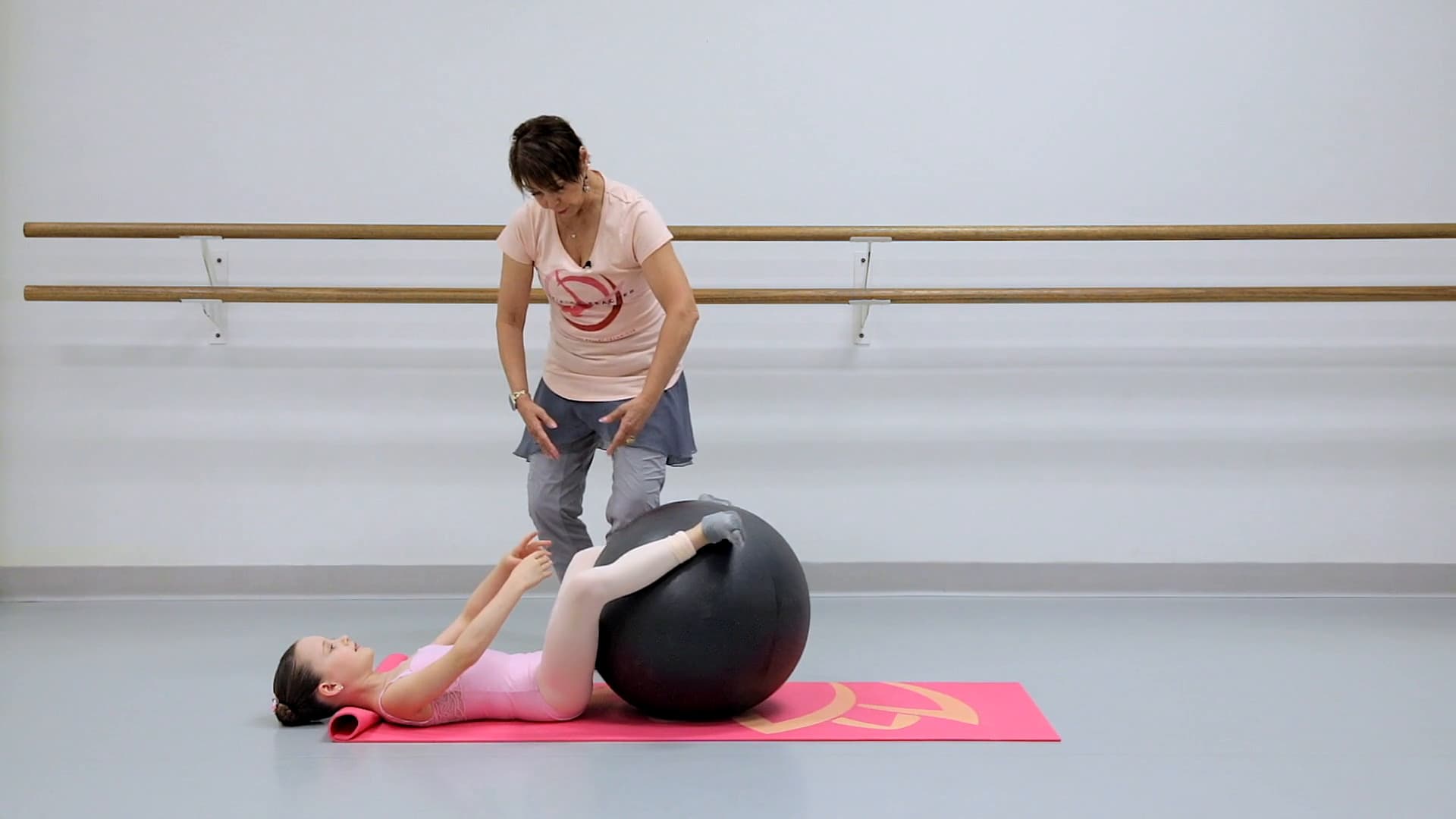
Around the world
 Sub Junior | Core & posture
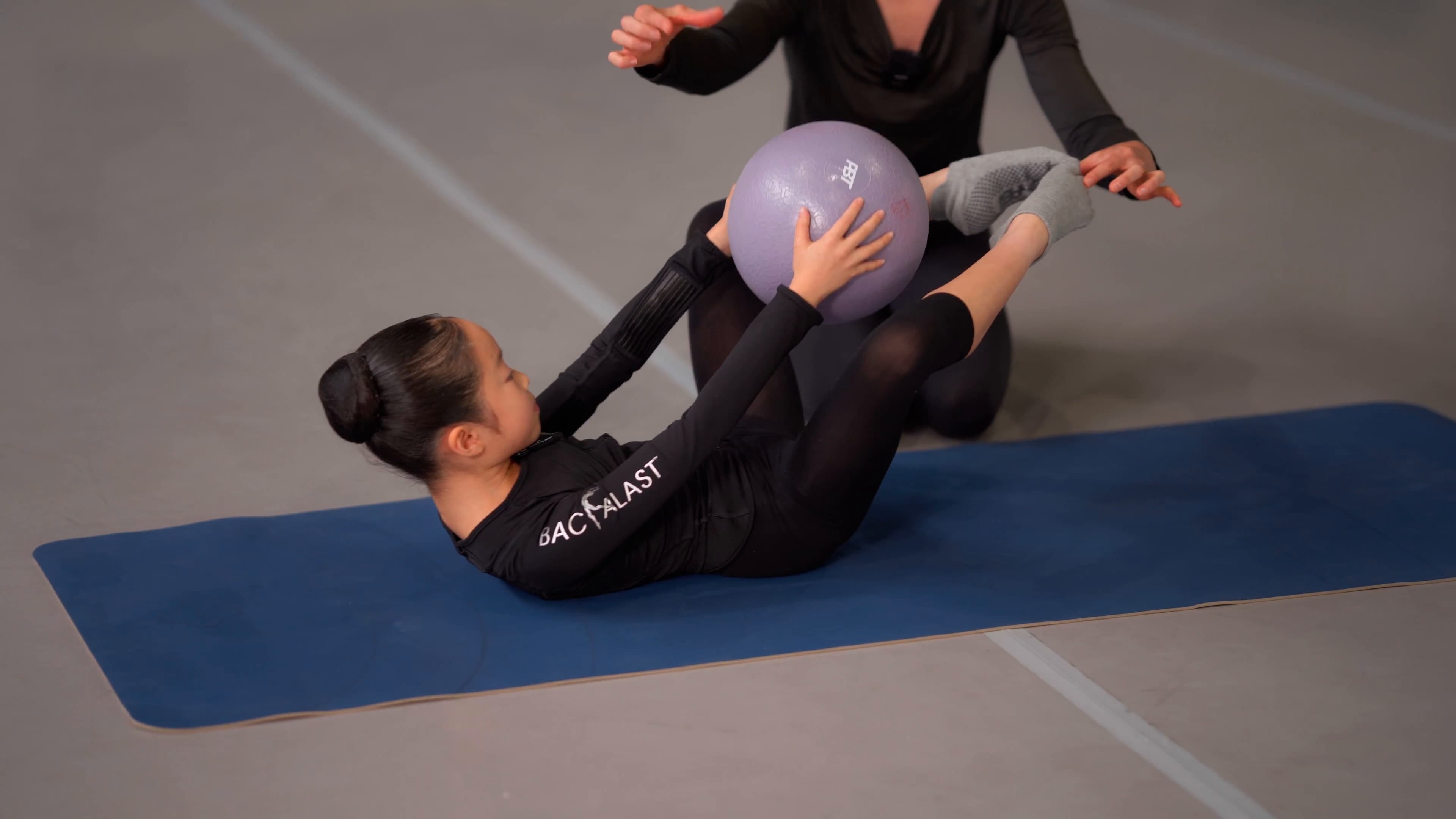
Core with port de bras
 Sub Junior | Core & posture
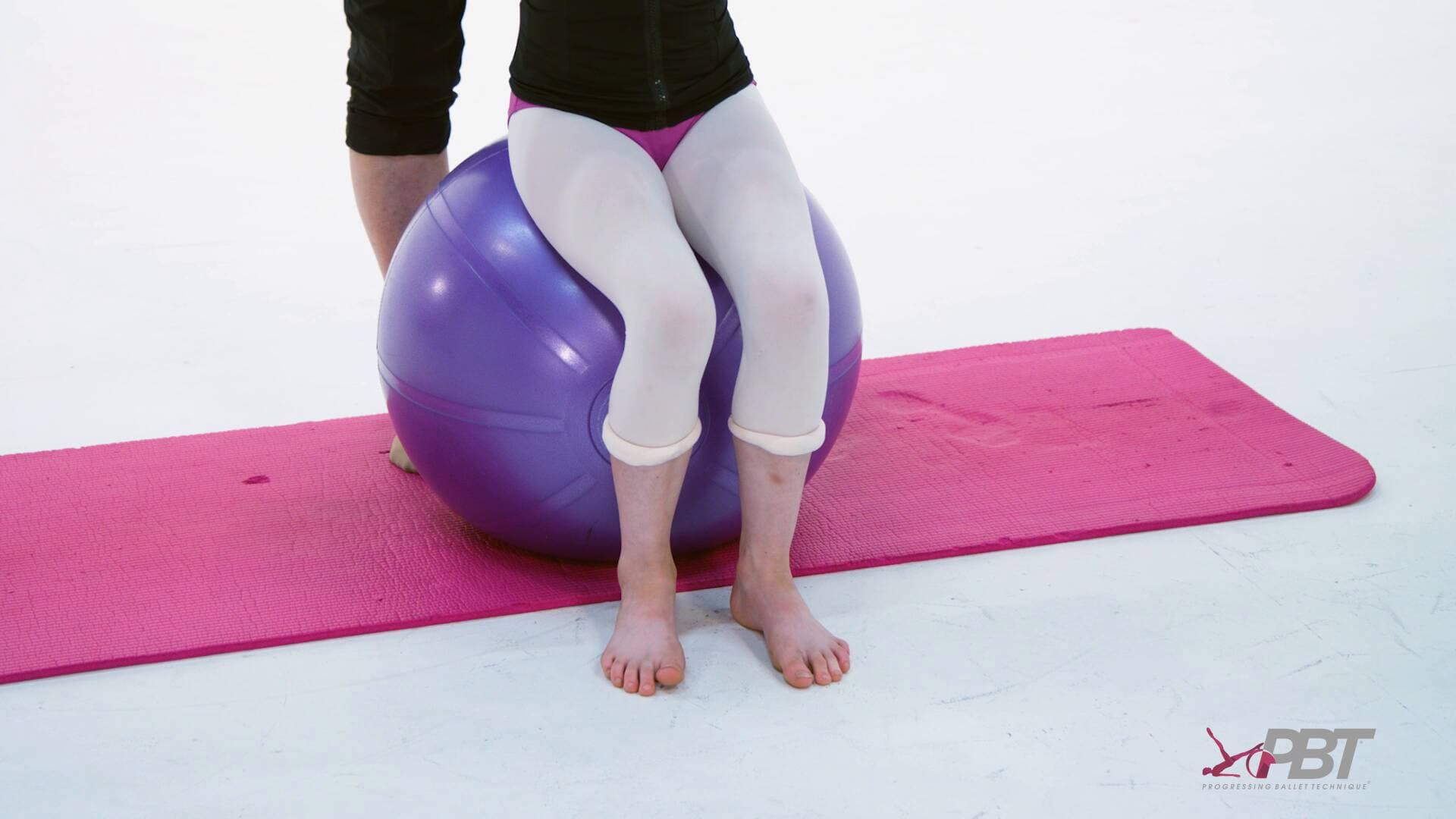
Diamonds with Core
 Sub Junior | Core & posture
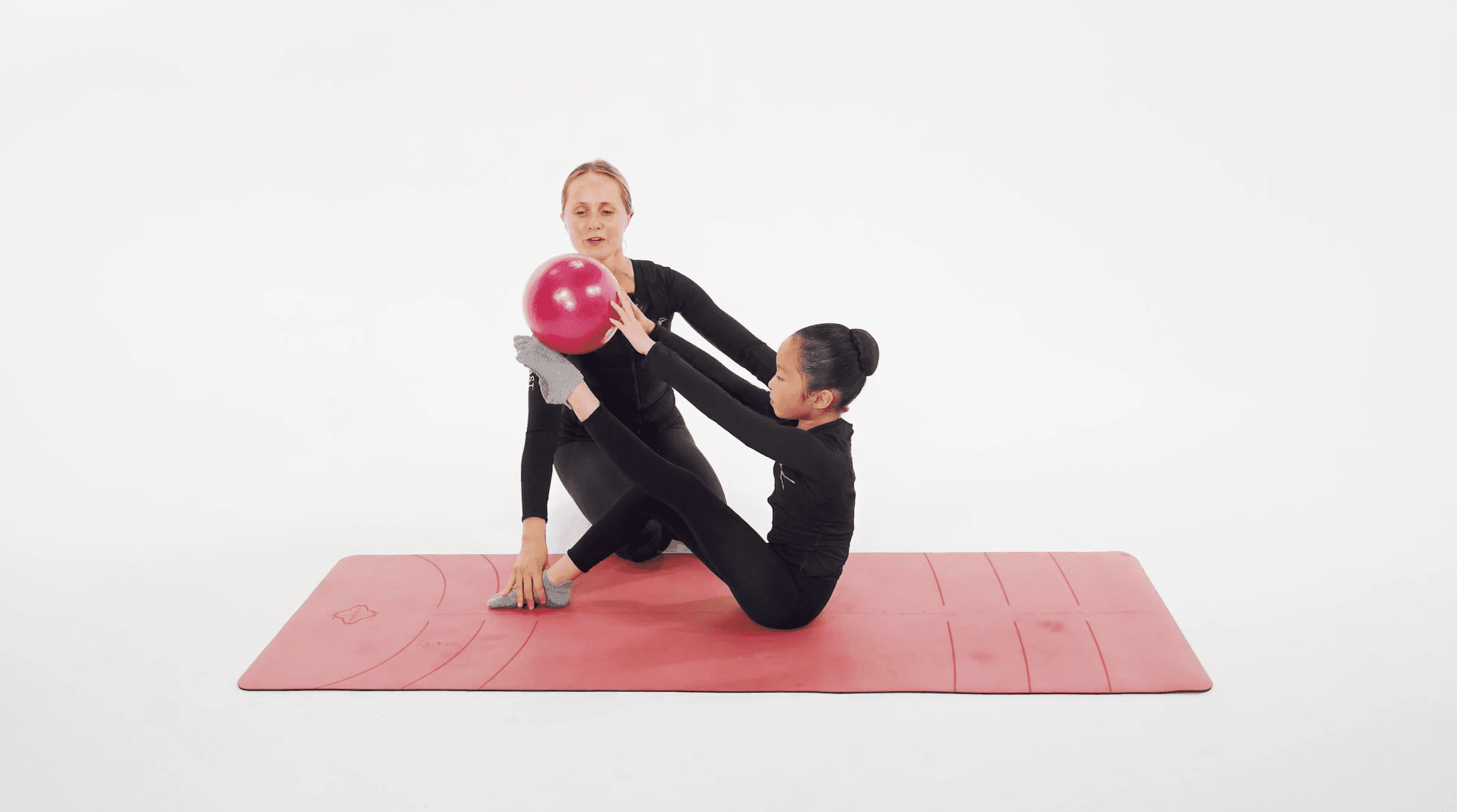
Foundation Posture Check
 Sub Junior | Core & posture
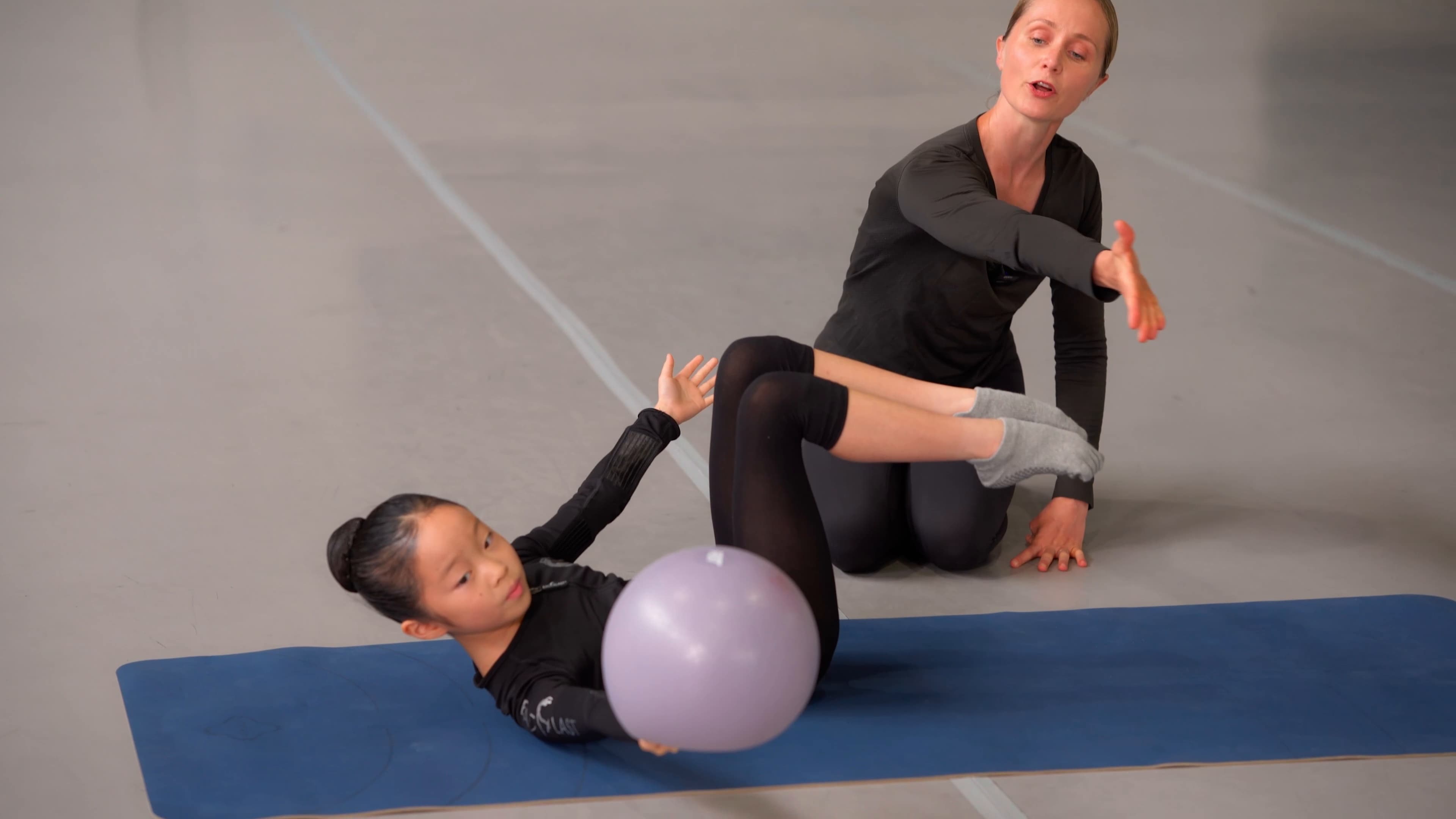
Foundation Roll Ups
 Sub Junior | Core & posture
Around the World Extension
Music Used
Giselle class (Le Bois) | Ballet Class app
Equipment Used

Fusion Ball
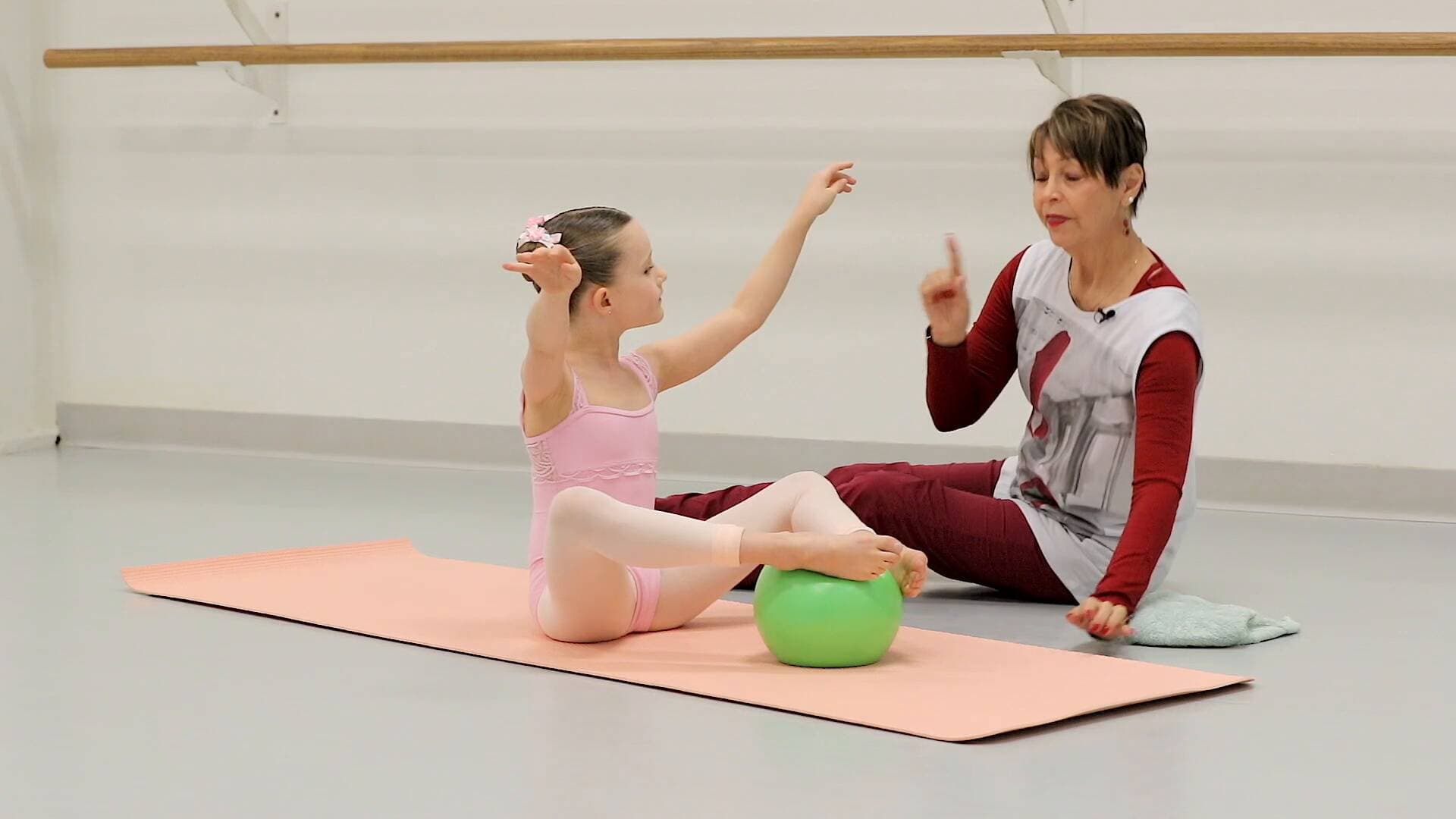
This exercise plays a crucial role in ballet training as it effectively enhances a student’s posture, turnout, and foot alignment. It's designed to help students understand how they align body correctly, a crucial skill in ballet.
Preparation: Instruct your students to sit upright on their mat with their feet positioned on the fusion ball. Encourage them to visualise strings connected to the centre of their head and hips, with a puppeteer gently pulling them upward.
The Fusion ball is placed underneath the students heels if they have no hyperextension in their knees.
The adjustment for hyperextended knees is to adjust the fusion ball underneath their calf muscles.
If a student has tight hip flexors, we suggest to roll a towel up underneath their sit bones to lift the student slightly higher for more comfort.
Steps:
1. They begin by drawing the legs towards the ball and then extending them back out three times. Ensure that they maintain proper posture.
2. Once they feel confident, incorporate a "butterfly" leg opening, after each pull of the legs. Remind them to bring their legs in as far as they can without compromising their good posture.
3. Repeat.
Notes:
1. If a student needs to build up strength, it is okay for them to perform this exercise against a wall initially for additional back support.
2. Emphasise that they should keep their ankles elongated and toes extended throughout the movements while being cautious not to let their heels drop during the butterfly which can result in sickling.
3. Make sure to remind students about the significance of maintaining a straight back and proper alignment of their legs throughout the entire exercise.
Frequently asked questions
Comments and Questions
Sign up to our newsletter
Receive tips, news, and advice.

Copyright © 2025 Progressing Ballet Technique. All Rights Reserved