Bridge training
Sub Junior
Warm up
Share
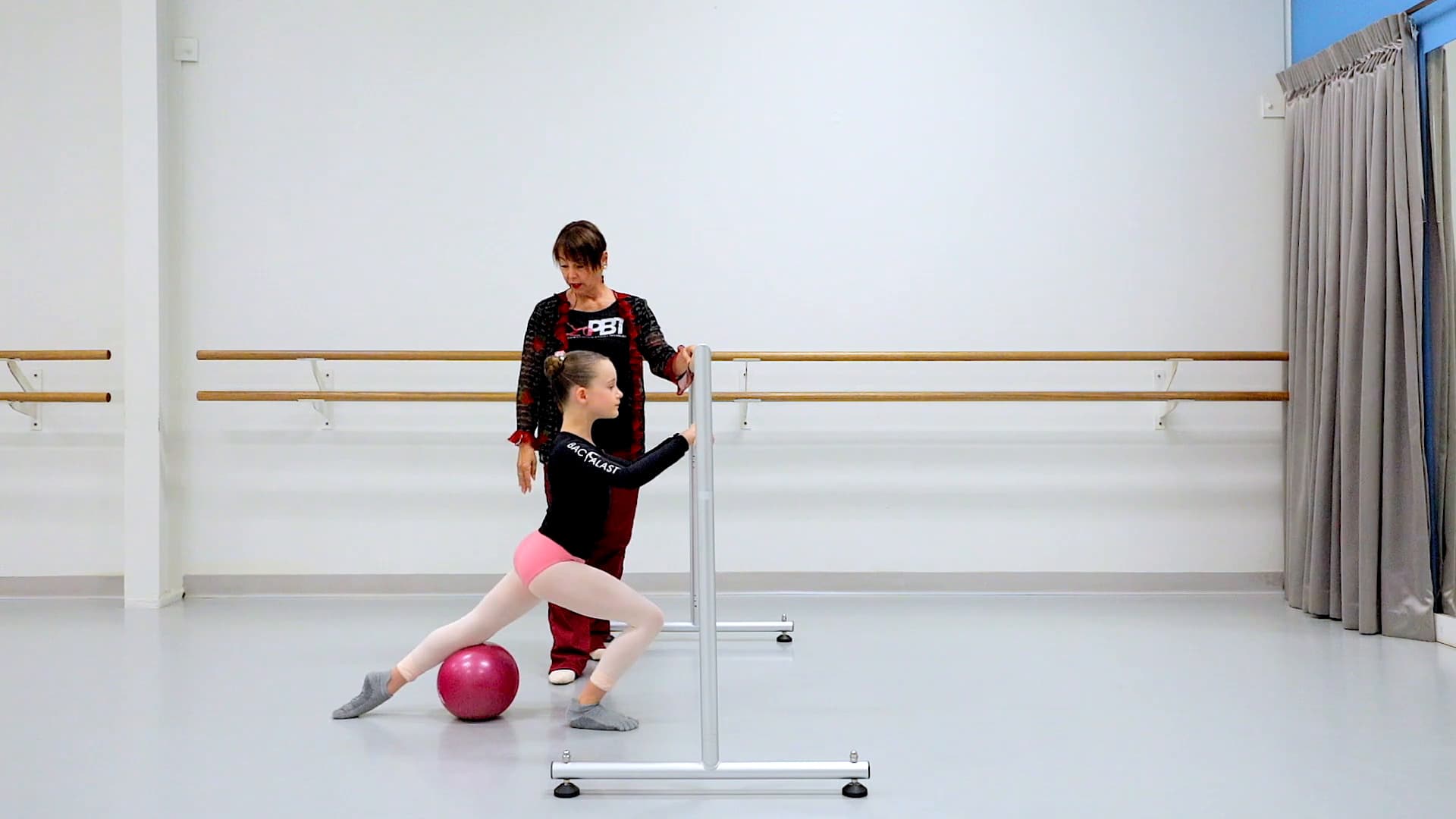 Sub Junior | Warm up
Iliopsoas Conditioning
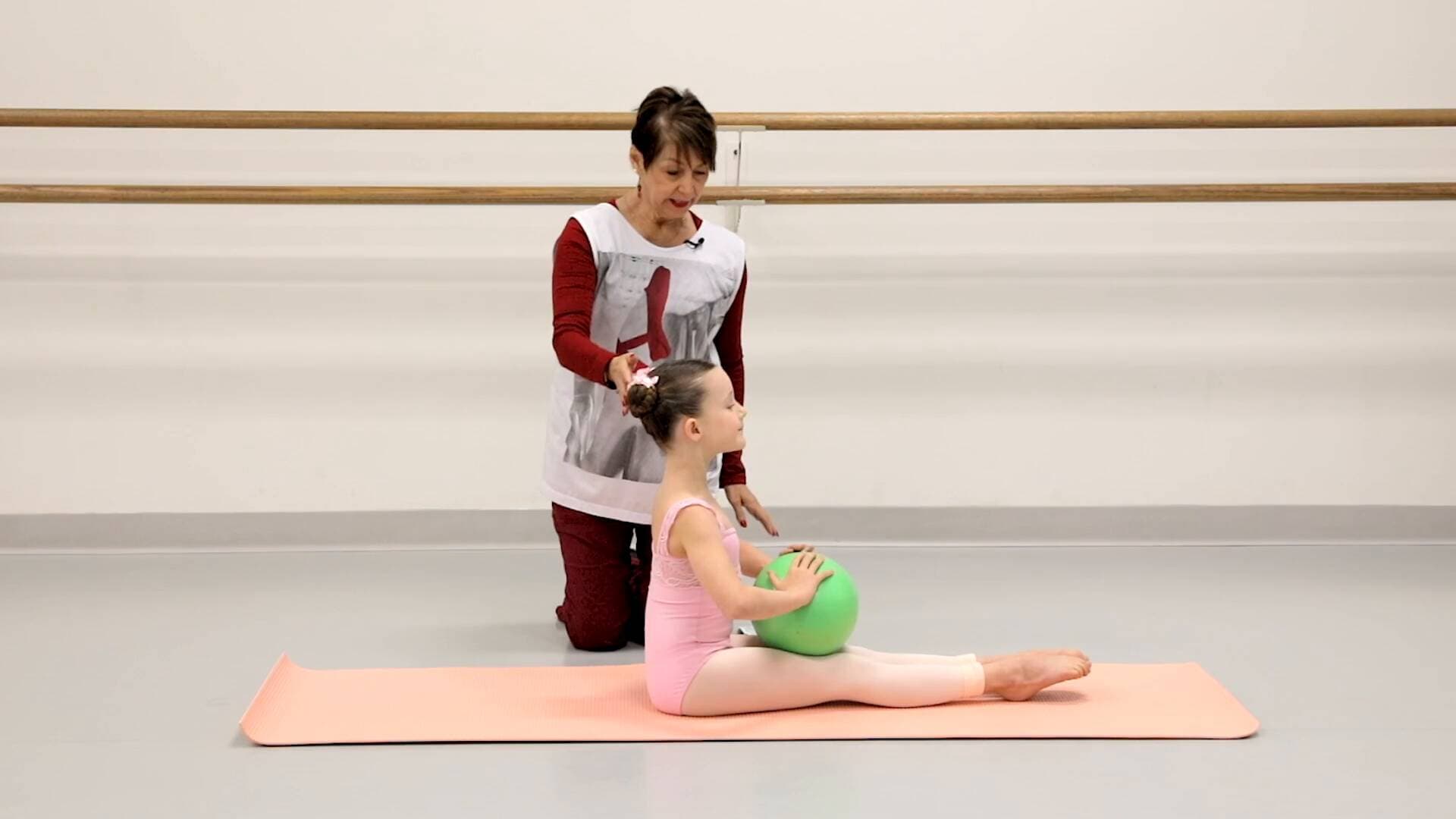 Sub Junior | Warm up
Basic Warm Up
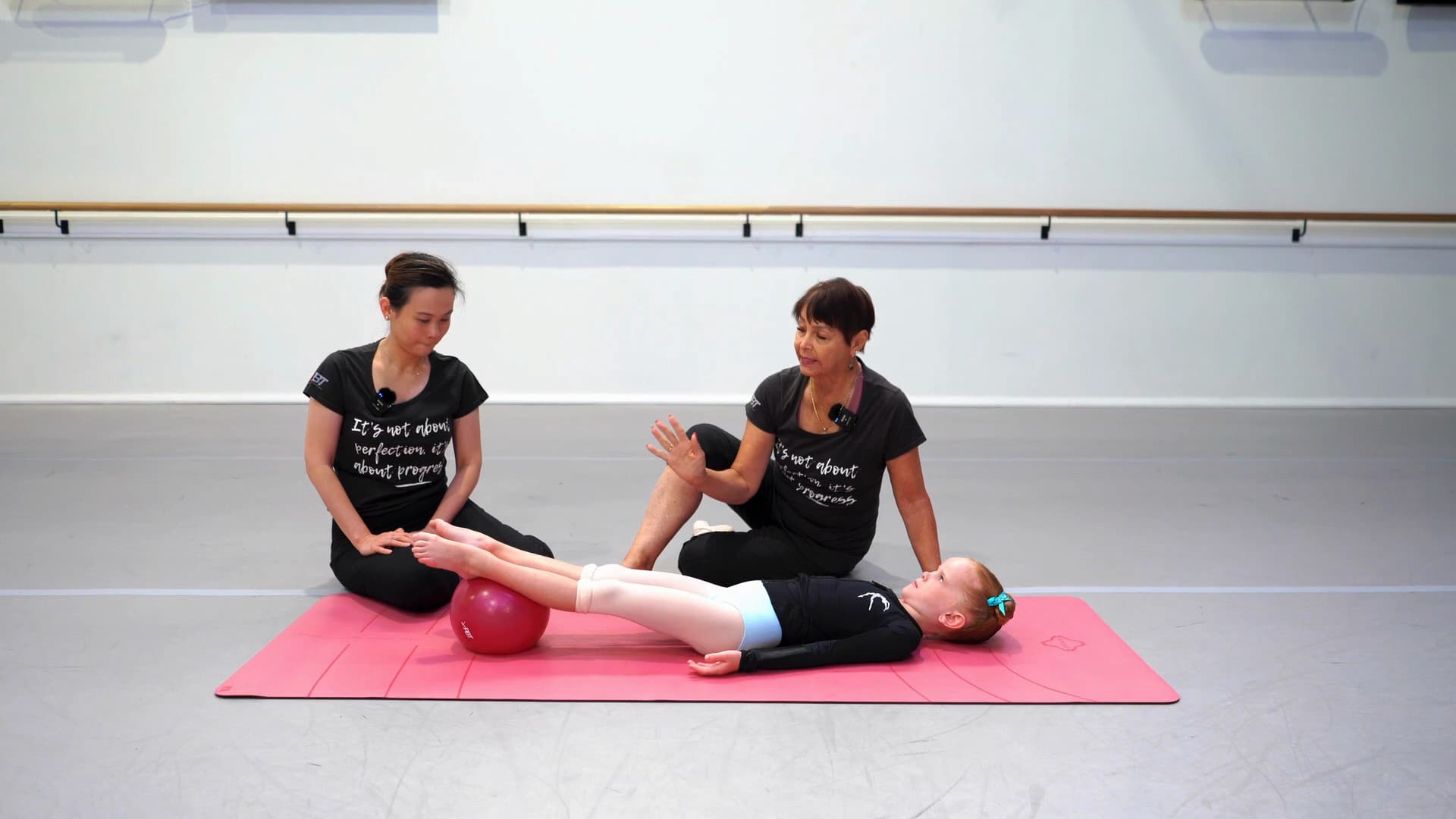 Sub Junior | Warm up
Beginner Plié
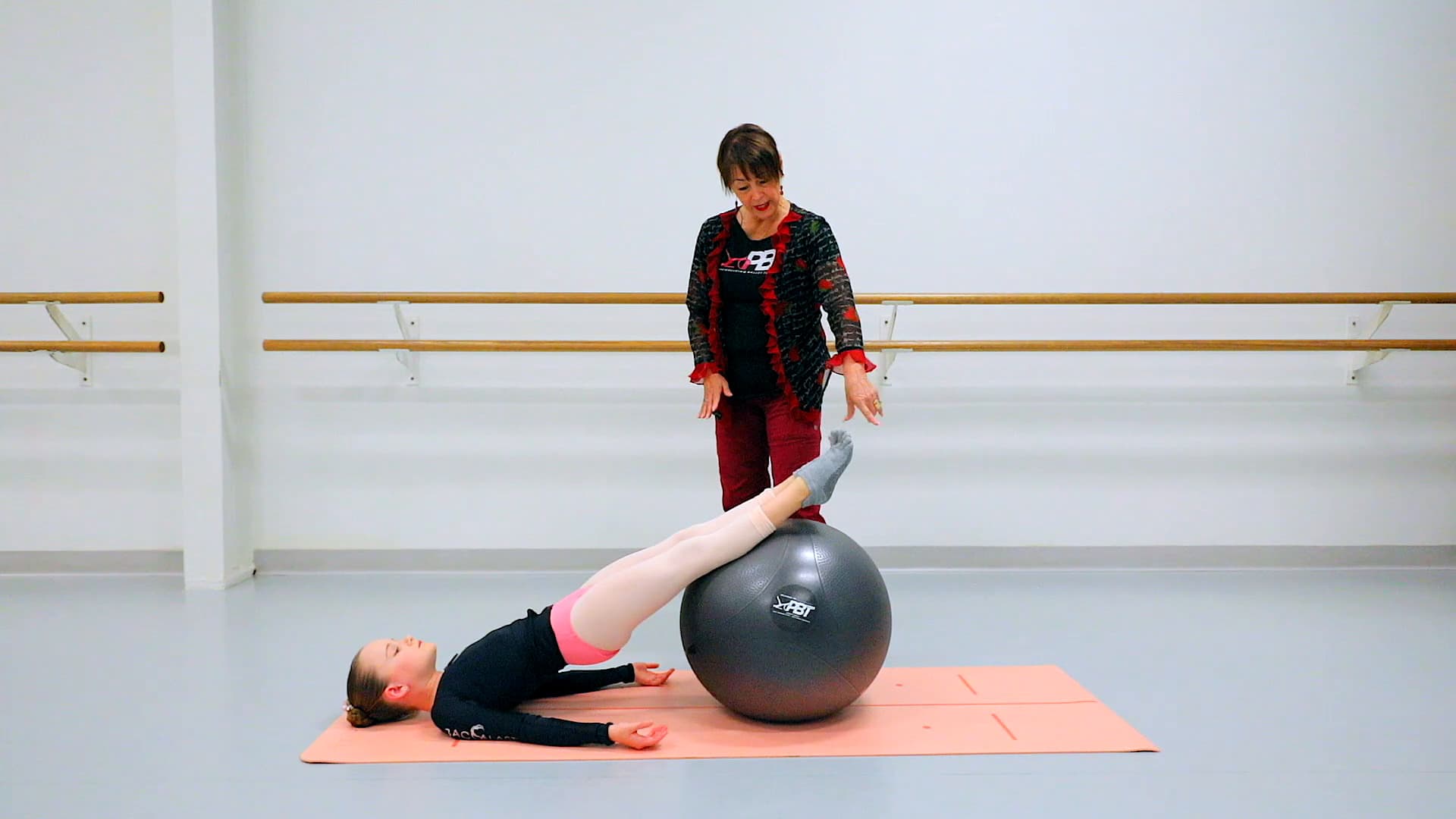 Sub Junior | Warm up
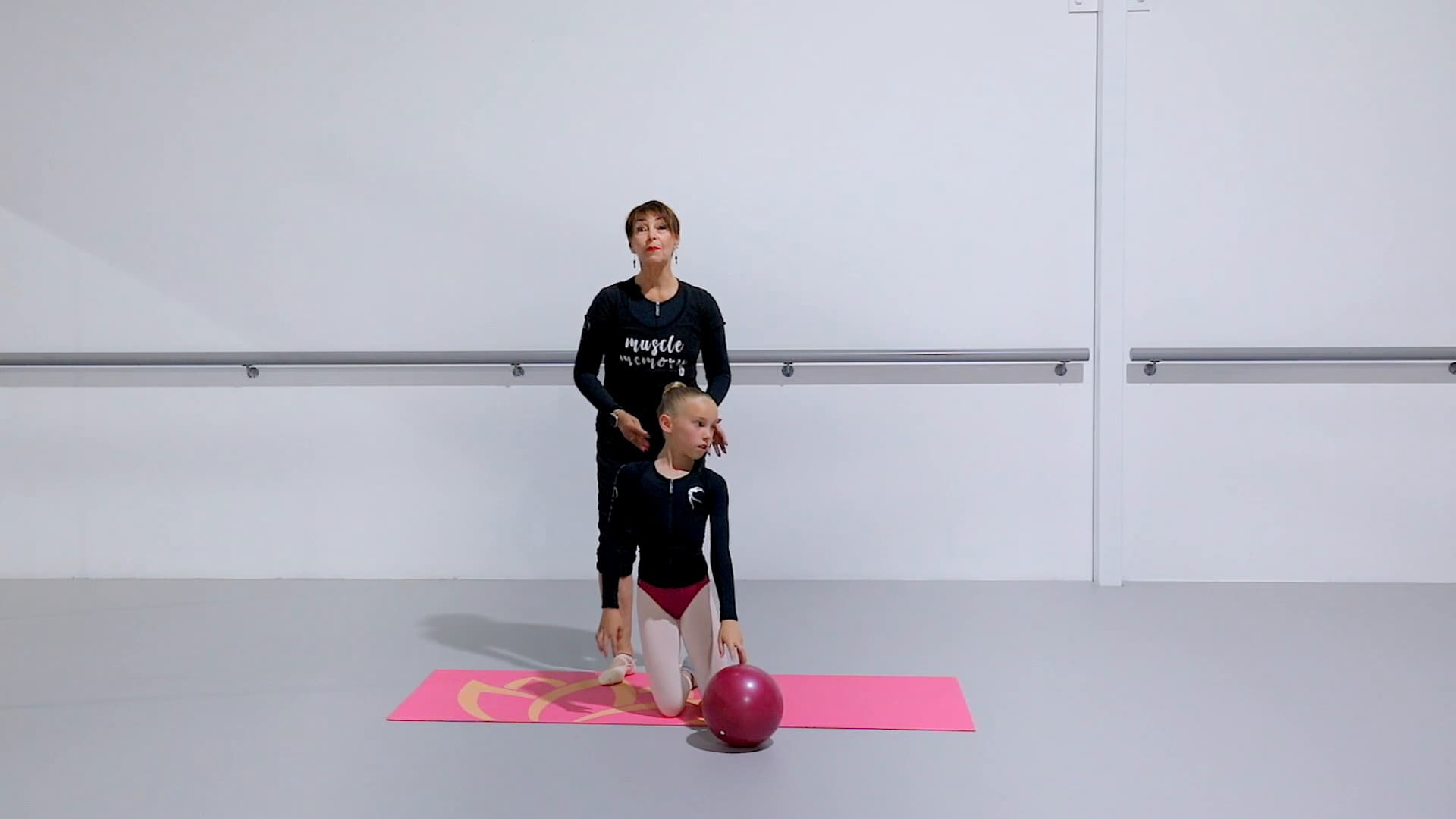
Bridge and paddle feet
 Sub Junior | Warm up
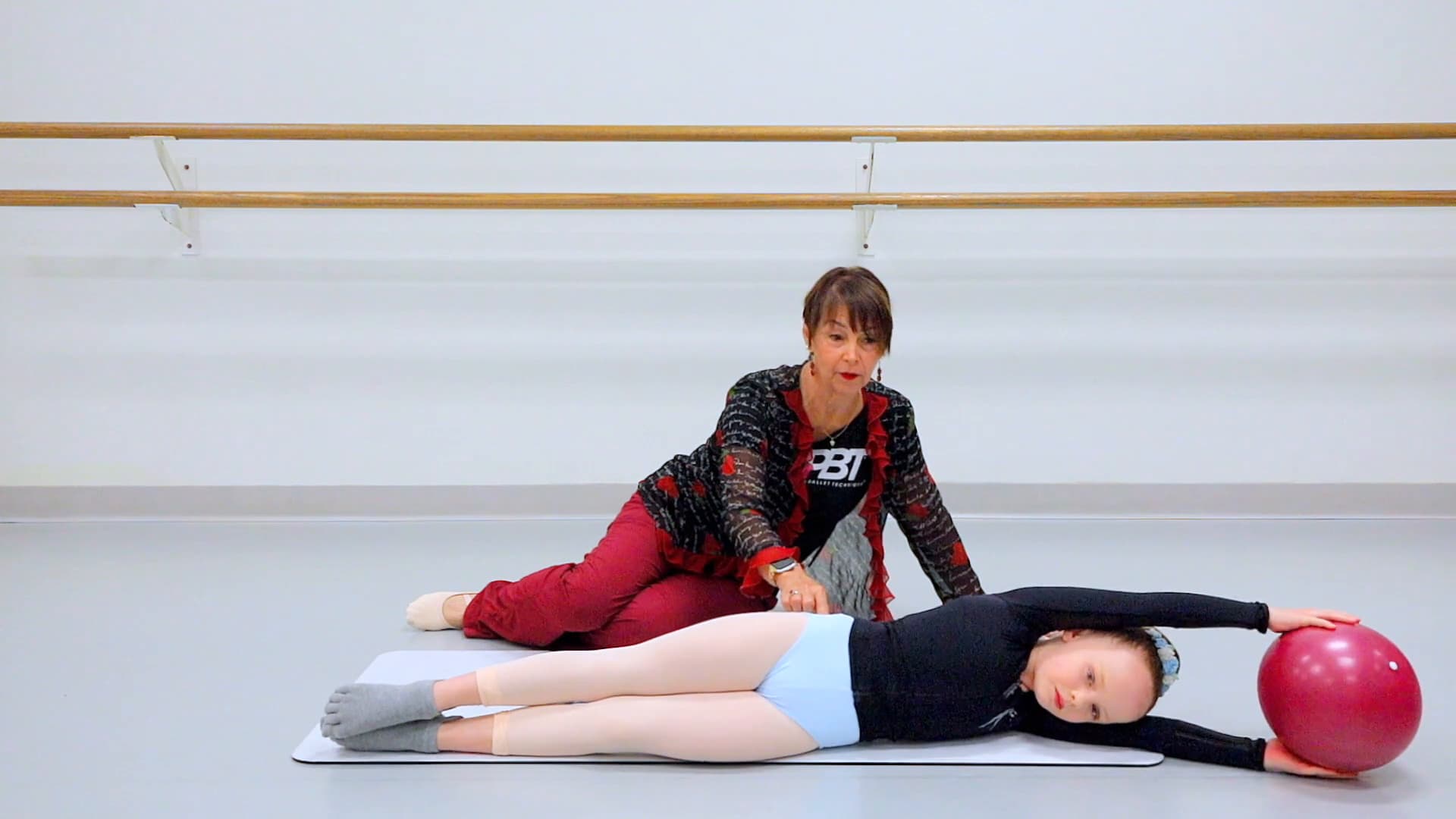
Fusion Ball Warm Up
 Sub Junior | Warm up
Curl & Roll
Music Used
Giselle – La Vision 32 bars | Ballet Class app
Equipment Used

Exercise Ball / Fit Ball
This exercise focuses on developing core strength, pelvis stability and posture all of which are crucial for establishing a connection.
Notes:
1. Commence with the students lying on their back on the mat with the legs bend over the fit ball in a demi plié. The ball must be close to the groin. The legs are externally rotated and the feet in dorsiflexion (flexed).
2. The imagery of zipping a jacket assists with them understanding how to bridge. Ensure when they reach the top of the bridge that the student’s pelvis is aligned with their thighs while keeping their ribs relaxed. The feet adjust during the bridge into plantar flexion (pointed)
3. It is crucial that students transition into the bridge position in a controlled manner. Inhaling through their nose as they bridge, as they arrive at the top of the bridge encourage a deep exhale through the mouth to relax the rib cage. Inhale once more and exhale as they descend through one vertebra at a time.
4. Encourage the students to imagine elongating the top of their head away from their toes when reaching the top of the bridge.
For beginners it will be helpful for them to roll up the end of their mat underneath the neck to make the exercise more manageable.
As students become more confident in the exercise, incorporate the port de bras.
Frequently asked questions
Comments and Questions
Sign up to our newsletter
Receive tips, news, and advice.

Copyright © 2025 Progressing Ballet Technique. All Rights Reserved